Camena Bioscience and Constructive Bio team up in £9.1m project to build synthetic plant genomes
Two UK-based innovators, Camena Bioscience and Constructive Bio, have joined forces in a major synthetic biology collaboration aimed at building fully synthetic chloroplast genomes—a breakthrough that could transform agriculture and sustainable manufacturing.
The project, led by the Max-Planck Institute of Molecular Plant Physiology (MPI-MP) in Germany, brings together world-class expertise from the University of Essex, UC Berkeley, and the two UK companies. Backed by £9.1 million in funding from the Advanced Research + Invention Agency (ARIA), this initiative aims to tackle one of plant science’s toughest challenges: recreating the complex genomes inside chloroplasts.
Why chloroplasts matter
Chloroplasts are the tiny green powerhouses inside plant cells that capture sunlight and convert it into energy. Their genomes—typically 120,000 to 170,000 base pairs long—play a critical role in photosynthesis and plant adaptation. But their size, structural complexity, and repetitive regions have made them notoriously difficult to synthesise and assemble.
Camena and Constructive are bringing complementary technologies to the table: Camena’s enzymatic DNA synthesis platform and Constructive’s large-scale genome assembly toolkit. Together, these capabilities will allow researchers to create highly complex, high-fidelity synthetic chloroplast genomes at scale—a feat previously considered near-impossible.
A leap forward for plant genomics and sustainability
Why is this important? Synthetic chloroplast genomes could enable crops that grow more efficiently in changing climates and allow plants to be reprogrammed as sustainable biofactories for pharmaceuticals, biofuels, and other high-value products.
Industry voices
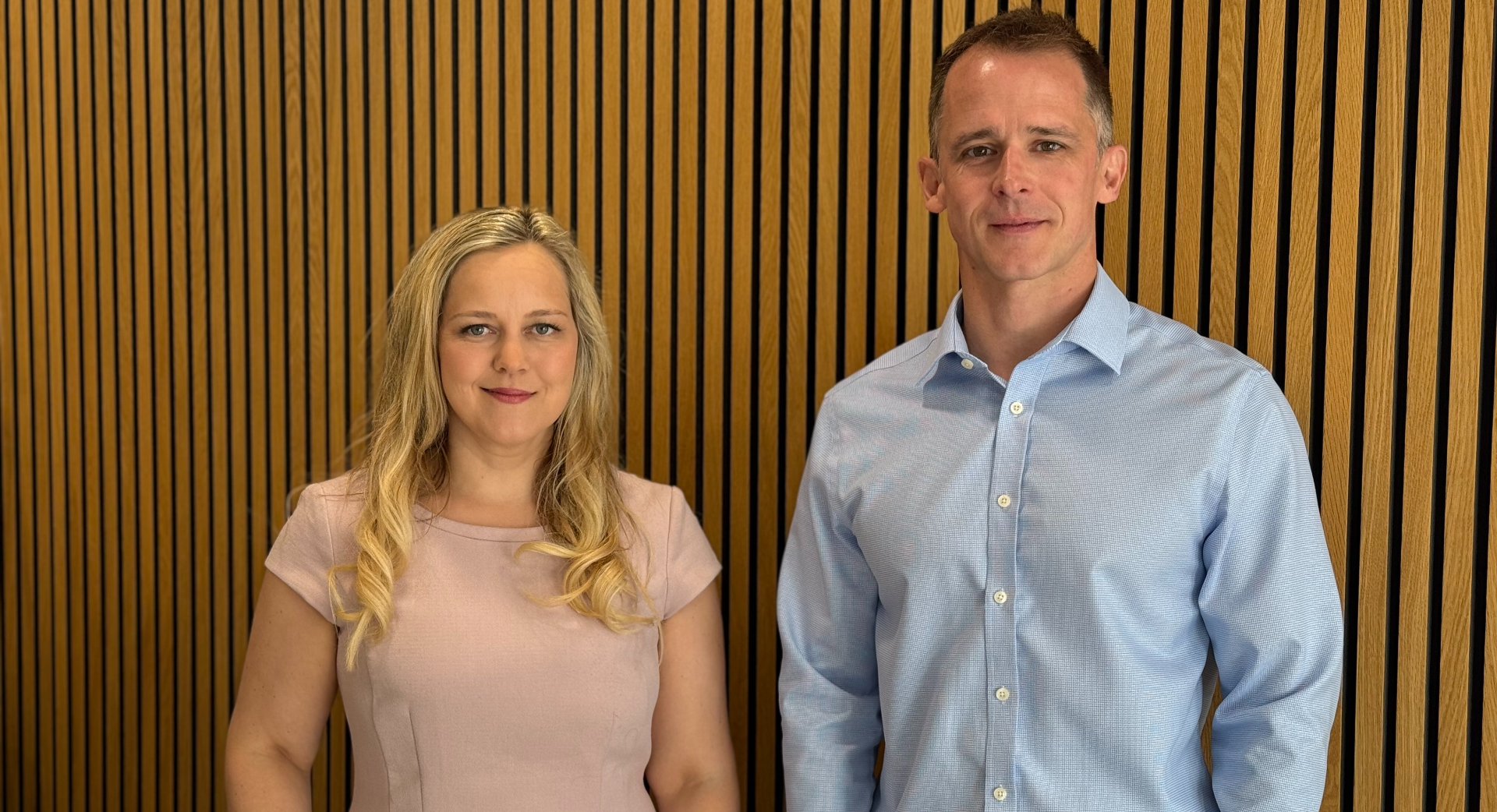
“This collaboration highlights the UK’s leadership in cutting-edge synthetic biology,” said Dr Steve Harvey, CEO of Camena Bioscience.
“By combining Camena’s DNA synthesis strengths with Constructive’s genome assembly expertise, we’re enabling technologies that will drive the future of food security and sustainable innovation.”
Dr Ola Wlodek, CEO of Constructive Bio, added: “Synthetic chloroplasts are a bold step toward a new bioeconomy. By unlocking this level of genetic control, we’re paving the way for scalable biomanufacturing that can reshape entire industries—while aligning with sustainability goals.”
The project is led by Dr. Daniel Dunkelmann at MPI-MP with academic contributions from Pallavi Singh (University of Essex) and Patrick Shih (UC Berkeley).
With ARIA’s backing and a world-class consortium in place, this collaboration could mark the beginning of a new era in plant genomics—one where biology meets design to solve global challenges.