

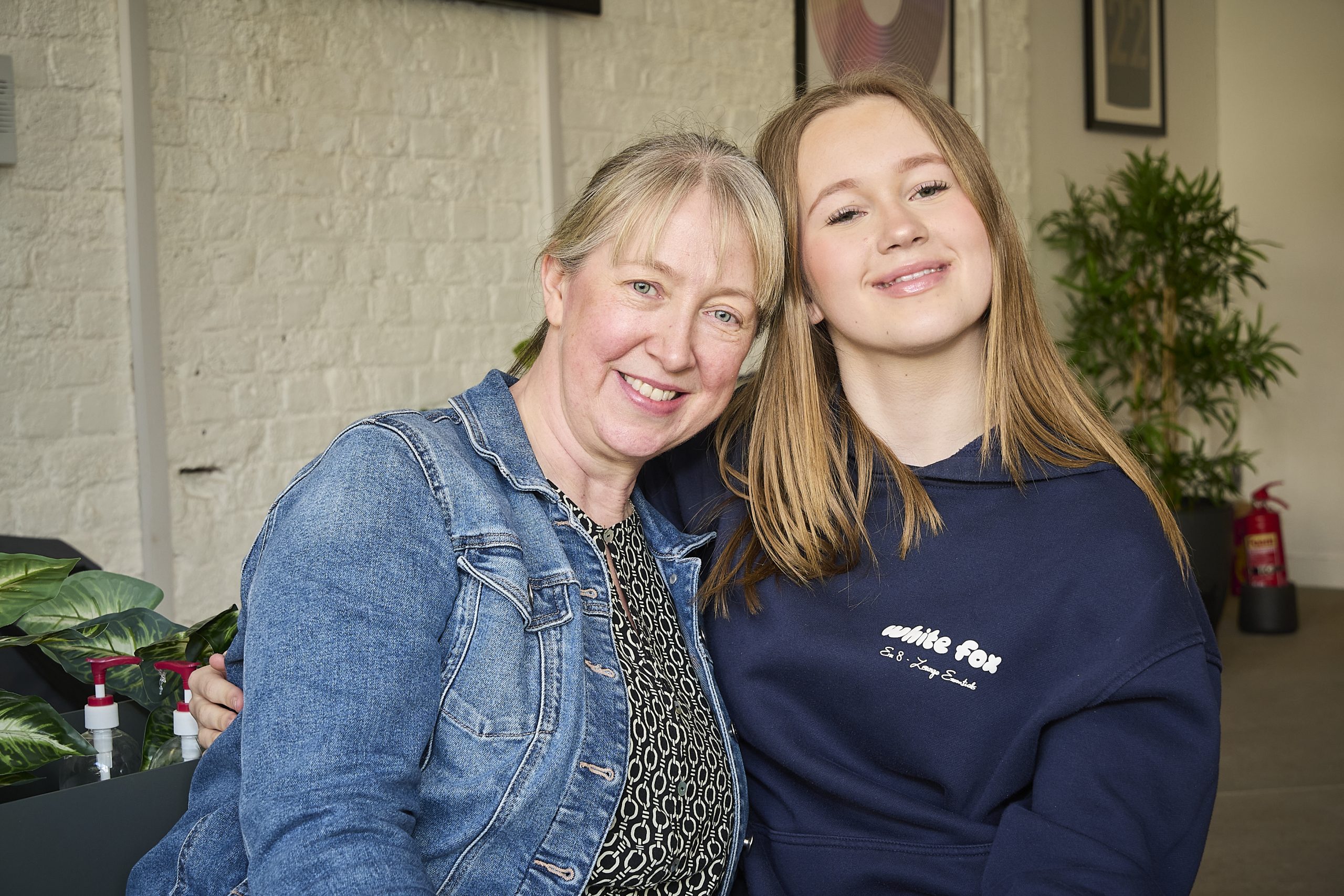
Every day is a balancing act: One Mum’s journey raising a daughter with Type 1 diabetes
This is a disease awareness paid article sponsored by Sanofi.
For Sally Trendell, mornings begin with a familiar routine: checking her daughter Lola Belle’s blood sugar and calculating insulin doses. Each beep of the glucose monitor brings relief or anxiety and sets the tone for the day ahead. “It’s not just about numbers,” Sally says. “It’s about knowing she’s safe when I’m not around, even for a few hours.”
The routine is relentless, but Sally has learned to navigate it with a mix of vigilance and love, adjusting doses, planning meals, and making sure school and activities run smoothly. It’s a rhythm dictated by her daughter’s needs, one that demands constant attention yet that is quietly threaded with hope and resilience. Even on days when Lola Belle is tired or grumpy, Sally feels the weight of responsibility. “Some mornings I feel like I haven’t slept at all, but seeing her smile makes it worth it,” she admits.
School trips, after-school clubs, even simple playdates all require extra planning, careful monitoring, and constant attention. Sally has become adept at anticipating problems before they arise, checking supplies, double-checking doses, and keeping an emergency plan at the ready. It’s a life where small victories, a stable blood sugar reading or a day without a scare, bring enormous relief, and every challenge is met with quiet determination.
Sally recalls the day Lola Belle was diagnosed with type 1 diabetes. “It was overwhelming,” she says. “I remember sitting in the hospital and feeling like our world had turned upside down. There was so much to learn, and I was terrified of making a mistake.” In the early days, every decision felt monumental. Choosing the right insulin dose and learning to count carbohydrates accurately were just the beginning. The learning curve was steep, and the nights were long, filled with interrupted sleep to check on Lola Belle’s glucose levels.
Sally often reflects on how different her family’s journey might have been if her daughter’s type 1 diabetes had been spotted earlier. Research shows that early detection can ease the transition for families, giving them time to access early education, preventing comorbidity associated with late presentation, and reducing diagnosis of DKA. 1,2 It can also mean children start using technology such as continuous glucose monitoring (CGM) or insulin therapy sooner, guided carefully by clinicians.3 Sally takes reassurance from knowing that earlier detection could help other parents face fewer shocks at diagnosis and feel more prepared for the road ahead.
Over time, Sally developed a system. She keeps a meticulously organised kit with spare CGM, test strips, and glucose tablets. She logs readings, notices patterns, and adjusts routines as needed. Despite the endless vigilance, she has found a balance that allows Lola Belle to experience life like any other child. “I want her to run, play, and enjoy being a kid,” Sally explains. “The diabetes has to fit into our lives, not the other way around.”
Meals are carefully planned, but Sally insists they don’t have to be restrictive. “We count carbs and dose accordingly, but we still eat what everyone else eats,” she says. Birthday cakes, school treats, even the occasional slice of pizza are all possible with planning and attention. The challenge is not just in the food but in teaching Lola Belle to understand her body and make choices safely. Sally encourages independence where she can, empowering her daughter while remaining ever-present to step in if needed.
Physical activity is another area that demands careful consideration. From swimming lessons to dance practice, Sally calculates the effects of exercise on Lola Belle’s blood sugar and prepares snacks or insulin adjustments accordingly. She describes it as a constant balancing act. “You have to anticipate lows and highs,” she says. “It’s a lot to think about, but it becomes second nature.”
Sally’s vigilance extends beyond the home. She works closely with teachers and carers to ensure they understand Lola Belle’s needs and can respond appropriately in an emergency. Each person involved in her daughter’s day receives guidance on glucose monitoring, insulin administration, and recognising warning signs. Communication is continuous, as Sally shares updates, answers questions, and reassures those caring for her child.
Social life presents its own set of challenges. Sleepovers, birthday parties, and trips require detailed planning. Sally sometimes feels the isolation that comes with such responsibility, watching other parents relax while she remains alert and prepared. Yet, she also notices how these experiences teach Lola Belle resilience and self-awareness. “She is learning to manage her diabetes confidently,” Sally says. “It’s amazing to see her growing up strong and independent despite the challenges.”
Nighttime brings its own routine. Sally checks Lola Belle’s blood sugar before bed and sets alarms for overnight monitoring if needed. Even during these hours, her mind rarely rests. “Sleep is always punctuated by worry,” she admits. “But it’s manageable because I know I’m doing everything I can to keep her safe.” Despite exhaustion, the bond between mother and daughter deepens. Each night of vigilance reinforces trust, love, and a shared understanding of what living with diabetes means.
The emotional landscape of Sally’s life is complex. Joy and fear often coexist. Moments of laughter and normalcy can be interrupted by unexpected spikes or drops in blood sugar. Sally acknowledges the mental load is heavy. “There are days I feel stretched thin,” she says. “But then she hugs me or says something funny, and it reminds me why I do it all.”
Technology has become a critical ally. Continuous glucose monitors, insulin pumps, and smartphone apps provide real-time data and alerts, reducing some of the anxiety that comes with not knowing. Sally appreciates these tools but remains vigilant. “The technology helps, but it’s not foolproof,” she cautions. “You still have to pay attention, watch for patterns, and respond quickly if something goes wrong.”
Sally’s story also highlights the broader community of parents managing diabetes. She speaks candidly about the importance of support networks, both online and offline. Exchanging tips, sharing experiences, and knowing she is not alone provides emotional relief. “It’s reassuring to hear from other parents who understand exactly what you’re going through,” she says. These connections offer advice, friendship, and practical solutions that make daily management slightly more manageable.
As Lola Belle grows, Sally adapts alongside her. Education, independence, and self-management become increasingly important. Lessons in counting carbs, recognising low or high blood sugar, and handling emergency situations are now part of Lola Belle’s routine. Sally encourages her daughter to take on responsibilities gradually, building confidence while maintaining safety. “I want her to feel capable,” Sally says. “It’s about preparing her for life, not sheltering her from it.”
Despite the constant attention and planning, Sally celebrates the small victories. A day without a hypoglycaemia, a stable reading, or a successful sleepover feels like an achievement. Each milestone reinforces her resilience and determination. “Every day has its challenges, but it also has its rewards,” she reflects. “The highs and lows teach both of us patience, courage, and appreciation for the simple moments.”
Sally Trendell’s life is a testament to dedication, love, and adaptability. She navigates the complexities of diabetes management with calm determination, always centred on her daughter’s safety and well-being. Through meticulous planning, constant vigilance, and a deep understanding of her child’s needs, she ensures that Lola Belle Trendell can live a full, joyful childhood. “It’s not easy,” Sally says. “But seeing her happy, healthy, and thriving makes every effort worthwhile.”
Job code: MAT-XU-2503923 (v1.0) DOP: November 2025
References:
- Narendran P., Screening for type 1 diabetes: are we nearly there yet? Diabetologia 2019; 62(1): 24-27.
- Rikos N, et al. Quality of life and psychological burden of parents of children, adolescents, and young adults with type 1 diabetes: A cross-sectional study during the lockdown period of COVID-19. Nurs Rep. 2022;12(3): 564-573.
- Mathew TK, Zubair M, Tadi P. Blood Glucose Monitoring. StatPearls Publishing. 2023. Available at: https://www.ncbi.nlm.nih.gov/books/NBK555976/.(Last accessed: October 2025)


