Xeltis completes first commercial implant of aXess haemodialysis device
Xeltis has completed the first commercial implantation of its aXess vascular access device for haemodialysis, marking the start of the product’s European rollout following CE marking.
The first commercial patient was treated by Dr Dominik Liebetrau at Artemed Klinikum Munich South in Germany.
aXess is designed to provide long-term vascular access for patients requiring haemodialysis. Implanted in a single procedure, the device acts as a scaffold before gradually being replaced by the patient’s own tissue through the body’s natural regenerative processes.
The commercial launch follows positive 12-month data from the company’s European pivotal trial. According to Xeltis, the study demonstrated secondary patency comparable with mature arteriovenous fistulas, together with lower reintervention rates and greater resistance to infection than historical arteriovenous graft benchmarks.
Dr Dominik Liebetrau, head of vascular surgery at Artemed Klinikum Munich South, said: “aXess integrated seamlessly into our existing surgical workflow, making adoption straightforward for our team. It offers a fundamentally new approach to vascular access – providing an implant that is designed to transform into the patient’s own living vessel. This provides physicians with a valuable new option for patients requiring long-term hemodialysis access and has the potential to improve treatment outcomes and quality of life.”
The company said the launch marks the beginning of a broader European rollout, making the device available to more treatment centres and patients requiring long-term vascular access.
Eliane Schutte, chief executive officer of Xeltis, said: “The first commercial implantation of aXess marks the transition from clinical development into routine patient care. It is an important milestone for Xeltis and the beginning of our European commercial launch, bringing a new treatment option to patients and physicians, while building the foundation for broader adoption across Europe and, ultimately, the U.S.”
Alongside the European rollout, Xeltis continues enrolment in its US pivotal trial of aXess, which the company said has now exceeded 50% recruitment. The study is intended to support future regulatory submissions and broader commercialisation of the device.
Peter Schneider, member of the medical advisory board at Xeltis, said: “This is the first time we have access to a non-autologous conduit designed to become the patient’s own vessel over time through vascular cell in-growth and tissue regeneration, ultimately behaving more like an autologous vessel. This approach has the potential to address a significant unmet need in vascular access by combining fast availability for cannulation with the long-term benefits of a living vessel.”
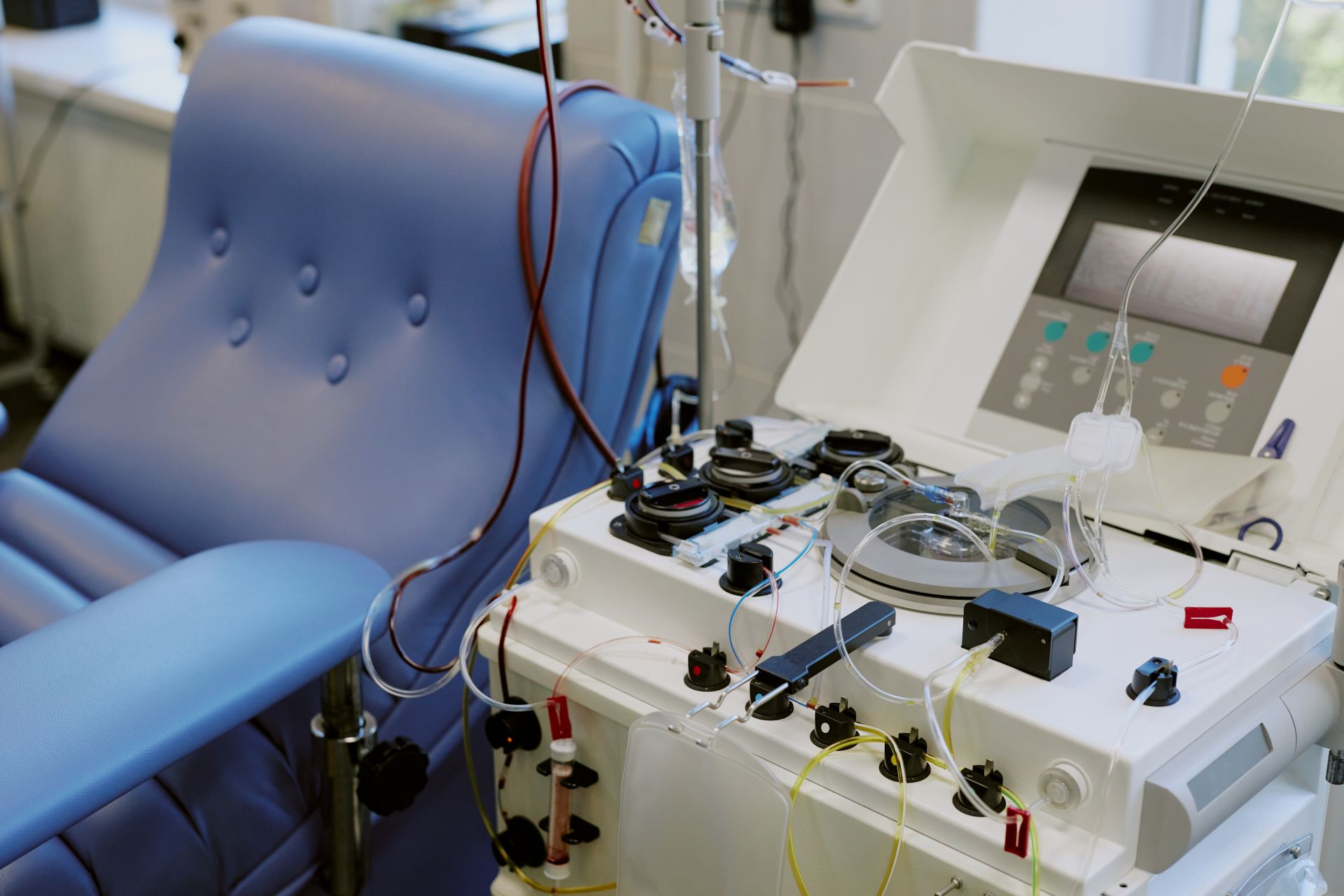
Patients receiving haemodialysis require reliable vascular access several times a week, with current treatment options including arteriovenous fistulas and synthetic grafts. Xeltis is positioning aXess as an alternative designed to provide immediate access while encouraging the formation of living tissue over time.
A surgeon implanting a vascular access device, the aXess device itself, or a clinical image from the first commercial implantation at Artemed Klinikum Munich South.