Sheba, Mount Sinai and NVIDIA launch AI collaboration to decode unexplored regions of the human genome
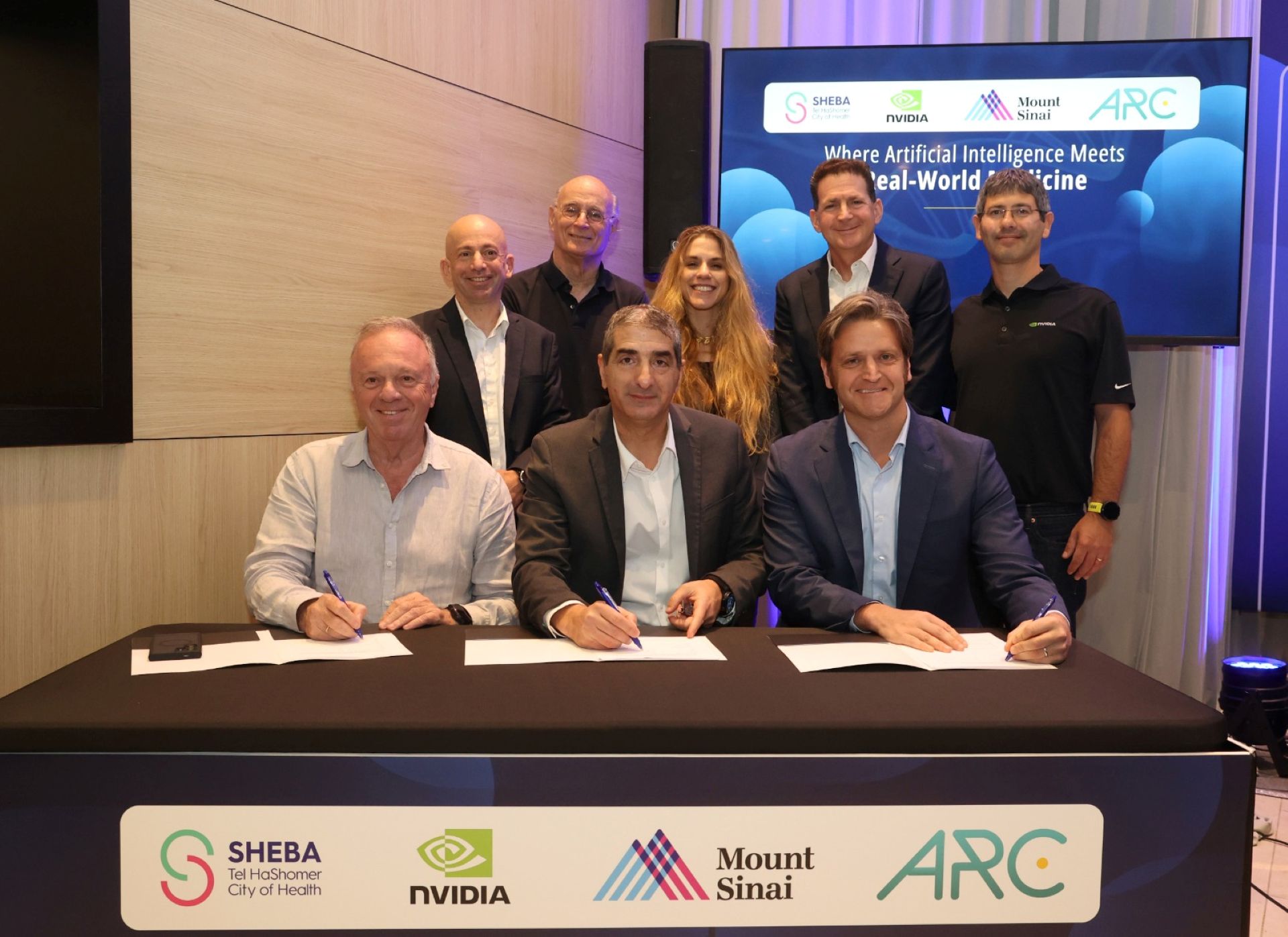
ARC Innovation at Sheba Medical Center and the Icahn School of Medicine at Mount Sinai have launched a three-year collaboration with NVIDIA to apply large language models to the 98 percent of the human genome that remains poorly understood. The partnership, supported by investment from all three organisations, will build an AI-driven discovery platform aimed at identifying regulatory patterns that influence disease risk and response to treatment.
The groups will pool genomic datasets, computational infrastructure and scientific expertise to create what they describe as a new type of genomic research engine. Sheba and Mount Sinai will contribute clinical insight and extensive sequencing resources, while NVIDIA will provide its full-stack AI architecture and tools. The ambition is to develop a genomic foundation model capable of analysing vast non-coding regions that have long been difficult to interpret using traditional approaches.
Researchers said the initiative reflects mounting evidence that non-coding DNA contains regulatory elements central to human biology. Prof Gidi Rechavi, who initiated the project, said: “While approximately two percent of the human genome has been thoroughly characterised, the remaining 98 percent, which was once labeled junk DNA, is increasingly recognised as containing critical regulatory and functional elements.” Much of his broader argument focuses on the variability seen in individual genomes and the need for models that can infer how this variation contributes to disease susceptibility and future therapeutic opportunities.
Clinicians at Mount Sinai said the collaboration could help move whole genome sequencing from research into routine care. Alexander Charney noted that bringing advanced AI into genomic research is a step towards precision medicine at scale, adding that “we’re moving closer to making personalised, precision medicine a reality for all.”
NVIDIA’s research team highlighted the potential for an AI-led approach to unify geneticists, clinicians and computational scientists. In their words: “AI has the power to unlock the secrets of the human genome and transform healthcare for billions of people worldwide.” The partners said a genomic foundation model could enable new ways to link non-coding regions to disease mechanisms.
At Mount Sinai, the work will sit within the Million Health Discoveries Programme, which combines genomics, AI and clinical translation. Leaders at the institution said the collaboration demonstrates how global partnerships can accelerate discovery. Eric Nestler said the project is unlocking new possibilities to decode genome regions that have been inaccessible until now.
Sheba framed the initiative as part of a broader push to build international alliances in health innovation. ARC director Eyal Zimlichman and Sheba Impact chief executive officer Avner Halperin said the project unites “three global powerhouses to push the boundaries of what’s possible in medicine”, arguing that only a combined effort across science, clinical care and computation can solve challenges at the core of human biology.
The team will initially focus on diseases where complex genetics has slowed progress, using the platform to analyse interactions across thousands of genomic regions. The project is supported by scientists at Sheba’s cancer research centre, the laboratories division and the ARC Innovation team, whose preparatory work made the collaboration possible.
Joint research groups from all three organisations have started building a shared computational environment that will be open to scientists and clinicians worldwide. The partners said it will provide the foundations for discovering regulatory mechanisms, identifying therapeutic targets and advancing precision medicine.