Hearing aids linked to lower dementia risk in adults with epilepsy
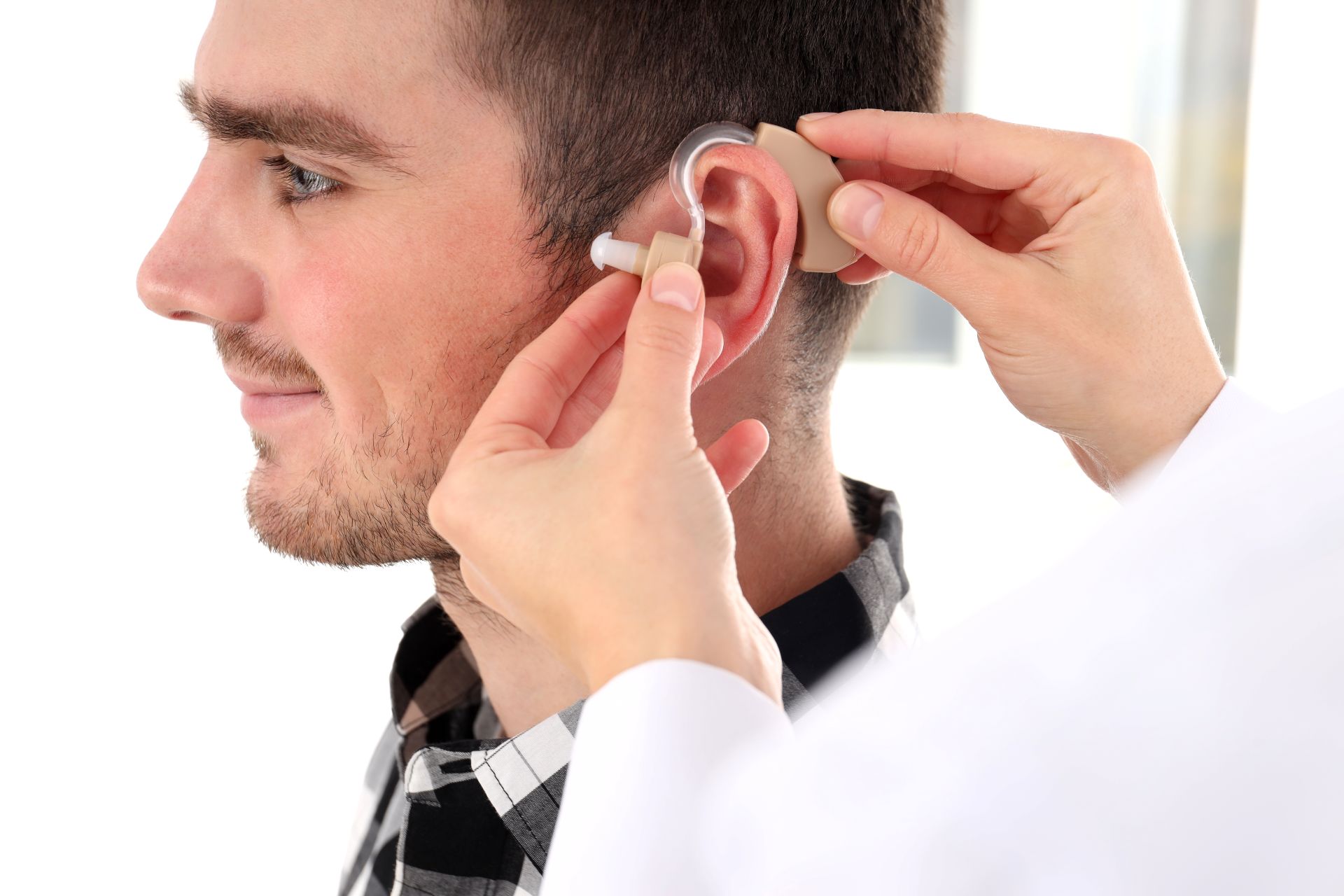
Adults with epilepsy and hearing loss who use hearing aids may have a lower risk of developing dementia, research presented at the European Academy of Neurology Congress 2026 suggests.
Researchers found hearing aid use was associated with a 23% lower risk of dementia among adults with both epilepsy and hearing loss, while no significant association was seen in other patient groups.
The findings, presented at the European Academy of Neurology Congress 2026, are based on an analysis of electronic health records from more than 250 million patients in the TriNetX network by researchers at University Hospital Zurich and the University of Liverpool.
Hearing loss is recognised as the largest modifiable risk factor for dementia, but whether hearing aids reduce the risk of developing the condition has remained uncertain.
To investigate, researchers compared adults with hearing loss who used hearing aids with closely matched adults who did not. They also examined outcomes in people living with epilepsy, stroke, type 2 diabetes, chronic kidney disease, heart failure, migraine and osteoarthritis.
No significant association between hearing aid use and dementia risk was identified in the overall population with hearing loss or in any of the disease groups studied except epilepsy.
Among adults with both epilepsy and hearing loss, however, hearing aid use was associated with a 23% lower risk of developing dementia over five years. The researchers calculated this represented an absolute risk reduction of 2.7 percentage points, equivalent to one fewer case of dementia for every 37 people using hearing aids.
The team believes differences in cognitive reserve may help explain why the benefit appeared only in people with epilepsy. Cognitive reserve refers to the brain’s ability to continue functioning despite ageing or disease-related damage.
Lead author Dr Carolina Ferreira-Atuesta said: “Most people with hearing loss have enough cognitive reserve to absorb the extra effort caused by hearing impairment, so correcting it may not have a large effect on dementia risk. Epilepsy is different because cognitive reserve is often already reduced, meaning that removing one additional source of strain may have a greater impact.”
The researchers suggest epilepsy may increase vulnerability because the condition is associated with accelerated cognitive decline. They also note that temporal lobe epilepsy affects areas of the brain involved in hearing, while some anti-seizure medicines may contribute to hearing problems.
Dr Ferreira-Atuesta added: “There are several biologically plausible reasons why we might see this effect in epilepsy. The condition is associated with accelerated cognitive decline, temporal lobe epilepsy affects areas of the brain involved in hearing and some anti-seizure medications may worsen hearing.”
The findings suggest hearing assessments could become a more routine part of epilepsy care. As many people with epilepsy already have regular contact with healthcare services, researchers believe screening for hearing loss could help identify patients who may benefit from hearing aids while further studies investigate whether improving hearing can reduce dementia risk.
Because the findings were presented at a scientific congress, additional peer-reviewed studies will be needed to confirm the association and determine whether hearing aid use directly contributes to reducing dementia risk in people with epilepsy.