
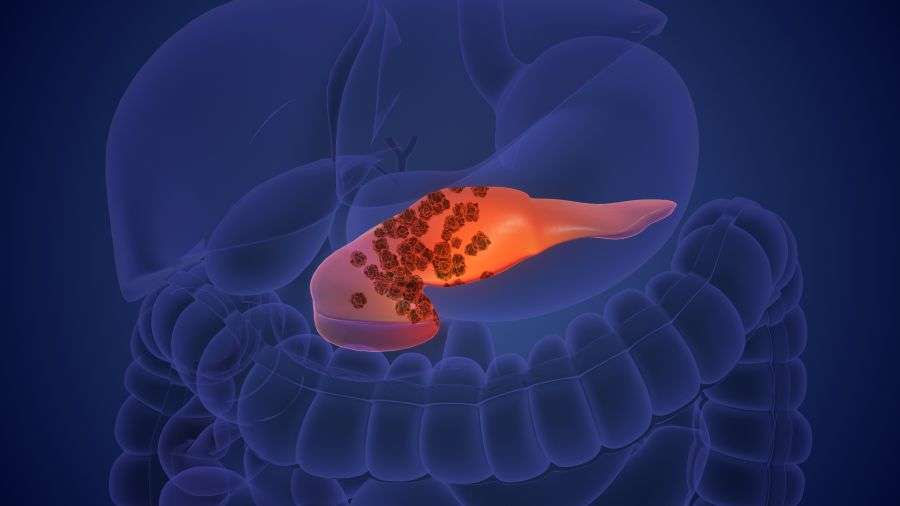
EU approves daraxonrasib for metastatic pancreatic cancer
The European Commission has approved Revolution Medicines’ daraxonrasib for previously treated metastatic pancreatic cancer, following positive Phase 3 results showing improved survival compared with chemotherapy.
The once-daily oral medicine, marketed as Rasonque, is authorised as a monotherapy for adults with metastatic pancreatic adenocarcinoma who have received at least one prior systemic therapy. The indication includes patients with and without an identified RAS tumour mutation.
The approval covers all European Union member states, as well as Iceland, Norway and Liechtenstein. However, patient access will depend on individual countries completing pricing, health technology assessment and reimbursement processes. The authorisation does not extend to the UK or Switzerland, which have separate regulatory approval procedures.
The European Commission decision follows a positive opinion from the European Medicines Agency’s (EMA) Committee for Medicinal Products for Human Use (CHMP), following an expedited phased review under the Cancer Medicines Pathfinder project.
Phase 3 trial demonstrates survival benefit
The approval is based on results from the Phase 3 RASolute 302 trial, which compared daraxonrasib with investigator-selected chemotherapy in 500 patients with previously treated metastatic pancreatic ductal adenocarcinoma (PDAC).
The global, randomised trial met its primary and key secondary endpoints in both patients with RAS G12 mutations and the overall population, which included patients with and without identified RAS mutations.
In the overall population, median overall survival was 13.2 months among patients receiving daraxonrasib, compared with 6.7 months in those receiving chemotherapy. The hazard ratio was 0.40.
Median progression-free survival was 7.2 months with daraxonrasib versus 3.6 months with chemotherapy.
The objective response rate was 31.6% in the daraxonrasib group, compared with 11.2% among patients receiving chemotherapy.
The findings were presented at the 2026 American Society of Clinical Oncology (ASCO) Annual Meeting and published in The New England Journal of Medicine.
Broad RAS targeting approach
Daraxonrasib is an oral RAS(ON) multi-selective, non-covalent tri-complex inhibitor designed to target the active state of RAS proteins involved in cancer growth.
RAS signalling is a key driver of pancreatic cancer, with mutations in RAS genes frequently contributing to tumour development and progression.
The approval is notable because it includes patients without an identified RAS tumour mutation, extending the treatment indication beyond a specific mutation-defined population.
Thomas Seufferlein, medical director of the Clinic for Internal Medicine I at Ulm University Hospital, said: “For decades, physicians treating metastatic pancreatic cancer have had limited options beyond cytotoxic chemotherapy, underscoring the urgent need for new therapeutic approaches.”
He added: “The European Commission’s approval of daraxonrasib represents an important advance for patients with this aggressive and difficult-to-treat disease. The unprecedented survival benefit demonstrated in the RASolute 302 clinical trial underscores the potential of daraxonrasib to establish a new standard of care for eligible patients with metastatic pancreatic cancer across the European Union.”
Access and further development
Revolution Medicines is working with European healthcare systems and reimbursement bodies to support patient access following the marketing authorisation.
The company is also investigating daraxonrasib in additional global Phase 3 registrational trials involving pancreatic ductal adenocarcinoma and metastatic RAS-mutant non-small cell lung cancer.
The most common adverse reactions reported in patients receiving daraxonrasib included diarrhoea, affecting 63.1% of patients, acneiform dermatitis (62.4%), stomatitis (55.5%), nausea (50.8%), vomiting (41.6%) and fatigue (33.2%).
The most common severe adverse reactions included stomatitis, diarrhoea and acneiform dermatitis.
Revolution Medicines is a commercial-stage oncology company developing medicines targeting RAS-driven cancers.