

AAVantgarde completes enrollment in LUCE-1 Phase 1 and Phase 2 trial of gene therapy AAVB-081 for Usher syndrome type 1B
AAVantgarde Bio has completed enrollment in LUCE-1, a first-in-human Phase 1 and Phase 2 clinical trial evaluating its investigational gene therapy AAVB-081 in patients with retinitis pigmentosa associated with Usher syndrome type 1B.
The study is assessing the safety, tolerability and preliminary efficacy of a single subretinal administration of AAVB-081, a dual-AAV gene therapy designed to address mutations in the MYO7A gene, which are responsible for Usher syndrome type 1B. According to the company, LUCE-1 enrolled 15 adult participants aged between 18 and 60 years.
LUCE-1 is a multicentre, open-label, dose-escalation and expansion study being conducted at specialist ophthalmology centres. The trial is evaluating multiple dose levels of AAVB-081 and represents the first clinical evaluation of AAVantgarde’s dual-AAV hybrid platform in patients.
AAVB-081 is designed to overcome one of the key technical challenges in gene therapy for Usher syndrome type 1B, namely the size of the MYO7A gene, which is too large to fit into a single standard AAV vector. The dual-AAV approach delivers the gene in two parts, which then recombine within the cell nucleus to produce a functional protein.
Natalia Misciattelli, ceo of AAVantgarde, said: “Completing enrollment in the LUCE-1 study represents an important milestone in the clinical development of AAVB-081.” She added: “We are grateful to the patients, investigators and clinical site staff whose commitment has enabled the rapid advancement of this program toward generating meaningful clinical data for individuals living with Usher syndrome type 1B.”
The final patient has now been dosed, allowing the study to progress into follow-up and data collection. Investigators will assess safety outcomes alongside exploratory measures of visual function to inform subsequent development decisions.
Michaelides from Moorfields Eye Hospital highlighted the importance of the study for patients and families affected by the condition. He said: “Dosing the final patient in the LUCE Phase 1 and Phase 2 study marks a significant milestone for this programme and for the patients and families affected by this devastating inherited retinal condition.” He added: “Early-phase clinical research is where scientific innovation begins to translate into realworld impact, and LUCE represents an important step toward the development of a potential disease-modifying therapy.”
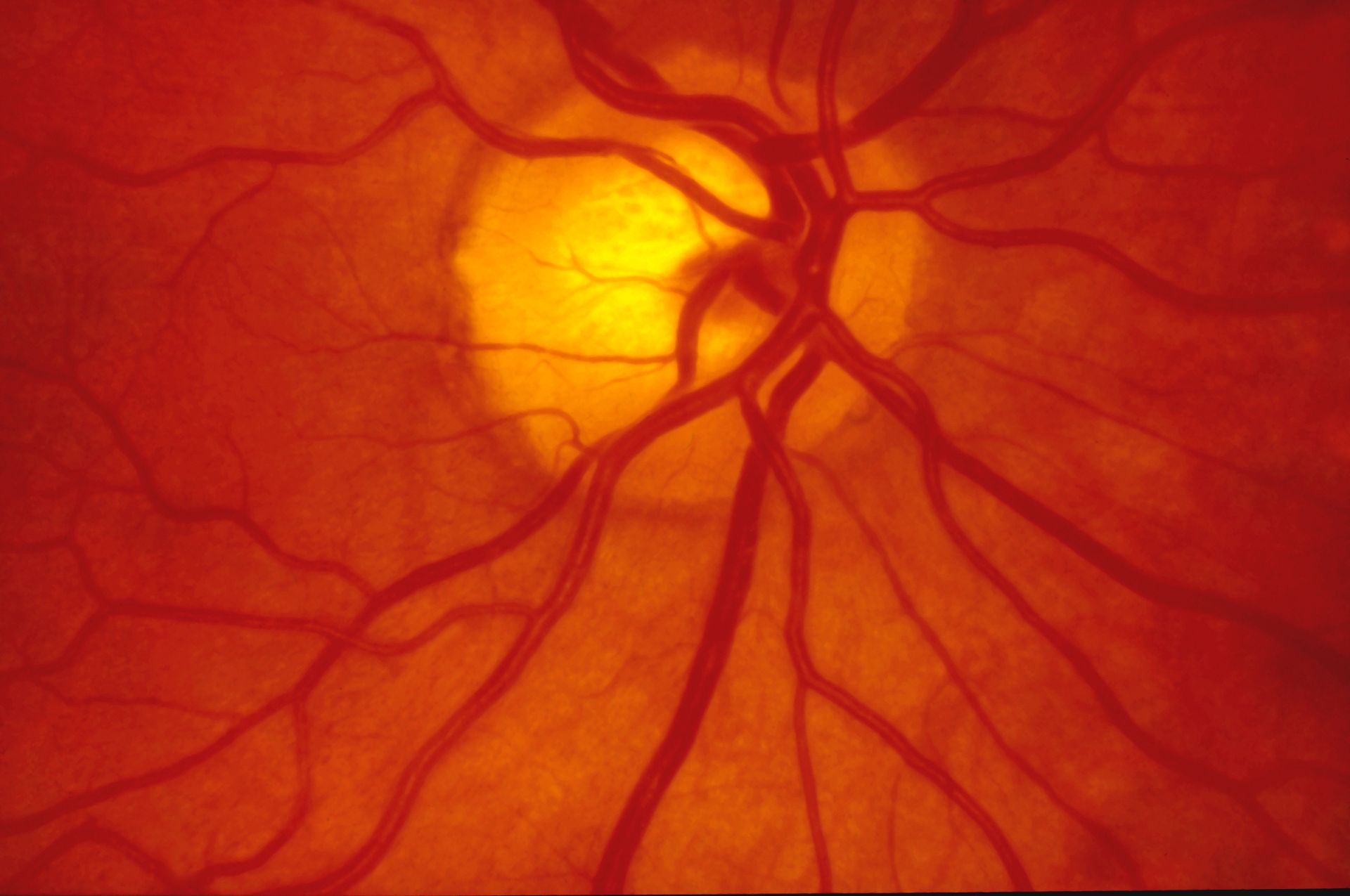
Usher syndrome type 1B is a rare inherited condition affecting both hearing and vision. Patients are born with profound hearing loss, experience vestibular dysfunction and develop progressive vision loss in early childhood due to retinitis pigmentosa. While surgical interventions can address hearing loss, there are currently no approved treatments to slow or prevent vision loss in these patients.
AAVantgarde is also advancing a second clinical programme targeting Stargardt disease, another inherited retinal disorder with no approved treatments. The company is currently recruiting patients into the Celeste study, which is evaluating AAVB-039, a dual-AAV intein-based gene therapy targeting mutations in the ABCA4 gene.
Both programmes are based on AAVantgarde’s dual-AAV technology platforms, which are designed to enable gene therapy approaches for large genes that exceed the packaging capacity of conventional AAV vectors. The company said it expects to provide further updates on both LUCE-1 and Celeste during 2026.
With enrollment now complete, LUCE-1 moves AAVantgarde into a critical phase of clinical development as it works to generate first-in-human data for AAVB-081 in Usher syndrome type 1B.


