Anthropic AI protein designs undergo large-scale experimental validation
Anthropic’s Claude AI models generated protein binders against 15 targets, with 1,320 designs subsequently assessed using high-throughput surface plasmon resonance platforms.
AI moves into protein design
Anthropic’s Claude AI models have been used to autonomously design protein binders against 15 challenging biological targets, with experimental testing showing the potential of AI-driven protein design to accelerate early drug discovery.
The study, released by Anthropic on August 18, involved AI models researching targets, selecting epitopes, running open-source protein design tools and producing ranked designs without human input into individual design decisions.
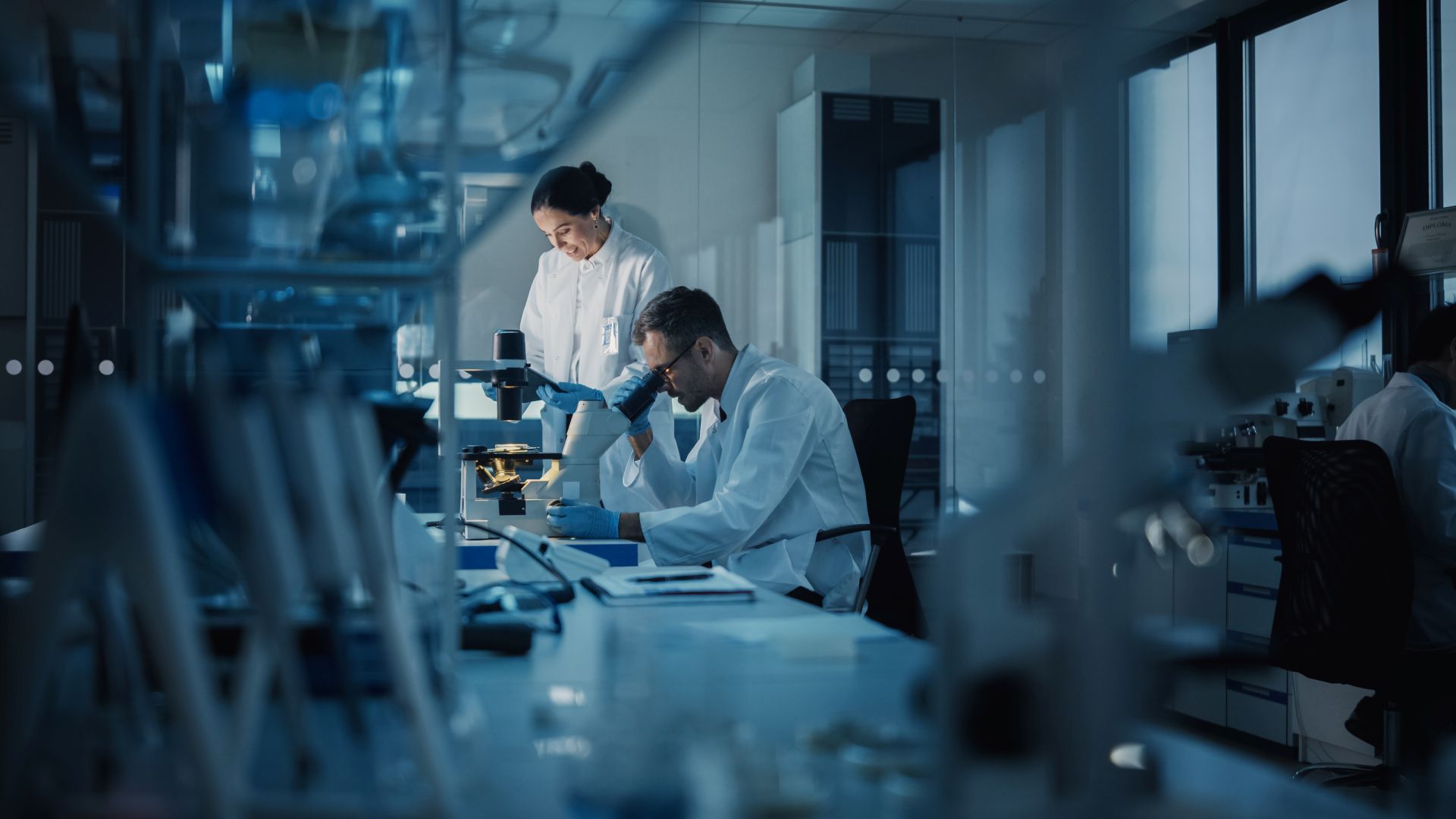
The resulting protein designs were sent to Twist Bioscience and Adaptyv Bio for experimental analysis. The companies used Carterra high-throughput surface plasmon resonance (HT-SPR) platforms to assess 1,320 protein binders and generate binding affinity and kinetics data.
Protein binder design is an early stage of many drug discovery programmes, but the ability to generate large numbers of designs computationally creates a corresponding requirement for experimental testing.
The researchers reported that the AI-generated designs produced functional binders, with hit rates exceeding those achieved by previous methods. The designs were generated within days, shifting some of the bottleneck in the discovery process from computational design towards laboratory validation.
High-throughput testing
HT-SPR was used to measure binding interactions between the AI-designed proteins and their targets at scale.
In one comparison, Anthropic’s strongest RBX1 binder produced a binding affinity of 3.9 nM, compared with 45 nM for a previous winner from an open protein design competition. The two designs were assessed on the same array under the same experimental conditions.
The experiments also included human, mouse and cynomolgus versions of targets, allowing the researchers to assess species cross-reactivity as part of the same dataset.
Josh Eckman, CEO and co-founder of Carterra, said: “This study shows the enormous potential of AI and Lab-in-a-Loop automation to accelerate drug discovery, when paired with high-throughput analysis platforms.”
He added: “An AI system generated thousands of novel binders in a matter of days. Two independent labs experimentally validated the protein designs in a few weeks.”
The findings highlight the growing importance of experimental data as AI models become capable of producing larger numbers of candidate proteins.
Experimental validation remains critical
While computational protein design can generate and rank candidate molecules rapidly, laboratory testing is required to determine whether those designs actually bind their intended targets and possess characteristics relevant to further drug development.
Julian Englert, CEO and co-founder of Adaptyv Bio, said: “The bottleneck in AI drug discovery is the experimental validation of all those molecules that the AI models come up with.”
The study used high-throughput SPR to generate binding kinetics and affinity measurements across the large set of designs. Such data can also be used to inform subsequent rounds of AI model development, creating a cycle in which computational design and experimental testing inform each other.
The work therefore illustrates a developing approach to drug discovery in which AI systems generate candidate proteins while automated or high-throughput laboratory platforms provide the experimental data needed to evaluate those candidates.
The researchers’ findings add to growing interest in using AI to automate parts of the protein engineering and drug discovery process. However, computationally generated candidates still require experimental validation before they can progress through further stages of drug development.