
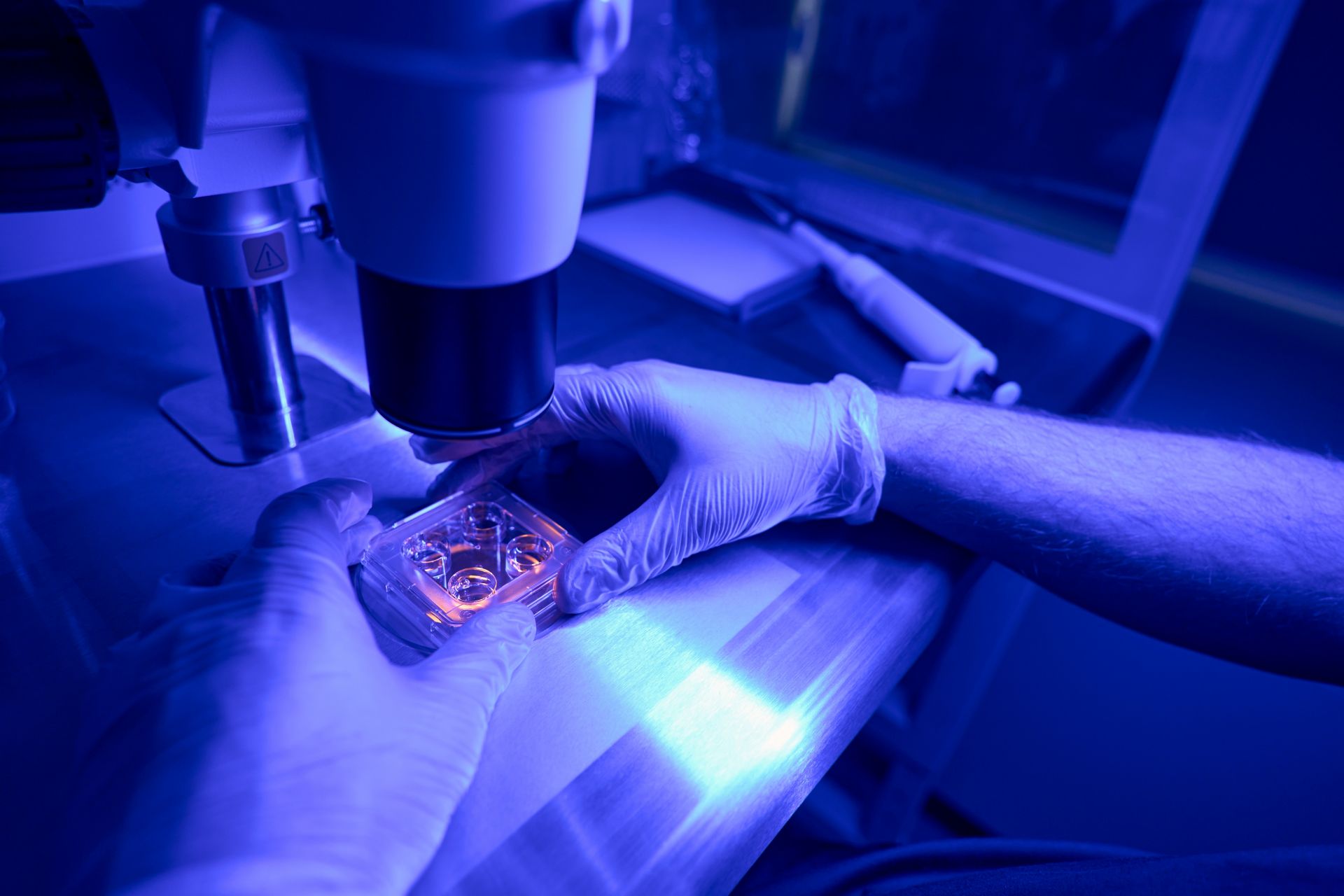
bit.bio launches cell culture media kits for human cell research
bit.bio has launched two cell culture media kits designed to simplify access to human iPSC-derived cells for research and drug discovery.
bit.bio has launched two cell culture media kits designed to simplify the use of human iPSC-derived cells in research, supporting applications including disease modelling, target discovery and drug development.
The Cambridge-based human cell programming company said the kits were developed to address practical challenges associated with establishing human cell culture workflows, including the need to source and optimise multiple individual media components.
The new products support the culture of bit.bio’s ioGlutamatergic Neurons and ioMicroglia, human induced pluripotent stem cell (iPSC)-derived cell types used in neuroscience research. The company said the kits can reduce media preparation costs by around 18-fold compared with laboratories preparing equivalent media independently.
As researchers increasingly seek more human-relevant models for drug discovery and disease research, cell-based approaches are gaining attention as potential alternatives and complements to traditional preclinical methods.
Emma Pepperell, CEO at bit.bio, said: “Researchers increasingly recognise the scientific advantages of human cells, but practical barriers have slowed wider adoption. Our mission is to democratise access to human cells. Our new media kits make it significantly easier and more affordable for laboratories to get started with consistent, human-relevant models without the complexity and cost traditionally associated with preparing specialist media from scratch.”
The media kits have been developed for use with bit.bio’s ioCells, which are generated using the company’s opti-ox deterministic cell programming technology. The platform is designed to produce consistent human iPSC-derived cells for use across research applications.
The ioGlutamatergic Neurons Media Kit supports culture of excitatory neurons for neuroscience studies, including disease modelling and drug discovery. The ioMicroglia Media Kit enables researchers to work with human microglia models to investigate neuroinflammation and neurodegenerative diseases, including Alzheimer’s disease and Parkinson’s disease.
bit.bio said the kits provide optimised culture conditions that allow scientists to maintain cells for up to 14 days after thawing, supporting reproducible workflows across laboratories.
The launch comes as the life sciences sector continues to explore New Approach Methodologies (NAMs), which aim to provide more predictive human-relevant models while reducing reliance on traditional preclinical approaches.
By providing standardised cell culture tools alongside programmed human cell models, bit.bio aims to make these technologies easier for researchers to incorporate into laboratory workflows.