Caristo Diagnostics’ CaRi-Heart coronary inflammation technology authorised by US FDA
Caristo Diagnostics’ CaRi-Heart technology has received US FDA De Novo authorisation, allowing the AI-powered system to quantify coronary inflammation from routine coronary CT angiography (CCTA) scans.
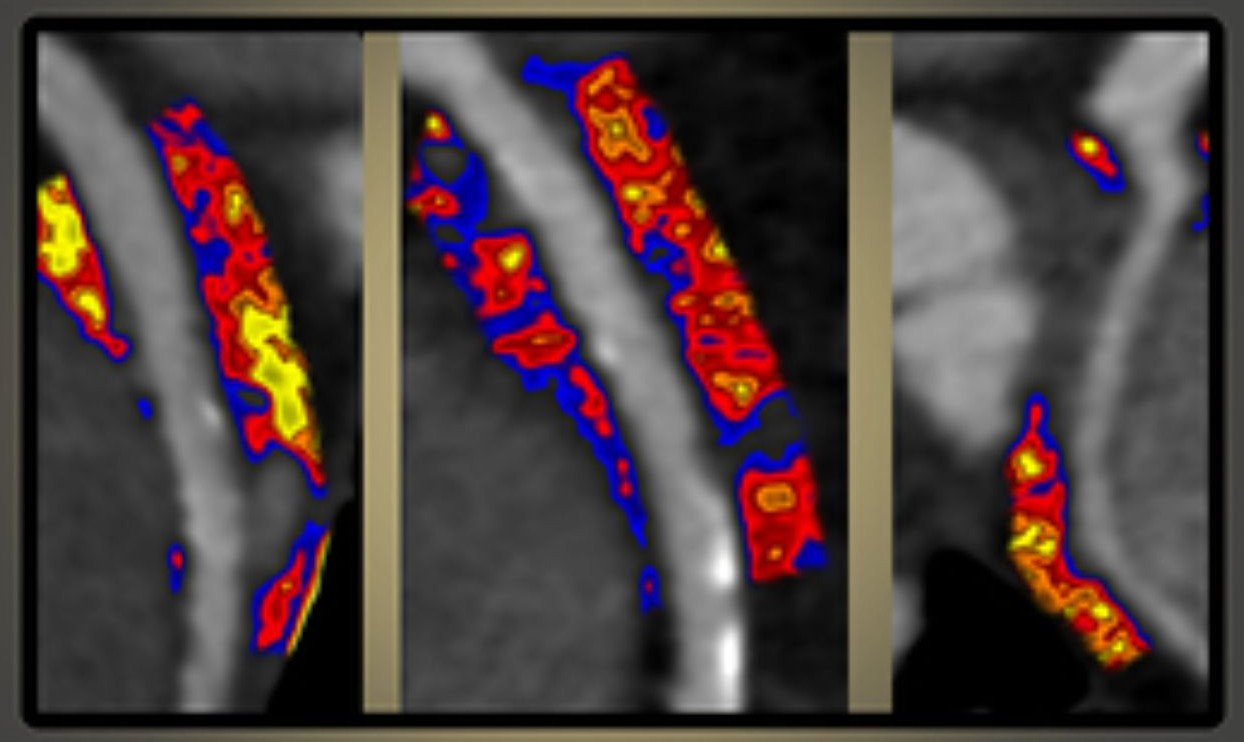
The technology is designed to identify inflammation around the coronary arteries, providing clinicians with additional information about cardiovascular risk alongside conventional imaging assessments.
Caristo said the FDA authorisation makes CaRi-Heart the first technology authorised in the US to quantify coronary inflammation from routine CCTA. The company plans to begin its US commercial launch during the third quarter of 2026, with expansion planned for the fourth quarter.
Coronary artery disease is the world’s leading cause of death, while coronary inflammation is recognised as an important contributor to plaque development and cardiovascular events. Caristo said CaRi-Heart is intended to help identify patients whose cardiovascular risk may not be fully captured by traditional risk assessments.
Ron Blankstein, a cardiologist at Harvard Medical School and Brigham and Women’s Hospital, said: “And now for the first time, clinicians can specifically measure coronary inflammation, obtaining a more complete picture of cardiovascular risk compared to standard CCTA, or calcium scoring alone.”
The technology analyses changes in the fat surrounding coronary arteries that are associated with inflammation. It then quantifies these changes through a fat attenuation index score, or FAI-Score, which Caristo describes as a validated biomarker of coronary inflammation.
AI analysis aims to identify hidden cardiovascular risk
CaRi-Heart also generates a CaRi-Heart Risk score, which provides an estimate of a patient’s cardiovascular mortality risk over a 10-year period.
Caristo said the technology has been validated in independent patient populations and its underlying research has been published in peer-reviewed journals, including The Lancet.
The company said the technology could provide clinicians with information that is not available through conventional cardiovascular risk assessments alone. This is particularly relevant given the limitations of traditional risk tools, with Caristo citing research suggesting that a significant proportion of first heart attacks occur in people previously classified as being at lower cardiovascular risk.
The approach is based on research developed at the University of Oxford and forms part of Caristo’s wider portfolio of AI technologies for cardiovascular disease.
The FDA authorisation follows the company’s existing US regulatory clearance for CaRi-Plaque, which provides quantitative analysis of coronary plaque. Caristo said combining plaque analysis with coronary inflammation assessment could give clinicians a more comprehensive view of cardiovascular risk.
US launch follows regulatory authorisation
Caristo said it will begin commercialising CaRi-Heart in the US during the third quarter of 2026 and expand its availability during the fourth quarter.
The American Medical Association has assigned Category III Current Procedural Terminology codes 0992T and 0993T for CaRi-Heart, which became effective on January 1, 2026.
Steve Deitsch, CEO of Caristo Diagnostics, said: “With CaRi-Heart’s authorization, we begin a new era of cardiovascular care in the US, and we thank the FDA for its thoughtful review throughout the De Novo authorization process.”
The company said the FDA milestone follows more than a decade of research involving its co-founders, clinical research partners and the wider Caristo team.
CaRi-Heart is already available in Europe, Switzerland, the UK and Australia.
Caristo also said the technology is supported by the Oxford Risk Factors And Non-invasive imaging study (ORFAN), a large coronary CT registry designed to collect long-term outcomes data from up to 250,000 patients worldwide.
The FDA authorisation gives Caristo an opportunity to expand the use of AI-based coronary imaging in the US, where the company is now preparing its commercial infrastructure and launch plans.