Cereno starts Phase 2b trial of CS1 in pulmonary arterial hypertension
Cereno Scientific has dosed the first patient in its global Phase 2b trial evaluating CS1 as a potential treatment for pulmonary arterial hypertension (PAH).
The EPIMODE trial will assess the drug’s efficacy, safety and optimal dose, as well as its potential to modify disease progression.
The first patient has completed screening, been randomised and received treatment, following activation of the first clinical site in August 2026. Cereno is continuing to activate specialist PAH centres across North America, Europe and South America to support recruitment.
Rahul Agrawal, chief medical officer and head of R&D at Cereno Scientific, said: “First patient randomization and dosing is an important milestone for EPIMODE. We have made substantial progress across the broader trial network, working closely with our CRO, investigators and clinical teams to prepare and activate additional specialist PAH centers.”
The company expects up to 15 clinical sites to be activated by the end of 2026, with more than half of its planned global network operational by the end of the first quarter of 2027.
Trial will assess CS1’s effect on pulmonary vascular resistance
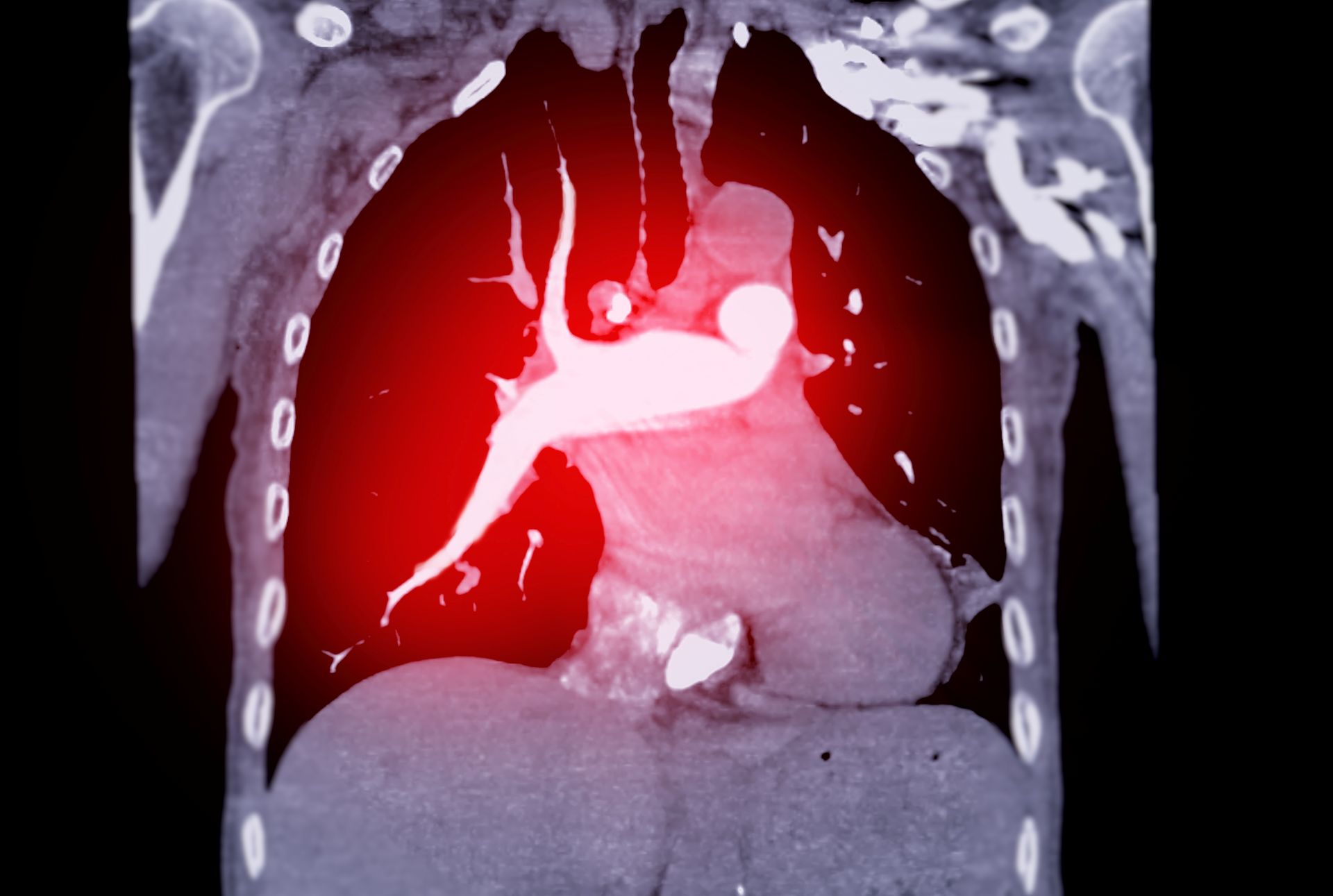
PAH is a progressive condition characterised by changes in the pulmonary arteries that increase resistance to blood flow through the lungs. This places additional strain on the right side of the heart and can ultimately lead to heart failure.
Despite existing treatments, PAH remains a serious disease with significant unmet medical need.
CS1 is an oral, once-daily treatment being developed as an addition to standard care. It is designed to target mechanisms associated with disease progression, including vascular remodelling, fibrosis and inflammation.
The primary endpoint of EPIMODE is the change in pulmonary vascular resistance (PVR) after nine months of treatment. PVR measures the resistance to blood flow through the pulmonary circulation and is an important indicator of disease severity.
The study has a two-stage design. Following the initial nine-month treatment period, patients will be re-randomised to assess the effects of continuing, starting or withdrawing CS1 treatment. Patients initially assigned to placebo will receive active treatment during the second stage.
The design is intended to provide further information about the durability of treatment effects and whether potential benefits persist or change following treatment withdrawal.
Phase 2a findings provide clinical rationale
The Phase 2b trial follows a completed Phase 2a study in which CS1 met its primary safety and tolerability endpoint.
Cereno also reported exploratory efficacy signals, including improvements in right-heart function, functional class, risk scores and quality of life, alongside early findings consistent with reverse vascular remodelling.
A subsequent 12-month expanded access programme evaluated the longer-term safety and tolerability of CS1, extending accumulated treatment experience to approximately 15 months.
Of the six patients who completed 12 months of treatment, the majority maintained or improved their clinical status across several functional and biomarker measures.
These findings provide the clinical rationale for further investigation, although the small number of patients in the expanded access programme means the results should be interpreted cautiously.
Sten R Sörensen, chief executive officer of Cereno Scientific, said: “We have built an encouraging clinical foundation for CS1 through Phase IIa and the subsequent Expanded Access Program, and EPIMODE is the next important step in evaluating that potential in a larger, controlled trial.”
Recruitment targeted for completion in 2027
Cereno expects to complete patient recruitment during 2027, with topline results targeted for the fourth quarter of 2028.
The company said these timelines remain dependent on recruitment progress and securing the financing required to execute the trial as planned.
The results will help determine whether the findings from the earlier Phase 2a study can be replicated in a larger, randomised and placebo-controlled trial, and whether CS1 has a role in the treatment of PAH.