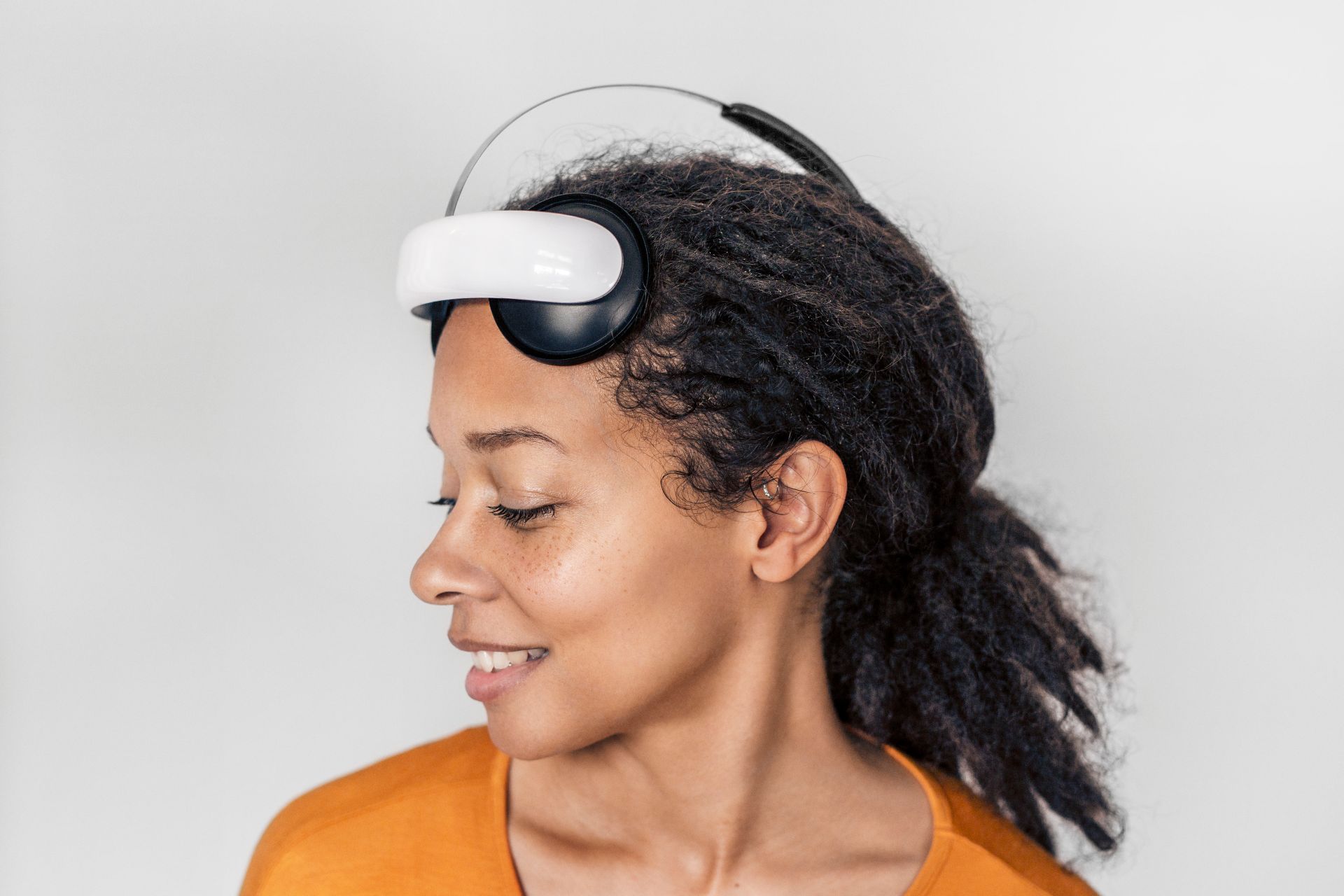
The decision allows clinicians in the US to offer a prescription-only, home-delivered treatment that applies transcranial direct current stimulation (tDCS) to the prefrontal cortex. Several forms of neuromodulation have been available in clinical settings for many years, but this is the first time the FDA has approved a system specifically designed for use outside the clinic. Flow expects US availability in the second quarter of 2026.
Depression affects more than 20 million adults in the US, a rise of around 60 per cent over the past decade. A significant proportion of patients stop or avoid pharmacological treatment due to side effects or insufficient response, creating pressure to expand the range of clinically validated alternatives.
Erin Lee, CEO of Flow Neuroscience, said: “We’re on a mission to make effective, affordable non-drug treatment available to the millions of Americans suffering from depression. Flow’s FDA approval is a watershed moment for the treatment of depression: the first step in moving from pharmaceutical treatments to tech-based therapies with minimal side effects.”
tDCS has been studied for more than 25 years, with over 9000 publications examining its potential in depression, stroke recovery and pain management. Flow’s device uses a gentle electrical current to stimulate the region of the brain linked to mood regulation and stress response, which research suggests is often underactive in people with depression.
Flow recently reported results from a randomised controlled study published in Nature Medicine. The trial, which the company describes as the largest of its kind for home-based neuromodulation, found that patients using the FL-100 device experienced symptom reductions within three weeks. Active treatment outperformed sham stimulation and achieved two to three times higher remission and response rates. By week 10, 58 per cent of patients were in remission. The study also included participants already using medication or psychotherapy, reflecting broader real-world conditions.
Kultar Garcha, chief medical officer, added: “Among our real-world users, 77% see improvements in as little as three weeks. Such treatment, previously confined to clinics, can now be delivered at home, pointing to a scalable way of expanding access to effective depression care.”
Daniel Mansson, co-founder and chief scientific officer, said the US approval builds on more than six years of global data from clinical trials and user reports. Flow has been used by around 55,000 people in Europe, the UK, Switzerland and Hong Kong, with adoption in several NHS settings.
The FL-100 received Breakthrough Device designation from the FDA in 2022, a pathway intended for technologies with potential to offer improved treatment over existing options. Flow plans further clinical evaluation across neuropsychiatric conditions, including traumatic brain injury, addiction and sleep disorders.