Kenya, Uganda and Côte d’Ivoire partner with Terumo Blood and Cell Technologies to build coordinated national care frameworks for sickle cell care
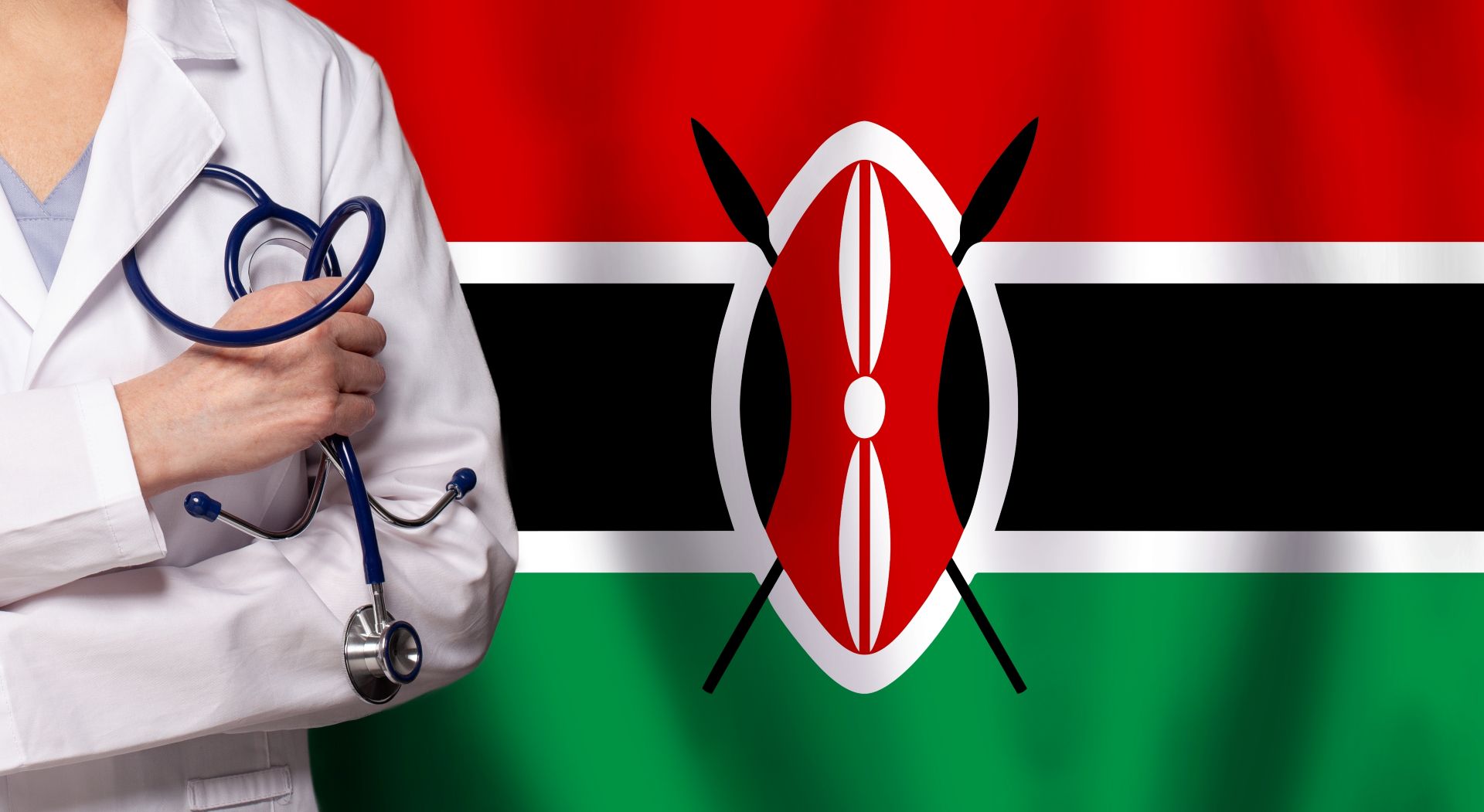
Ministries of Health in Kenya and Côte d’Ivoire, together with Uganda’s Joint Clinical Research Centre (JCRC) under the stewardship of the Uganda Ministry of Health, have signed three memoranda of understanding (MoUs) with Terumo Blood and Cell Technologies (Terumo BCT) to develop coordinated national frameworks for sickle cell disease (SCD) care.
The agreements mark a major step in addressing one of Africa’s most urgent but long-neglected public health challenges. SCD affects an estimated 7.74 million people globally, with nearly 80% of cases occurring in sub-Saharan Africa. Between 50% and 80% of infants born with SCD in the region die before reaching their fifth birthday, and in some West African countries the condition accounts for up to 16% of deaths in children under five.
The MoUs support the creation of comprehensive disease management frameworks, strengthening national health systems and improving outcomes for people living with SCD. Each partner brings a unique strength: the Ministries of Health provide oversight of healthcare infrastructure and policy; JCRC contributes research and implementation expertise; and Terumo BCT brings medical technology solutions to the table.
Areas of collaboration include increasing public awareness to reduce stigma and promote early intervention, enhancing facility capacity and healthcare worker training, conducting joint research to shape care strategies, integrating SCD into national health systems, and mobilising resources to ensure consistent disease management.
“These partnerships are about providing more people the care they deserve,” said Antoinette Gawin, president and CEO, Terumo BCT. “By working side by side with national partners, we can strengthen the blood supply, advance sickle cell care and help build a more resilient health system that endures.”
Dr Cissy Kityo Mutuluuza, executive director, Joint Clinical Research Centre (JCRC), Uganda, added: “This is a blueprint for action. By generating data, building evidence and applying it at scale, we will finally change outcomes for millions of African families living with sickle cell disease.”
Professor Mamadou SAMBA, director general of health and public hygiene, Ministry of Health, Public Hygiene and Universal Health Coverage Côte d’Ivoire, said: “Together with our African partners, we are laying the groundwork for durable disease management systems and declaring that sickle cell disease is no longer an invisible burden. National frameworks provide the foundation for sustainable results.”
Dr Ouma Oluga, principal secretary for the state department for medical services, Ministry of Health Kenya, said: “Blood is a cornerstone of health systems, underpinning lifesaving interventions across a wide range of clinical needs. From the management of sickle cell disease crises to the treatment of postpartum haemorrhage, trauma care and complex surgeries, an adequate and safe blood supply is indispensable. Ensuring a consistent and sustainable availability of blood and blood products is therefore not only a matter of clinical necessity but also our policy priority for strengthening health system resilience. These MoUs are a commitment to resilient care that can save children’s lives and offer a better future for people living with sickle cell disease.”
Eyong Ebai, general manager, Africa, Terumo BCT, added: “Our team in Africa is honoured to work alongside governments and public-private partners across the continent. Together, we can put the objectives of these MoUs into practice: building sustainable care pathways and embedding sickle cell disease into national health agendas.”
Since opening its regional office in 2018, Terumo BCT has built a team living and working alongside African communities to ensure solutions are shaped by local insight. These new agreements reinforce the commitment of Kenya, Uganda, Côte d’Ivoire, and Terumo BCT to making sickle cell disease a national priority through coordinated, sustainable frameworks.