
UK nuclear materials to power new precision cancer therapies
The UK is launching a major programme to convert used nuclear materials into a reliable supply of next-generation precision cancer therapies, backed by £9.9m from the Innovate UK Sustainable Medicines Manufacturing Innovation Programme and £8.9m from industry partners. The project aims to create a sustainable source of the radionuclide lead-212, which can be used to make targeted alpha therapies designed to destroy cancer cells while sparing healthy tissue.
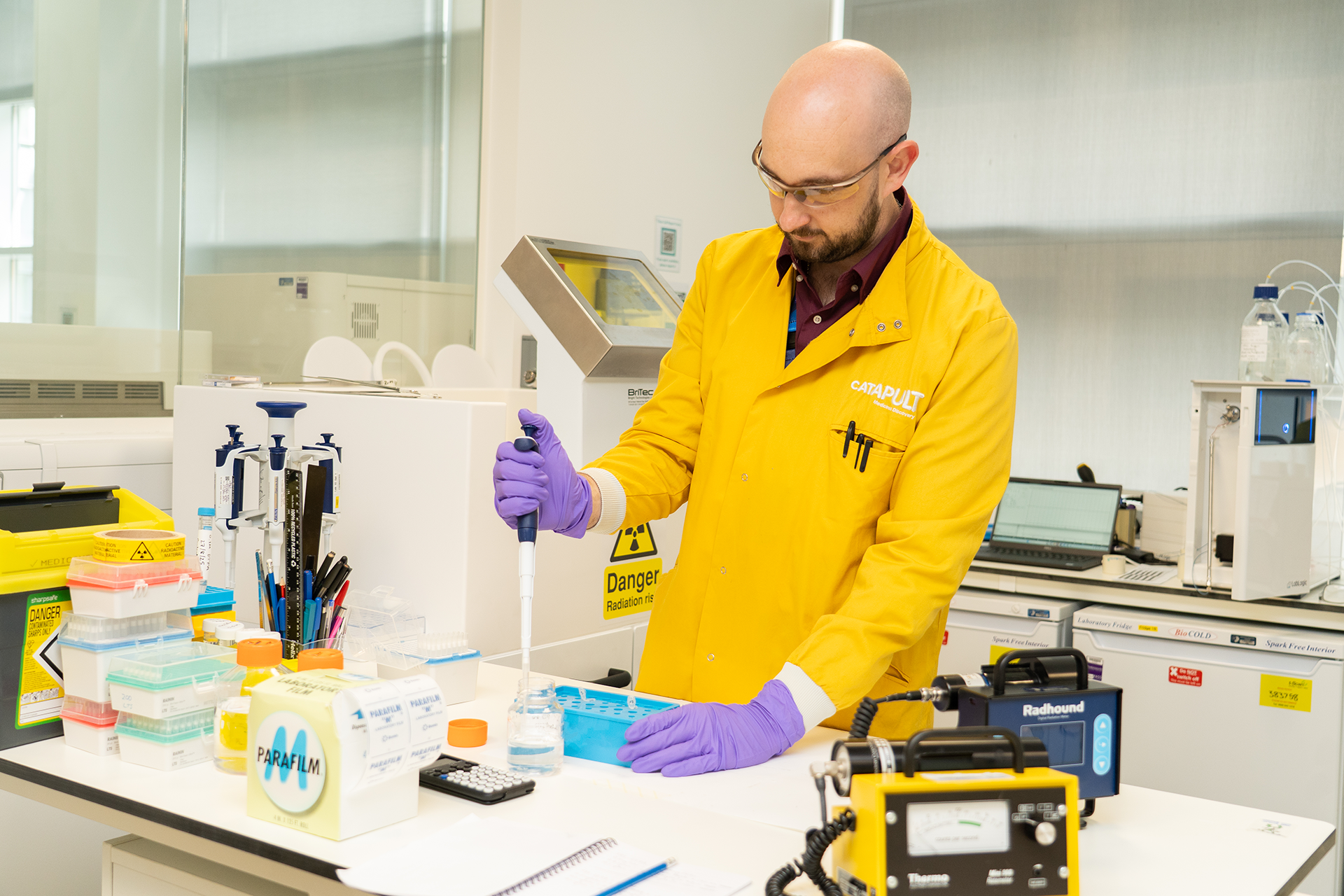
United Kingdom National Nuclear Laboratory (UKNNL) and Medicines Discovery Catapult (MDC) are co-leading the work. Lead-212 is already recognised for its therapeutic potential, but production capacity worldwide is severely limited. UKNNL has developed a method to extract it from recycled nuclear fuel, providing what the partners describe as an evergreen domestic supply. The process isolates a minuscule amount of parent material from fuel that has already powered UK homes, before separating an even smaller quantity of lead-212. MDC will then develop this material into clinical-grade radiopharmaceuticals with its radiochemistry and imaging capabilities.
The consortium believes this approach could scale to support thousands of patients, and potentially position the UK as a global leader in an emerging field of nuclear medicine. The new funding will build the infrastructure needed to progress treatments towards clinical trials and future care pathways.
Government support for the programme reflects a wider ambition to expand precision oncology. Science and Technology Secretary Liz Kendall said: “It’s incredible to think that we could turn used nuclear fuel into cutting edge cancer treatments – but that is exactly what British scientific brilliance is making possible.” She emphasised the potential for innovations like this to give patients “more priceless time with their loved ones”.
Julianne Antrobus, chief executive officer at UKNNL, said the UK’s sovereign supply of lead-212 represents a rare opportunity to turn national nuclear expertise into future cancer care. She noted that recycled fuel “can now serve us again by offering new hope to cancer patients”, adding that the programme will help create the processes and infrastructure needed to unlock a new class of precision nuclear medicines.
MDC chief executive officer Chris Molloy described lead-212 as a significant yet underused national asset with “extraordinary medical potential”. He said the consortium aims to transform it into new therapies without creating additional waste, but stressed that ambition must be matched by the capability to produce, test and scale the materials. He added that support from the Sustainable Medicines Manufacturing Innovation Programme provides the resources to move from research to real-world impact.
The initiative also highlights the strategic role of nuclear science in UK health innovation. UKNNL continues to expand national capacity in medical isotope production and works with researchers developing new diagnostics and treatments for cancer, neurodegeneration and cardiovascular disease. MDC contributes specialised radiochemistry and preclinical imaging that are rare in the UK and essential for radiopharmaceutical development.
The wider consortium includes Cyclife Aquila Nuclear, PentaBind, Iksuda Therapeutics, Seda and entX. Collectively, the partners aim to build a complete ecosystem for targeted alpha therapy, spanning isotope generation, drug design, testing, manufacturing and the regulatory foundations required for future trials.