Tariff tensions: How US drug policy could reshape global pharma supply chains
A dramatic rise in tariffs on generic drugs, particularly staples like ibuprofen, has triggered alarm across the healthcare landscape. Hospitals, pharmacies, and patients are bracing for higher costs and tighter access in a system already plagued by inflation, shortages, and supply instability. Discover Pharma speaks with Loren Johnson, risk evangelist at Aravo, about the deeper consequences of these economic policies—from fragile international dependencies to the long road to domestic production.
How do you expect hospitals and pharmacies to respond to such a steep increase in generic drug tariffs, particularly on high-use medications like ibuprofen?
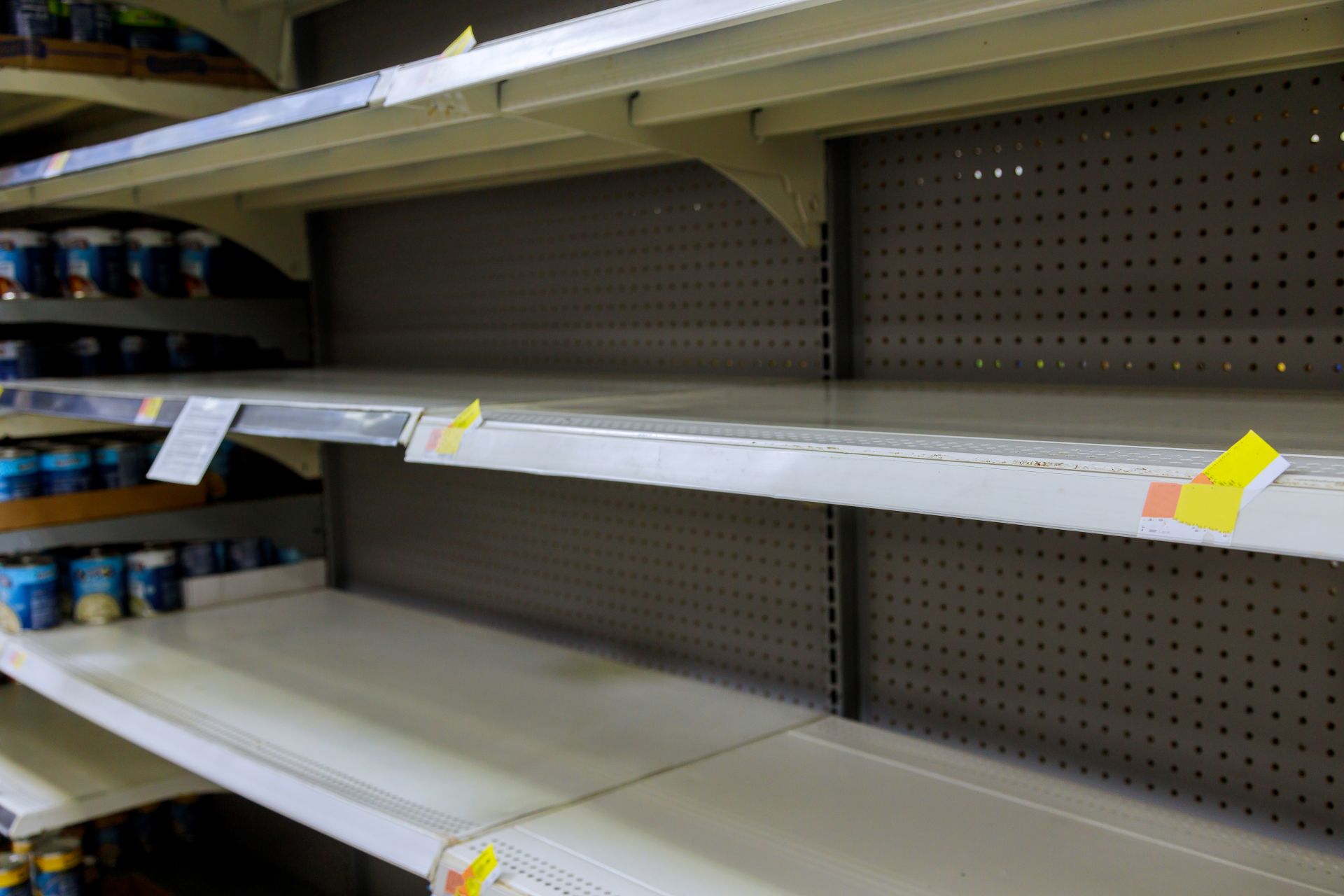
Honestly, they’re going to scramble. Hospitals and pharmacies have already been dealing with inflation, supply chain instability, and drug shortages. Adding a steep tariff – especially on something as widely used as ibuprofen – just piles on. In some cases, we’re already seeing cost increases before tariffs are even finalized, as a kind of insurance policy against future volatility. It’s not about whether they want to raise prices – it’s about needing to hedge risk in an unpredictable environment to cover additional production and delivery expenses. I’d expect higher prices, tighter formularies, and more pressure to find alternatives… even if there aren’t many.
What knock-on effects might consumers see in terms of pricing, access, or availability—especially for lower-income patients?
This is where it gets concerning. Generic drugs are the safety net for a huge portion of the population. But the reality is, the generic pharma market just doesn’t have much flexibility built into it. US-branded doesn’t necessarily mean US-sourced – far from it. Some over-the-counter meds that say “made in the USA” still rely on ingredients that are 95%+ sourced from China. So when there’s a disruption – like a tariff hike or supply chain snag – there aren’t a lot of fast, affordable alternatives. It’s a fragile setup.
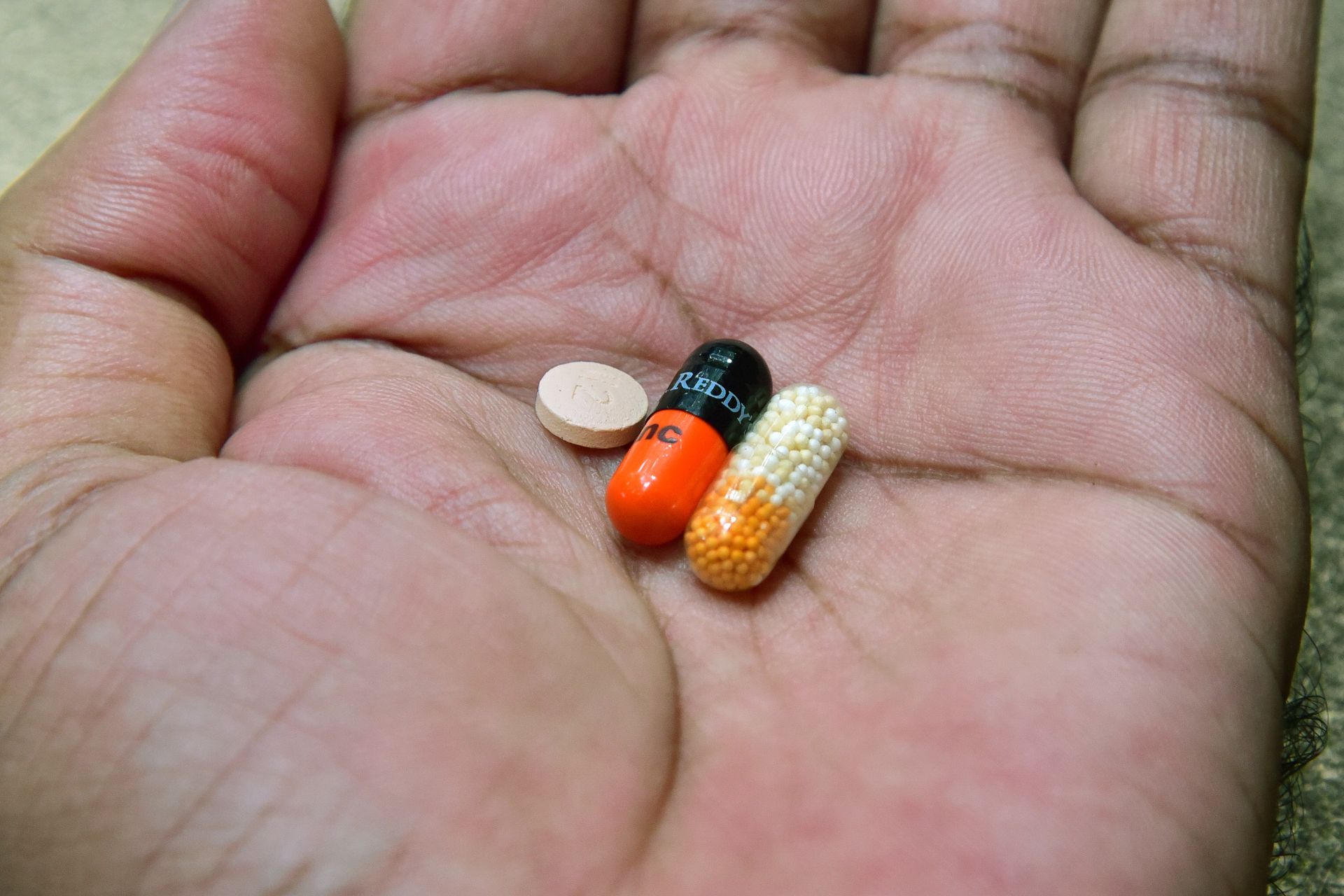
That fragility hits consumers hardest. If a generic pill like ibuprofen doubles in price – from 75 cents to $1.50 – it may not sound like a crisis on paper, but multiply that across millions of prescriptions and it’s a serious burden, especially for lower-income patients. Historically, when drug prices go up, people start skipping doses, rationing meds, or opting for lower-quality substitutes. It’s not just a pocketbook issue – it’s a public health issue.
Do you think this tariff policy is more about economic leverage or supply chain reform—and is it likely to achieve either goal?
Regardless of whether the tariffs are about economic leverage or supply chain reform, the pharmaceutical supply chain is not something you can turn on a dime. You can’t just flip a switch and start producing ibuprofen domestically next month. The regulatory requirements, the facility costs, the labor – none of that happens overnight. So if the goal is to push companies toward long-term supply chain diversification, that’s a multi-year process, and in the short term, we’re probably just going to absorb the cost.
That said, the instability should be a wake-up call. Concentration risk is a challenge that must be better managed – especially in a system where 91% of prescriptions are generic and most of the active ingredients are made overseas. The combination of threatened and actual blanket tariffs should drive serious reconsideration of how resilient our international supply chains really are.
Companies are going to have to be more agile in an unstable world. But that doesn’t mean rushing into domestic production – it means reconsidering all alternatives, understanding where the real risks lie, and not taking the current system for granted. It’s a perplexing situation, and it’s going to require a longer-term strategy – not just a political or pricing reaction.
With generics making up 91% of US prescriptions, what’s your biggest concern about how this will play out across the broader healthcare system?
My biggest concern is this: the costs for generic drugs will almost assuredly rise, independent of tariff status. Everyone’s trying to absorb the hit at once, and no one really can. Healthcare services will suffer until we reach another equilibrium – and we’re not just talking about optional meds here. These are critical treatments. If the price stability of generics evaporates, it threatens affordability and access across the entire healthcare ecosystem.
How quickly could domestic or alternative suppliers realistically step in if the US wants to reduce reliance on China and India?
Not quickly. Even in a best-case scenario, you’re talking about years. Maybe some capacity could come online faster – reactivated facilities, accelerated FDA approvals – but that’s assuming the labor is there, the materials are available, and the cost is viable. Most US-branded generics still rely on Chinese or Indian ingredients. There are other alternatives like Ireland, but even with a 25% tariff, it’s not necessarily cheaper – and it’s still not fast.
There are so many opportunities for delays, additional costs, and failure that, while it can be done, it likely won’t be done – at least not at scale or speed. What we’re likely to see in the near term is more hesitation than action. Companies are in a “wait and see” mode rather than a “let’s build it ourselves” mode, because the rules could change again next year. That kind of volatility makes long-term investments tough to justify – and even tougher to get leadership buy-in on.