Novadip’s autologous cell therapy NVD003 receives RMAT designation for rare pediatric bone disorder
FDA recognises regenerative approach for congenital pseudarthrosis of the tibia ahead of pivotal Phase 3 trial
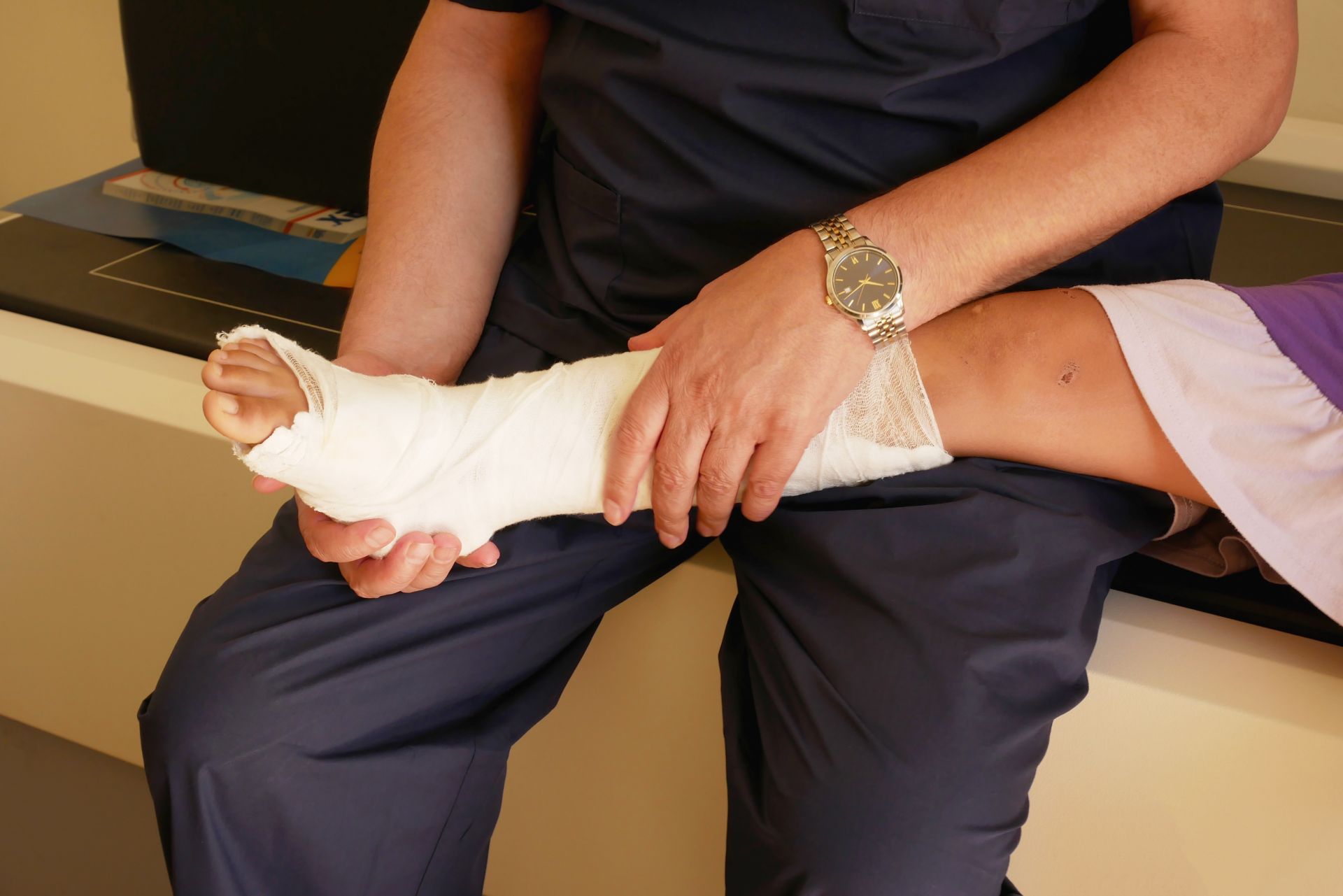
Novadip Biosciences has received Regenerative Medicine Advanced Therapy (RMAT) designation from the US FDA for its investigational therapy NVD003. The therapy was developed to treat congenital pseudarthrosis of the tibia (CPT), a rare and serious paediatric bone condition.
The designation, intended to expedite the development of promising regenerative treatments for unmet medical needs, was granted on the basis of preliminary clinical evidence suggesting that NVD003 may offer a novel approach to fracture healing in children with CPT — a population with limited therapeutic options and high risk of amputation.
“NVD003 is a tissue regeneration product intended for a serious, rare and debilitating condition affecting children.”
— Denis Dufrane, CEO, Novadip
NVD003 is an autologous cell therapy derived from adipose stem cells and developed as a one-time regenerative treatment for non-healing tibial fractures. According to Novadip, the product is designed to restore bone integrity in cases where multiple prior surgeries may have failed to achieve union.
Data supporting the RMAT designation included results from a Phase 1b/2a trial and compassionate use cases in Belgium. Across a combined group of eight paediatric patients, 88% achieved bone healing following treatment with NVD003. The company received its investigational new drug (IND) application in 2021 and plans to launch a pivotal Phase 3 trial in the coming weeks, with initial sites opening in the US and Europe.
“This designation signals confidence in our preliminary data and clinical strategy as we move into Phase 3.”
Judy Ashworth, MD, chief medical officer, Novadip
“There is often no clear regulatory roadmap when it comes to rare disease applications of regenerative therapies,” said Judy Ashworth, chief medical officer at Novadip. “This designation signals confidence in our preliminary data and clinical strategy as we move into Phase 3.”
CPT affects fewer than 3.5 in 150,000 live births and is marked by repeated fractures, poor bone healing, and, in severe cases, amputation. Existing treatments often require multiple surgical interventions, with varying outcomes.
Novadip previously received Orphan Drug, Rare Pediatric Disease, and Fast Track designations from the FDA for NVD003 in CPT. The company projects that, if successful, NVD003 could address a broader range of large bone defects across paediatric and adult populations.