PhaSER Biomedical secures $2.7m Gates Foundation grant renewal
Scottish biotech PhaSER Biomedical has secured a two-year Gates Foundation grant to advance humanised mouse models for infectious disease drug discovery.
Gates Foundation extends infectious disease research funding
PhaSER Biomedical has received a $2.7m (£2m), two-year grant renewal from the Gates Foundation to support the discovery of treatments for neglected infectious diseases.
The Dundee-based company will continue its work with the Global Health Discovery Collaboratory, a programme connecting Gates Foundation grantees with specialist research organisations. The funding gives Collaboratory investigators access to PhaSER’s humanised mouse models and expertise in drug metabolism, pharmacokinetics, bioanalysis, computational modelling and translational study design.
The award follows an initial $2.3m grant received in 2024. During the first funding period, researchers used PhaSER’s 8HUM mouse model across several infectious disease programmes, including tuberculosis, malaria, schistosomiasis and Chagas disease.
The model is designed to address differences between mouse and human drug metabolism, helping researchers understand how potential medicines might behave in people before progressing further through development.
PhaSER was established in October 2022 to commercialise a transgenic mouse model developed through collaboration between researchers at the University of Dundee, CXR Biosciences, Taconic Farms and Scottish Enterprise.
The 8HUM model is humanised for key pathways involved in drug metabolism and elimination. This allows researchers to investigate how compounds are processed using metabolic pathways more representative of those found in humans.
Differences between animal and human metabolism can complicate preclinical drug development, potentially affecting decisions about which candidates should progress into clinical testing.
Humanised models target preclinical drug development challenges
PhaSER said the first funding period demonstrated the value of incorporating human-relevant metabolism into infectious disease drug discovery.
The company aims to expand the use of 8HUM beyond the Collaboratory, positioning the model as a tool for drug discovery, pharmacology, safety and regulatory teams.
By generating information about safety, efficacy, toxicity, clinical pharmacokinetics and potential drug-drug interactions earlier in development, researchers could gain a broader understanding of candidate medicines before making decisions about clinical progression.
Professor Roland Wolf, founder of PhaSER Biomedical, said: “We are really excited about the continuation of this Collaboratory programme. Over the last two years we have seen how the humanised models provide human-relevant data that can rescue promising compounds, de-risk candidates and save valuable drug development time for the treatment diseases that affect millions of people. The renewal lets us build on our significant progress, with new models and capabilities shaped in close collaboration between PhaSER, Gates Foundation grantees and the University of Dundee”
Alongside its preclinical research, PhaSER is developing HERALD (Human Exposure and Response Analyser in Linked Drugs), an AI-driven platform designed to assess drug-drug interactions.
The platform focuses on polypharmacy, where patients take multiple medicines, increasing the potential for adverse drug reactions.
HERALD is being developed through a partnership involving PhaSER, the UK Medicines and Healthcare products Regulatory Agency (MHRA) and the University of Dundee. The work combines data from humanised models with clinical trial and real-world data, machine learning and computational modelling.
PhaSER expands team and prepares for growth
The grant renewal comes as PhaSER builds its team and prepares to expand its research and computational modelling capabilities.
The company has appointed Richard Bickerton, co-founder of drug discovery company Exscientia, as a non-executive director. It is also recruiting specialists in computational modelling and artificial intelligence.
Chris Wardhaugh, CEO of PhaSER Biomedical, said: “The continued support from the Gates Foundation will support our work using humanised models in accelerating drug development. What makes the Gates Collaboratory work so well is partnership and we are thrilled to continue working side by side with world-class investigators, and with our colleagues at the Drug Discovery Unit at the University of Dundee, to design the right studies and turn complex data into clear decisions.
“This is the same philosophy that is proving so fruitful in our partnership with MHRA, involving clinicians, applied mathematicians, data analysts and pharmacokinetic scientists to combine data from our humanised models with clinical trial and real-world data, machine learning and computational modelling – true interdisciplinary teamwork. Human-relevant evidence earlier in development means better choices about which medicines to take forward, and faster progress for the people who need them most.”
PhaSER said it is also in discussions with investors to support its next stage of development.
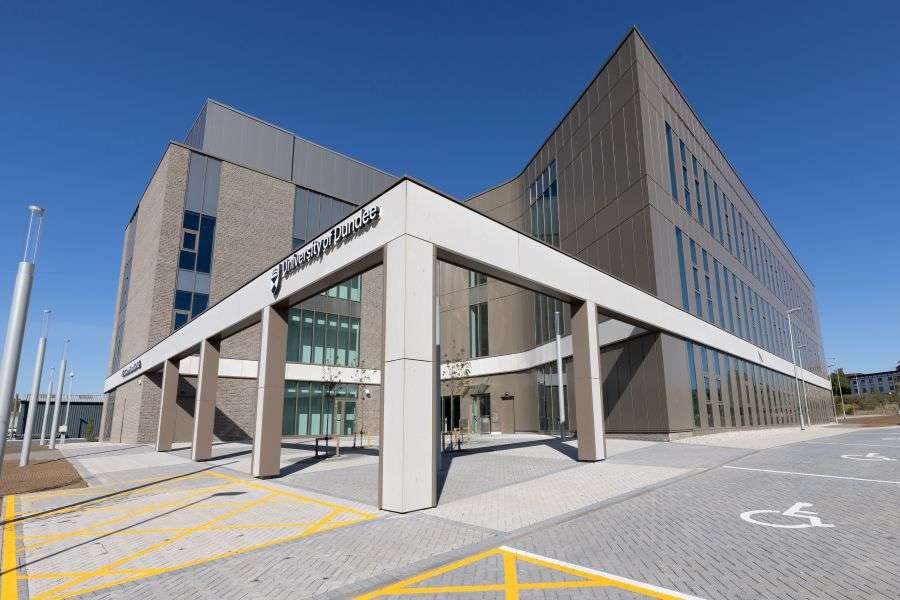
The company is headquartered at the University Innovation Hub in Dundee, Scotland.