Commit Biologics nominates first complement engager drug candidate
Commit Biologics has nominated COM002, its first development candidate from a platform designed to use the complement system to target and eliminate diseased cells.
The Copenhagen-based biotech is preparing the antibody-based candidate for clinical development, initially targeting patients with relapsed or refractory non-Hodgkin lymphoma. First patient dosing in a Phase 1 trial is expected in early 2028.
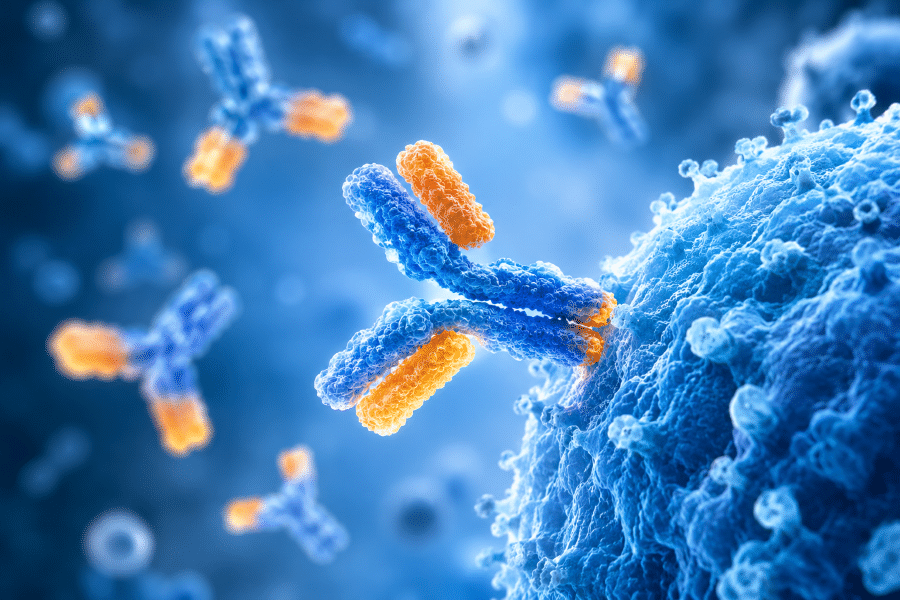
COM002 was developed using Commit’s proprietary Bispecific Complement Engager (BiCE) platform, which is designed to harness the complement system, a part of the innate immune system, to direct the destruction of specific cells.
The approach aims to provide an alternative to immune-engaging therapies that rely on T cells. Commit says its BiCE antibodies can activate complement to eliminate target cells independently of T cells.
The company plans to investigate the platform across oncology and autoimmune diseases, with several potential autoimmune indications identified for future development.
Complement system offers an alternative route to cell depletion
The complement system is a network of proteins that helps the immune system recognise and eliminate pathogens, damaged cells and other targets. Commit’s technology is designed to redirect this activity towards selected cells by engineering antibodies to engage complement.
The company is developing the approach as a potential new class of immunotherapy. Its initial focus on non-Hodgkin lymphoma reflects the potential of targeted B-cell depletion in diseases involving these immune cells.
Commit’s platform builds on preclinical proof-of-concept results announced in November 2025. In a non-human primate study, a single dose of an earlier complement engager targeting a B-cell antigen produced rapid and sustained B-cell depletion in blood and tissues. The company reported that depletion lasted for more than four weeks, with no cytokine release or adverse clinical observations.
These findings supported the development of the platform, but were not presented as clinical data for COM002 itself. The candidate remains in preclinical development, with further work required before human trials can begin.
Mikkel Wandahl Pedersen, chief scientific officer at Commit Biologics, said: “COM002 is our first clinical development candidate of an entirely new class of immune engagers, with potential applications in cancer and autoimmune disease. The nomination is a critical milestone, as we seek to show how our BiCE™ platform could revolutionise treatment, just as previous classes of immunotherapies, like T cell engagers and checkpoint inhibitors, have done.”
Commit strengthens leadership ahead of clinical development
The candidate nomination coincides with two senior appointments as Commit prepares to move from platform discovery into clinical development.
Anne-Marie Levy Rasmussen has joined as chief operating officer, bringing experience in biotech operations, commercial strategy and organisational development. She was previously chief operating officer at Gubra and chief executive officer of Innovation Fund Denmark. Earlier in her career, she held senior leadership roles at Bavarian Nordic and GSK.
Benjamin Ole Wolthers has been appointed head of clinical development. A physician with experience in drug development, he has held roles at Kite Pharma, Galapagos and Evaxion. His previous work included leadership of early-stage and registrational CAR-T trials, as well as clinical development strategy for first-in-human programmes.
At Commit, Wolthers will oversee clinical development, translational medicine and regulatory strategy, and lead the progression of COM002 into Phase 1 trials.
The appointments add operational and clinical development experience as the company builds the package needed to support its first human study. Commit has not yet disclosed a detailed clinical trial design or proposed enrolment numbers.
The company was founded as a spin-out from Aarhus University and is based in Copenhagen and Aarhus, Denmark. Its BiCE platform is being developed for potential applications in cancer and autoimmune disease.