Rare disease survey finds high levels of depression and anxiety
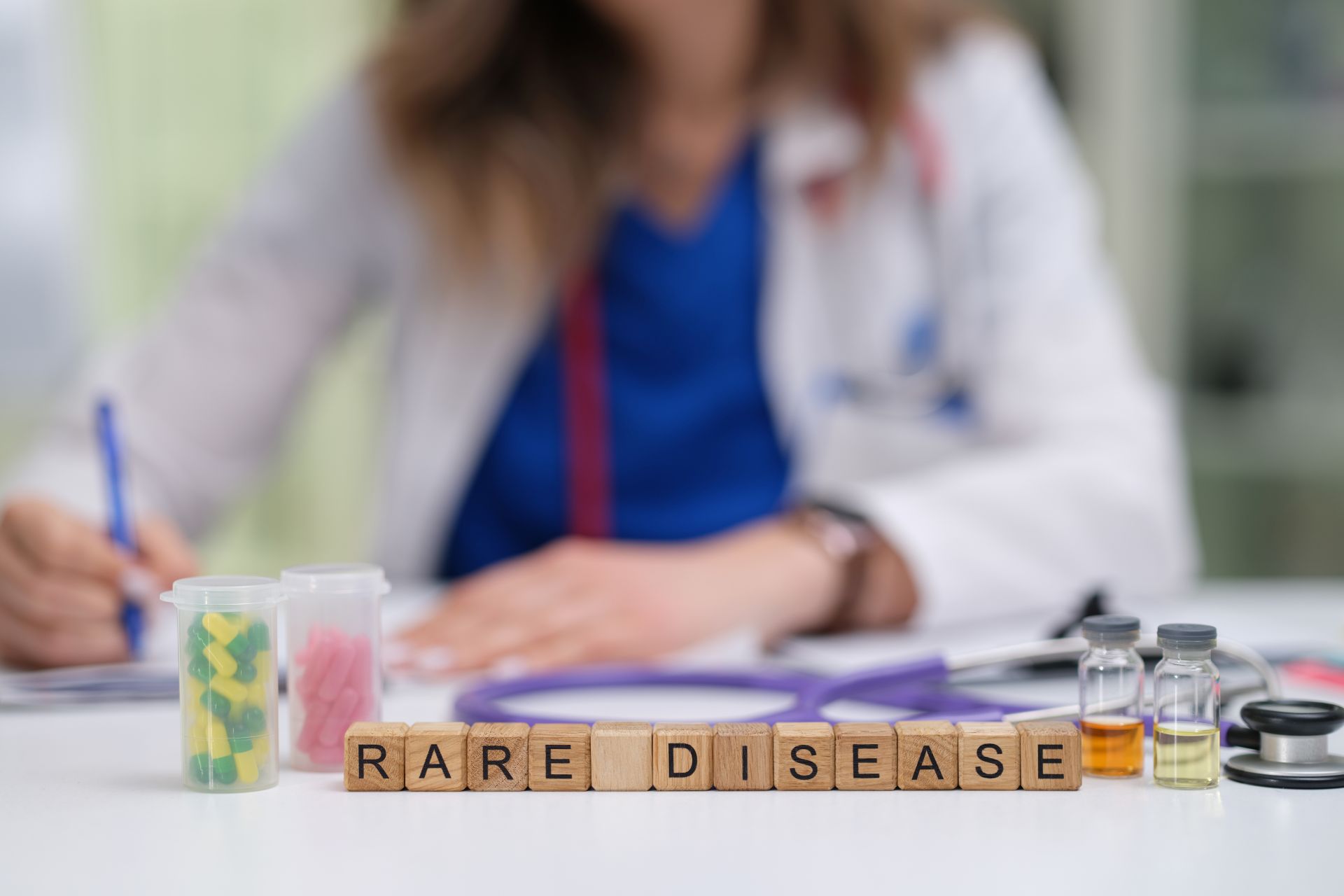
A UK survey has found that 70% of people living with rare diseases and their families report poor mental health, with many unable to access professional support.
The Rare Barometer survey, conducted independently by EURORDIS-Rare Diseases Europe, included 465 participants in the UK and covered 225 rare diseases. Its findings highlight the psychological impact of rare conditions, with respondents reporting high levels of depression, anxiety, loneliness and suicidal thoughts.
Published in June 2026, the survey found that 47% of participants experienced moderate to severe symptoms of depression, while 41% reported clinically significant anxiety. A further 57% reported loneliness and 38% said they had experienced suicidal thoughts during the previous six months.
Gap between need and psychological support
The findings also point to a substantial gap between the need for mental health care and the support available. Although 70% of participants said they had needed professional psychological support in the previous six months, only 39% had received it.
The survey identified difficulties accessing support from psychologists, psychotherapists and psychiatrists, including professionals whose services were reimbursed or paid for privately.
Dan Williams, CEO of SynaptixBio, which is developing a treatment for the rare neurological condition H-ABC, said: “For those living with a rare disease, and their families, the outlook is even worse. The new survey confirms that most of them do not receive professional psychological support.”
The survey also found that 73% of participants had received community-based emotional support during the previous six months, including from family, friends and charities.
Psychological impact of rare conditions
Rare diseases can involve complex medical needs, long diagnostic journeys and life-limiting symptoms. These challenges can affect daily life and contribute to anxiety, depression and social isolation among patients and their families.
Williams said: “Rare genetic conditions are often life-limiting and medically complex, and can take years to diagnose. This adds tremendously to the mental burden patients and their families have to carry.”
The Rare Barometer findings are consistent with an earlier study cited by SynaptixBio, which reported high levels of anxiety, stress and depression among people affected by rare conditions. The NHS also identifies chronic pain, fatigue, mobility problems and uncertainty around diagnosis as factors that can affect mental health.
The survey’s findings should be interpreted with its methodology in mind. Participants were self-selected, and the researchers said the representativeness of the sample could not be assessed because the characteristics of the wider rare disease population are not fully known.
Calls for greater recognition of mental health needs
Rare Barometer is an independent survey initiative run by EURORDIS-Rare Diseases Europe, which represents rare disease patient groups and works with researchers and policymakers to highlight the needs of the rare disease community.
Williams called for government action to improve support for patients and families.
“The government really needs to face up to this crisis. Rare diseases predominantly affect younger people, and they are typically life-limiting, so it is incumbent upon those who can effect change to do so urgently,” he said.
SynaptixBio is developing a treatment for H-ABC, a rare and life-limiting neurological condition. The company said the survey findings should prompt greater attention to the mental health needs of people living with rare diseases and those who care for them.