University Hospital Cologne selects Celonic for anti-Pseudomonas antibody manufacturing
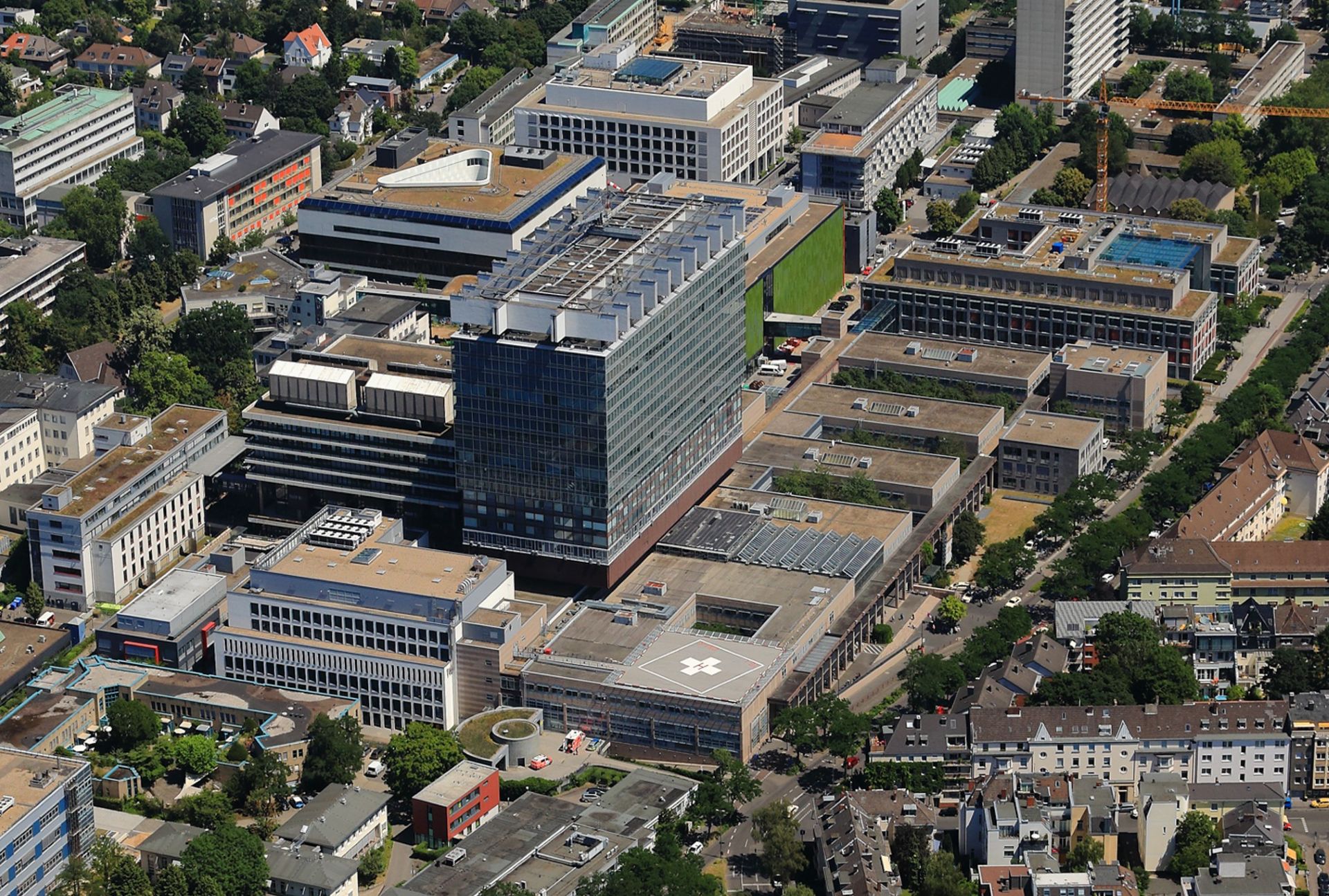
University Hospital Cologne has selected Celonic as its CDMO partner for process development and GMP manufacturing of a monoclonal antibody programme targeting Pseudomonas aeruginosa.
Antibody programme targets Pseudomonas
The programme is being developed by University Hospital Cologne in collaboration with the German Center for Infection Research (DZIF), with the aim of developing an antibody-based treatment for serious infections caused by Pseudomonas aeruginosa.
Pseudomonas aeruginosa is a Gram-negative bacterium that can cause severe healthcare-associated infections and is a particular concern because of its ability to develop antimicrobial resistance.
The antibody programme focuses on targeting PcrV, a component of the bacterium’s type 3 secretion system that plays a role in bacterial virulence. Blocking this mechanism could help prevent the pathogen from damaging host cells.
The Cologne project is supported by the German Federal Ministry for Research, Technology and Space through the GO-Bio next funding programme and by ForTra gGmbH for Research Transfer, a subsidiary of the Else Kröner Fresenius Foundation.
DZIF is supporting the programme through its Product Development Unit, providing scientific and translational expertise as the antibody moves towards clinical development.
The collaboration reflects growing interest in targeted anti-infective biologics as potential alternatives or complements to conventional antibiotics, particularly as antimicrobial resistance limits treatment options for some patients.
Celonic to support process development and GMP manufacturing
Celonic will carry out process development through its biologics development centre in Basel, Switzerland, before GMP manufacturing at its site in Heidelberg, Germany.
The company will use high-throughput process development to assess production conditions and support the transition towards pilot-scale manufacturing.
The work is intended to establish a manufacturing process suitable for production of the antibody for clinical development.
Samanta Cimitan, CEO of Celonic Group, said: “Advancing therapies for life-threatening  infections requires both scientific excellence and technological expertise. The monoclonal antibody program developed by the University Hospital Cologne and DZIF represents a promising advancement that may help address an important unmet need for patients.”
Cimitan added: “Leveraging next-generation high-throughput development technologies and our GMP manufacturing capabilities in Heidelberg, Germany, we help translate innovative scientific concepts into scalable therapies.”
The programme will use a high-throughput bioreactor system to support parallel process-development experiments and optimisation before progressing towards pilot-scale and GMP production.
Programme moves towards clinical development
The University Hospital Cologne and DZIF programme remains in preclinical development, with the manufacturing work representing an important step towards clinical testing.
The collaboration brings together academic research, translational development and commercial GMP manufacturing capabilities as the partners work towards advancing the monoclonal antibody programme into the clinic.
Targeted antibodies such as these could offer a different approach to treating Pseudomonas infections by interfering with specific bacterial virulence mechanisms rather than relying solely on antibiotics to kill the pathogen.
With multidrug-resistant Pseudomonas aeruginosa recognised as a significant healthcare challenge, the development of new targeted anti-infective therapies is an area of growing research interest.