Deep Origin computational platform identifies potent molecular glue for lymphoma treatment
Deep Origin’s computational platform helped identify a molecular glue compound that killed diffuse large B cell lymphoma cells at sub-nanomolar concentrations.
Deep Origin’s computational platform has helped identify a molecular glue compound capable of killing diffuse large B cell lymphoma (DLBCL) cells at sub-nanomolar concentrations, in research published in the journal Cell.
The study, led by researchers at Stanford University and the University of Texas MD Anderson Cancer Center, investigated a new class of compounds known as KAT-TCIPs (lysine acetyltransferase transcriptional/epigenetic chemical inducers of proximity).
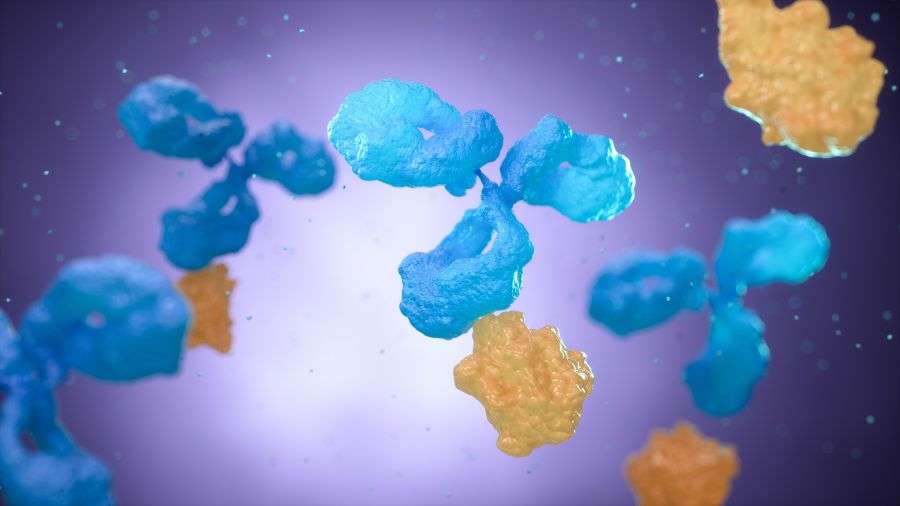
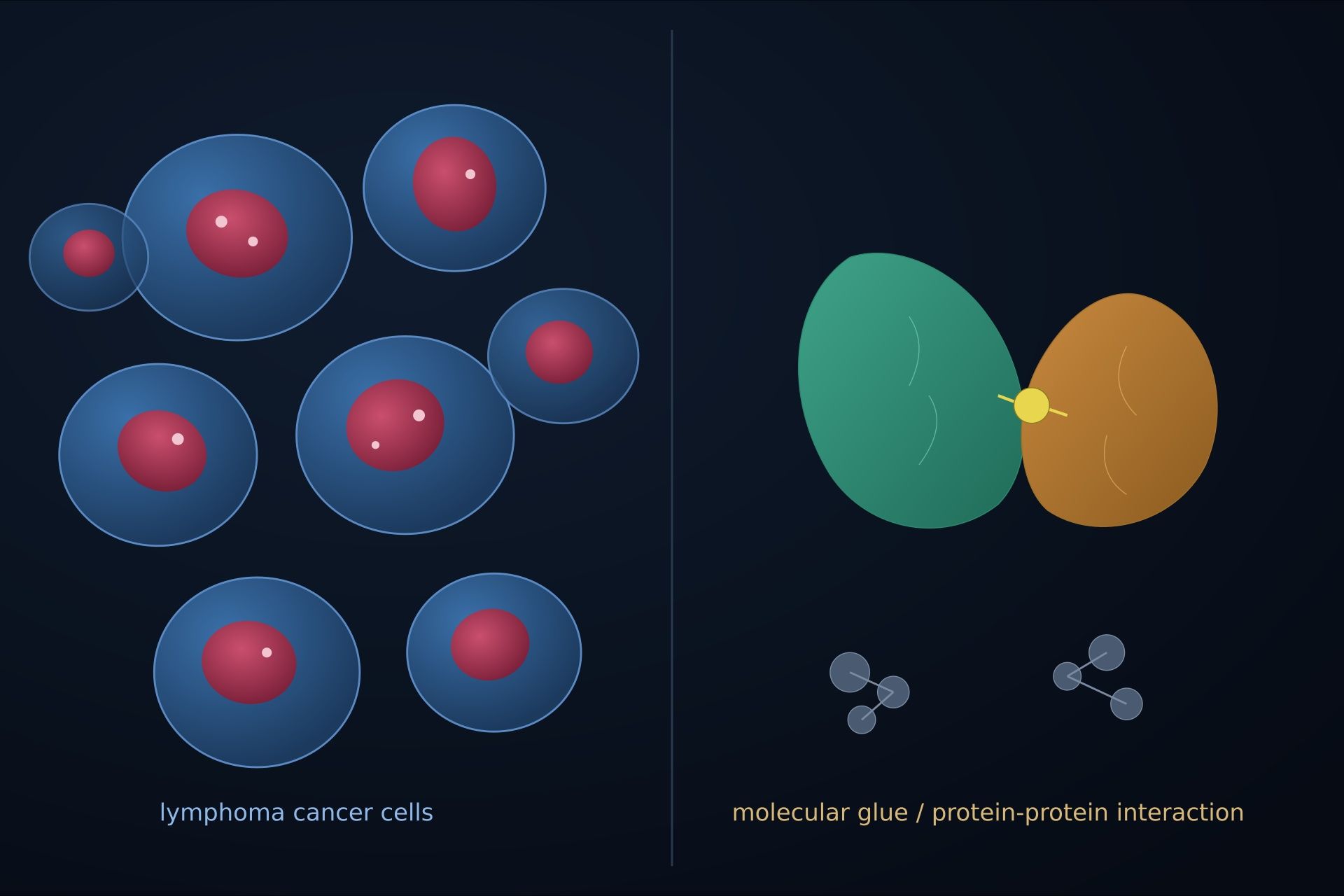
These compounds work as molecular glues that bring together the gene-activating enzymes p300/CBP and B cell lymphoma 6 (BCL6), a cancer driver involved in DLBCL. The resulting interaction is designed to activate cell-death programmes that are normally repressed in lymphoma cells.
Deep Origin’s role was to use computational modelling to assess a library of 17 compounds and identify which candidate was most likely to form an effective ternary complex between the proteins and molecular glue.
The company’s researchers used proprietary docking software to model how each compound could bind at the protein-protein interface. The compounds were initially ranked according to their docking scores, with the highest-scoring poses then taken forward for further analysis.
Deep Origin subsequently used molecular dynamics simulations, running each ternary complex for 300 nanoseconds, to refine the initial structures and generate an ensemble of possible configurations. Quantum mechanical calculations were then used to assess the linker strain energy associated with each compound.
The compounds were ranked according to the energetic cost involved in forming the ternary complex. The candidate with the lowest energetic cost was subsequently shown in laboratory experiments to be the most effective compound in the library.
The selected compound, known as TCIP3, killed lymphoma cells with an IC50 of 0.80 nM. The findings were also supported by in vivo experiments, in which the compound produced complete or near-complete tumour clearance in a mouse xenograft model of DLBCL.
In immunised mice, the compound also depleted germinal centre B cells, which express high levels of BCL6 and can serve as a model for certain types of lymphoma. The researchers reported no overt organ toxicity in the animals.
Garegin Papoian, co-founder and chief scientific officer of Deep Origin, said: “Deep Origin’s computational simulations flagged the compound that would kill cancer cells most effectively – matching results achieved at the bench.”
He added that the results demonstrated the potential of computational approaches to identify drug candidates before laboratory testing, saying the company’s aim was “to determine the candidates most likely to achieve desired results prior to wet lab experimentation.”
The research also highlights a potential difference between KAT-TCIPs and existing approaches targeting BCL6. According to the researchers, the compounds act through a gain-of-function mechanism that appears to activate cell-death programmes more effectively than BCL6 degraders and inhibitors.
Meredith Nix, a study co-author at Stanford University, said: “We designed KAT-TCIPs to recruit the lysine acetyltransferases p300/CBP to BCL6 to activate repressed cell death genes in diffuse large B cell lymphoma.”
She added that Deep Origin’s computational analysis provided a rationale for why TCIP3 was the most effective KAT-TCIP at activating the repressed transcriptional programmes.
The findings provide a potential example of how computational drug discovery can be combined with laboratory and animal studies to prioritise compounds for further investigation. While the research remains at the preclinical stage, the ability to predict which molecular glue candidate would perform most effectively in subsequent experiments could help inform the development of new targeted approaches to lymphoma treatment.
The study, “A Bivalent Molecular Glue Linking Lysine Acetyltransferases to Oncogene-induced Cell Death”, was published in Cell.