ETH Zurich develops electronic implant to lower blood glucose
Researchers at ETH Zurich have developed an electrically powered implant that converts excess glucose into gluconate, offering a potential new approach to managing type 2 diabetes.
Electronic implant converts glucose into gluconate
Researchers at ETH Zurich have developed an experimental implantable system that uses an electrically powered catalyst to convert excess glucose in the body into gluconate, which is excreted in urine.
The technology offers a different approach to managing type 2 diabetes by using an electronic device rather than insulin or other biological components to control blood glucose levels.
The system was developed by a team led by Martin Fussenegger, professor in the Department of Biosystems Science and Engineering at ETH Zurich in Basel, Switzerland.
Its catalyst consists of graphite felt covered with gold nanoclusters and smaller platinum particles. When activated using electrical energy, the catalyst converts glucose into gluconate, reducing the amount of glucose available for metabolism and storage in tissues.
The implant also contains an electronic control unit housed in a 3D-printed casing. It receives power wirelessly at a frequency of 13.56 MHz.
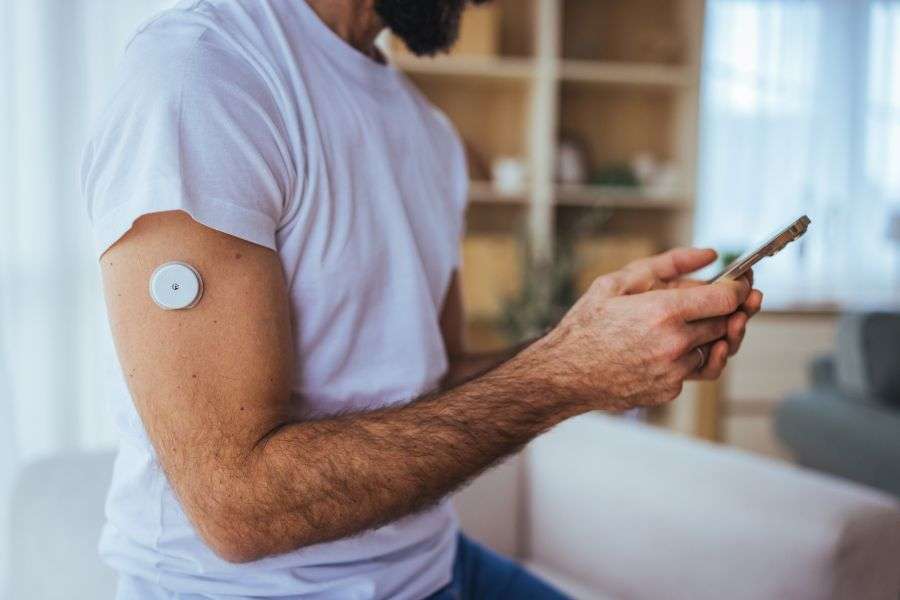
The researchers designed the system to operate through a closed-loop control mechanism. A glucose sensor continuously monitors glucose levels in the body’s tissues and communicates readings to a smartphone or smartwatch. When glucose levels rise above a defined threshold, the device activates the catalyst. It switches off automatically when glucose levels return to the desired range.
Fussenegger said: “For decades, we have treated diabetes by telling the body how to manage glucose. We are now showing that we can take control of glucose directly, using electronics rather than drugs.”
Glucose regulation demonstrated in laboratory and animal experiments
The research team first tested the catalyst in a five-litre reservoir containing a glucose solution, approximately equivalent to the volume of blood in an adult human body. The experiment demonstrated that the system could convert glucose in the solution.
The researchers then tested the implant in diabetic mice. According to the study, the device regulated blood glucose levels and was well tolerated during six weeks of operation. The animals also lost weight.
The researchers reported no evidence of tissue damage caused by electrical or thermal effects during the experiments.
However, the findings remain preclinical. The implant has not been tested in humans, and further research will be needed to establish its safety, effectiveness and suitability for clinical use.
The weight loss observed in mice is an experimental finding and does not establish that the technology would help people with type 2 diabetes lose weight. Similarly, the study does not demonstrate that the implant prevents long-term complications associated with diabetes.
Researchers plan to develop a medical device
The team intends to develop the experimental system into a medical device. The researchers believe that using inorganic materials rather than cells or enzymes could simplify some aspects of technical development, although manufacturing, safety and regulatory requirements will still need to be addressed.
The technology could represent a new direction for glucose management if future studies demonstrate that the system can operate safely and reliably in people.
The research was published in Science on 22 October 2026 under the title Wireless electrocatalytic closed-loop system for drug-free management of diabesity.
The next stages of development will need to establish whether the approach can move beyond laboratory and animal experiments towards clinical testing.