Ryvu reports preclinical results for novel ADC payload
Ryvu Therapeutics has reported preclinical results for RVU602, an experimental antibody-drug conjugate (ADC) payload designed to overcome resistance to existing cancer treatments.
The company presented data at the World ADC Congress 2026 showing that an ADC combining RVU602 with a TROP2-targeting antibody produced complete responses in all treated animals in a triple-negative breast cancer xenograft model.
The findings could support further development of ADCs using payloads with mechanisms of action different from those found in most approved and late-stage treatments.
A different approach to ADC payloads
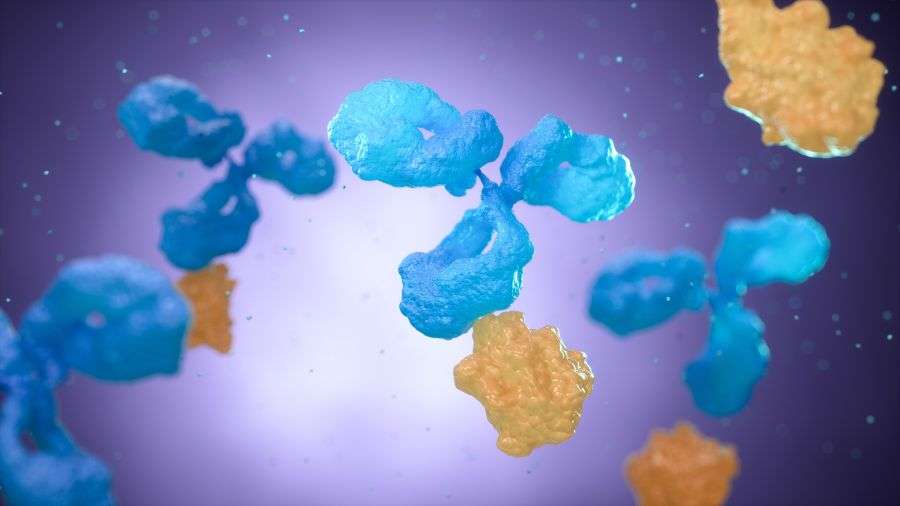
ADCs combine an antibody that recognises a target on cancer cells with a cytotoxic payload designed to kill those cells. Many established ADCs use either topoisomerase I (TOPO1) inhibitors or microtubule inhibitors as their payloads.
However, resistance to these drugs and the activity of drug efflux transporters can limit treatment effectiveness. Ryvu says RVU602 has a different mechanism of action and is largely unaffected by P-glycoprotein (P-gp)-mediated drug efflux.
The company also reports that RVU602 retained activity in models resistant to TOPO1 inhibitors. These characteristics could make the payload relevant to research into ADCs intended to address some limitations of existing approaches.
Krzysztof Brzózka, chief scientific officer at Ryvu Therapeutics, said: “RVU602 is the first payload from our ADC discovery platform and a strong validation of our phenotypic, patient-derived approach to payload discovery. Rather than optimizing yet another topoisomerase or tubulin inhibitor, we set out to find a genuinely new mechanism.”
Complete responses in a breast cancer model
In the reported in-vivo experiment, a sacituzumab-based ADC targeting TROP2 and carrying RVU602 achieved complete responses in 100% of animals treated at 10 mg/kg once weekly in an HCC70 triple-negative breast cancer xenograft model.
The result provides an early indication of antitumour activity, but it remains preclinical evidence. The supplied announcement does not specify the number of animals involved or the duration of the responses, and the findings do not establish whether the approach will be effective or safe in humans.
Ryvu also reported that RVU602 had been conjugated to four antibodies targeting TROP2, EGFR, c-MET and HER2. The resulting ADCs demonstrated sub-nanomolar potency and complete tumour-cell killing in vitro, according to the company.
The results suggest that the payload could be investigated across multiple antibody targets. Further studies will be needed to establish its therapeutic window, safety profile and performance in additional disease models.
Potential to combine ADCs with immunotherapy
Another reported property of RVU602 is its potential to induce immunogenic cell death, a process in which dying cancer cells can trigger immune responses. If confirmed in further studies, this could provide a rationale for investigating combinations with immunotherapies.
Brzózka said: “RVU602 not only kills tumor cells that are resistant to today’s leading ADC payloads, but also triggers immunogenic cell death, which opens the door to rational combinations with immunotherapy. Complete responses in all animals treated with our TROP2-directed ADC are a very encouraging in-vivo proof of concept.”
The findings were presented at the World ADC Congress, held in San Diego from 12–15 October 2026.
RVU602 remains at the preclinical research stage. Independent validation and further studies will be needed to determine whether its distinct mechanism, reported activity in resistant models and potential immunomodulatory effects translate into a meaningful advantage over existing ADC payloads.