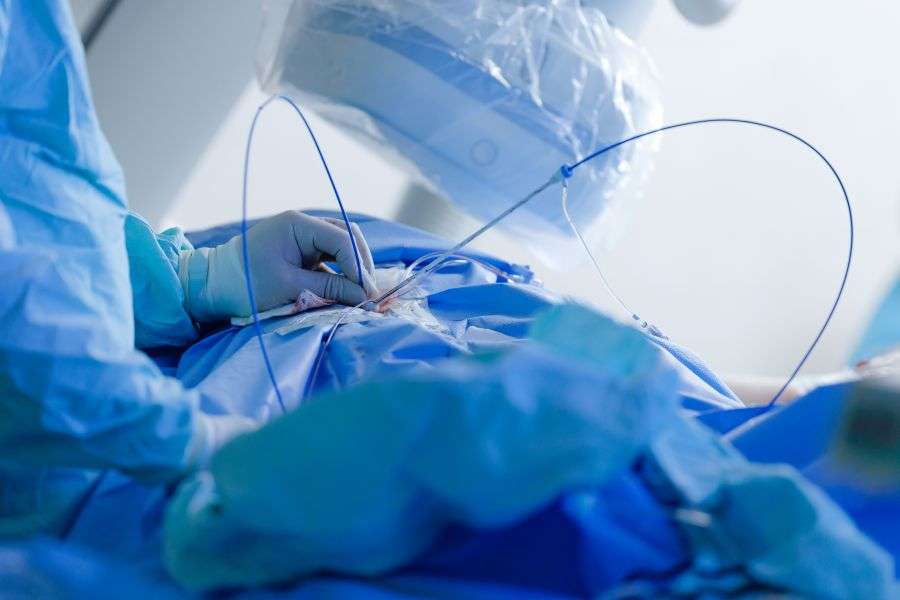

Genetically engineered pig liver enters first-in-human trial for patients with no transplant option
OrganOx and eGenesis launch human trial of a genetically modified pig liver device to support patients with acute liver failure who cannot receive a transplant.
A first-in-human clinical trial has been launched in the United States to evaluate a liver perfusion system that uses a genetically engineered porcine liver for patients with acute liver failure who are not eligible for transplantation.
The investigational device, developed through a collaboration between UK-based OrganOx and US-based eGenesis, aims to provide temporary life-sustaining liver function by circulating a patient’s blood through a genetically modified pig liver outside the body. The liver is housed in OrganOx’s metra perfusion system, which is already in clinical use for preserving human donor livers prior to transplant.
The study marks the first time a genetically engineered pig liver has been used in a clinical setting to support human liver function. The trial is designed to test both the safety and feasibility of the device in critically ill individuals for whom standard treatment options have been exhausted.
Mike Curtis, CEO of eGenesis, said: “This trial marks a significant step forward in our efforts to address the critical need for liver support options in patients with acute liver failure. By combining eGenesis’ expertise in genetic engineering with OrganOx’s perfusion technology, we are taking a major step toward making xenotransplantation a clinical reality.”
Craig Marshall, CEO of OrganOx, added: “We are proud to contribute to this groundbreaking work, which has the potential to transform the treatment landscape for liver failure. This collaboration demonstrates how advanced perfusion systems and gene editing technologies can be integrated to offer new solutions for critically ill patients.”
The porcine liver used in the device has been genetically modified to remove specific genes that trigger rejection and to incorporate human genes that promote compatibility. The companies said the technology builds on a body of preclinical research, including studies in non-human primates, which demonstrated extended survival and organ function.
The clinical trial is being conducted under the oversight of the U.S. Food and Drug Administration and will begin by enrolling a small number of patients. These patients are ineligible for transplant and face extremely poor outcomes without alternative liver support.
According to the companies, the primary objective is to determine whether the system can serve as a bridge to recovery or transplantation by temporarily replacing liver function during acute episodes. It is not intended to function as a permanent solution or full organ replacement at this stage.
Future iterations of the technology could support further research into xenotransplantation and contribute to addressing the global shortage of donor organs.