Grifols doses first patient in Phase 3 alpha-1 therapy trial
Grifols has dosed the first participant in a Phase 3 clinical trial evaluating a subcutaneous formulation of Alpha1-Proteinase Inhibitor for people with alpha1-antitrypsin deficiency, a rare inherited condition that can lead to chronic obstructive pulmonary disease.
The global Swift-SC study will compare weekly subcutaneous doses of the investigational treatment with the current standard intravenous therapy, assessing whether the new formulation delivers comparable pharmacokinetics while maintaining safety and tolerability.
The open-label, multicentre, randomised, non-inferiority trial will evaluate two weekly doses of a 15% subcutaneous Alpha1-Proteinase Inhibitor formulation against corresponding standard intravenous doses in adults with alpha1-antitrypsin deficiency.
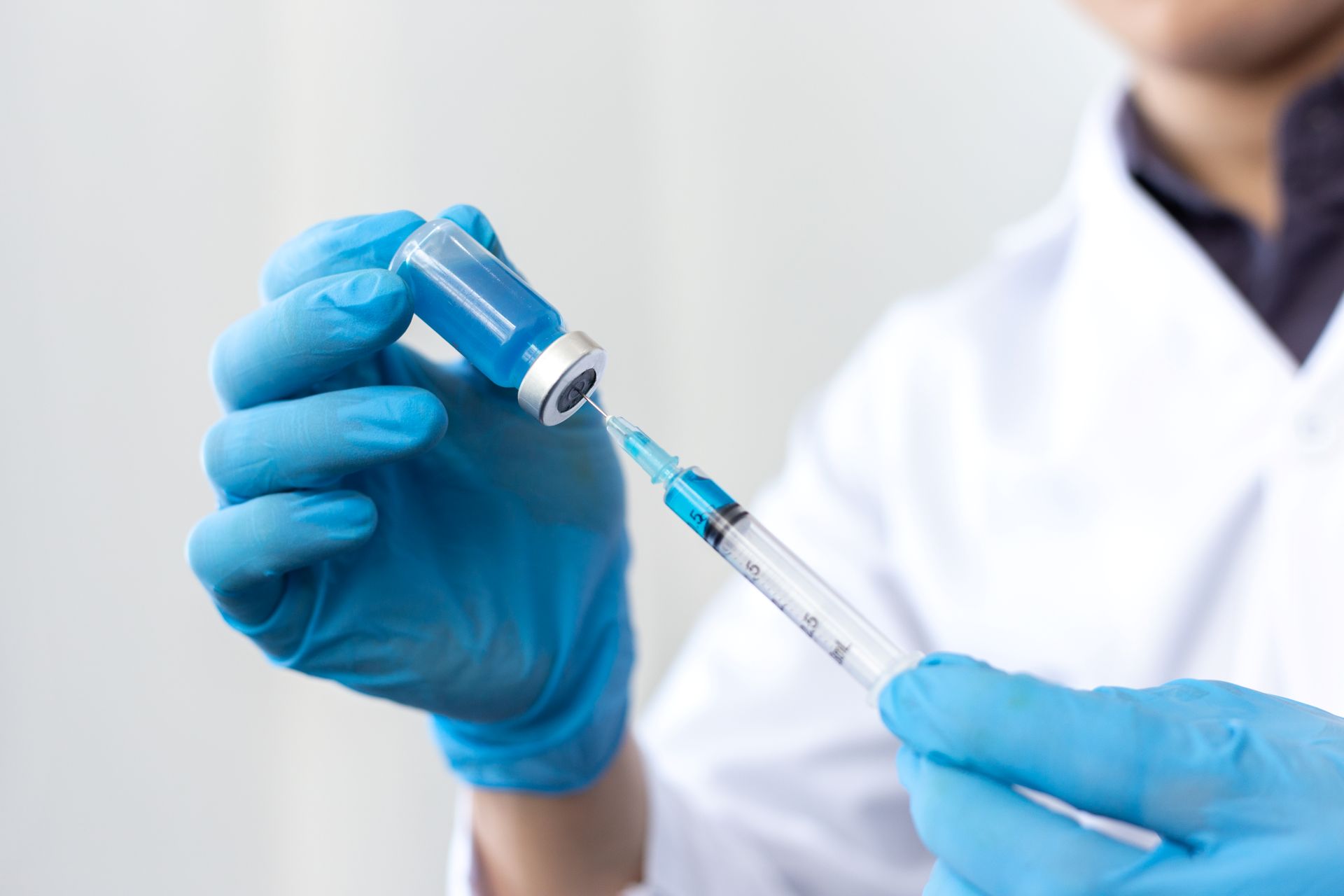
If successful, the study could offer patients an alternative to intravenous augmentation therapy through subcutaneous administration. The higher concentration formulation is designed to enable weekly dosing outside traditional clinical settings, potentially allowing patients to self-administer treatment at home.
Swift-SC is the first Phase 3 trial to investigate subcutaneous augmentation therapy for alpha1-antitrypsin deficiency. It follows completion of a Phase 1/2 study sponsored by Grifols, which supported advancement of the programme into late-stage clinical development.
Alpha1-antitrypsin deficiency is a genetic disorder caused by low levels of alpha1-antitrypsin, a protein that helps protect the lungs from inflammation. The condition is the best-known genetic risk factor for chronic obstructive pulmonary disease and can lead to emphysema and progressive loss of lung function.
Eduardo Herrero, evp biopharma industrial and scientific innovation at Grifols, said: “Advancing treatment approaches is an important step forward for patients living with alpha1-antitrypsin deficiency.
“With SWIFT-SC, we are exploring the potential to expand treatment options to deliver Alpha1-PI therapy in a way that best aligns with individual patient preferences.”
Subcutaneous administration has become an increasing focus across several therapeutic areas because it may reduce the need for hospital or infusion centre visits while offering greater flexibility for patients receiving long-term treatment.
Grifols’ investigational therapy contains Alpha1-Proteinase Inhibitor at a concentration approximately three times higher than the company’s standard intravenous formulation, making subcutaneous delivery feasible while maintaining weekly dosing.
The Swift-SC programme forms part of the company’s wider research strategy in alpha1-antitrypsin deficiency. It complements the ongoing Sparta Phase 3 study, which is evaluating the impact of plasma-derived augmentation therapy on lung density using computed tomography imaging.
According to Grifols, Sparta is the largest prospective, randomised, double-blind, placebo-controlled study of its kind in alpha1-antitrypsin deficiency. The company expects the study to complete during the second half of this year, with top-line results anticipated before the end of 2026.
Together, the two studies are intended to expand the evidence base for augmentation therapy while exploring more flexible treatment approaches for patients living with the rare genetic disease.