Kinesin-2 motor variants shown to control cargo transport in neurons
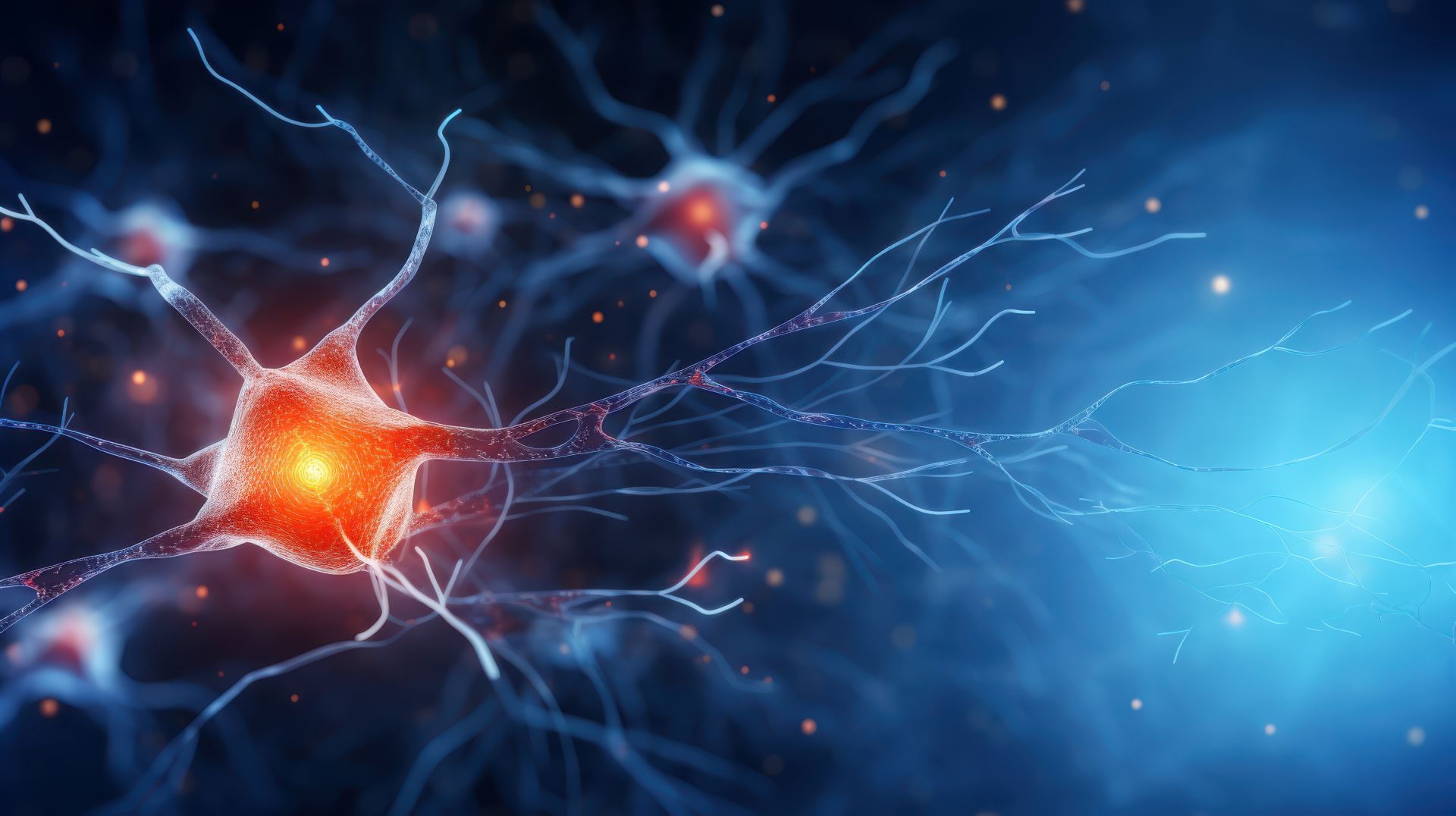
Researchers in Japan have identified distinct kinesin-2 motor protein assemblies that selectively transport cargo within neurons, revealing a mechanism underlying intracellular transport specificity.
The study shows that a KIF3B/B/KAP3 kinesin-2 complex is responsible for transporting the protein TRIM46 to the axon initial segment, a key site for neuronal signalling.
The findings, published in the Journal of Cell Biology, provide evidence that kinesin-2 motors exist as multiple functional assemblies rather than a single uniform complex, with composition determining cargo specificity.
Nobutaka Hirokawa said: “While many studies have revealed how kinesin motor proteins move along microtubules, a key unanswered question has been how they recognize and selectively transport specific cargo molecules.”
Using a combination of neuronal cell biology, biochemical reconstitution and structural analysis, the researchers examined how different kinesin-2 complexes behave in neurons. Experiments in cultured neurons and mouse brain tissue showed that distinct motor assemblies have different cargo-binding roles.
The team identified a non-canonical KIF3B/B/KAP3 complex that preferentially associates with TRIM46, a protein required for establishing neuronal polarity. When KIF3B was depleted, TRIM46 failed to localise to the axon initial segment despite unchanged overall protein levels, indicating a transport defect rather than reduced expression.
Further structural analysis suggested that differences in the tail regions of kinesin-2 motors may determine how cargo molecules are recognised and transported.
Hirokawa added: “Neurons provide a particularly compelling system to study this because they require extremely precise intracellular transport to maintain their highly polarized structure.”
Accurate protein delivery is essential for neuronal function, particularly in highly polarised cells such as neurons, where proteins must be directed to specific compartments including axons and dendrites. Disruption of these processes has been linked to a range of neurological and neurodevelopmental disorders.
The identification of cargo-specific motor assemblies provides new insight into how intracellular transport is regulated at a molecular level and may help explain how defects in these systems contribute to disease.
The findings also establish a framework for further research into how motor protein diversity supports cellular organisation, particularly in complex cell types such as neurons.