Lonza signs first license deal for NeuroPortal blood-brain barrier technology
Lonza has signed its first license agreement for its NeuroPortal blood-brain barrier technology, granting China Medical System global rights for up to two neurodegenerative disease products.
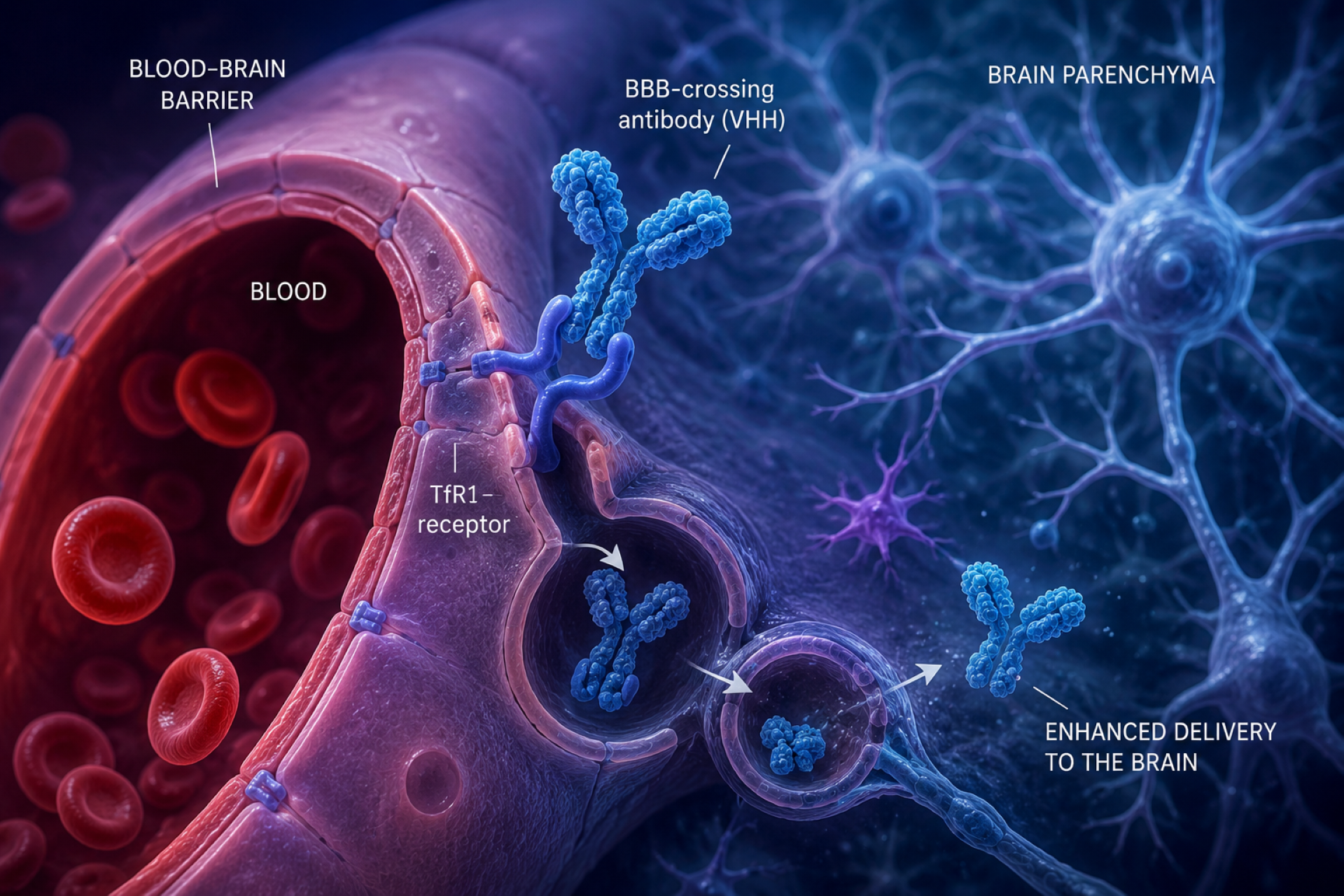
The agreement gives CMS access to Lonza’s transferrin receptor 1 (TfR1) platform, which is designed to help therapeutic molecules cross the blood-brain barrier (BBB). Financial terms were not disclosed.
First external license for NeuroPortal platform
The blood-brain barrier protects the brain by restricting the passage of substances from the bloodstream into brain tissue. While this helps prevent harmful agents from entering the central nervous system (CNS), it also limits the delivery of many potential medicines.
Lonza’s NeuroPortal TfR1 technology is designed to address this challenge through binding variants with different affinities for the transferrin receptor. These allow developers to investigate how receptor engagement affects transport across the BBB and the resulting exposure of a therapeutic molecule in the brain.
The platform can be used with different delivery approaches, including genetic fusion to an antibody or other protein and bioconjugation. This flexibility is intended to help developers tailor the delivery strategy to the characteristics of individual therapeutic candidates.
Under the agreement, CMS receives global exclusive rights to use the technology for up to two products targeting neurodegenerative diseases. The announcement does not identify the specific disease targets or therapeutic molecules.
Lonza will receive an upfront payment, development and commercial milestones, and royalties on net sales. It will retain the ability to license NeuroPortal TfR1 for other therapeutic programmes, meaning the agreement does not restrict access to the platform across the wider CNS drug development market.
Preclinical studies support brain delivery approach
Lonza said its NeuroPortal TfR1 technology outperformed a leading industry benchmark in preclinical studies, both as an immunoglobulin G (IgG) fusion and when combined with its GlycoConnect platform.
GlycoConnect is Lonza’s bioconjugation technology, which is designed to support the attachment of drug payloads to antibodies. Combining the two platforms could provide developers with additional options for delivering biologics across the BBB.
The company also offers expertise in protein expression, bioconjugation and developability to support customers evaluating CNS delivery strategies.
However, the evidence described in the announcement is preclinical. The reported comparison does not establish that NeuroPortal will improve drug delivery or clinical outcomes in patients, and further development will be needed to demonstrate its potential in specific therapeutic programmes.
Detailed results from the platform were due to be presented at the 18th annual Protein & Antibody Engineering Summit (PEGS) in Lisbon, Portugal, from 16–19 November 2026.
Lonza retains licensing opportunities for other targets
Peter Droc, head of licensing at Lonza, said: “NeuroPortal™ TfR1 technology is designed to help optimize delivery of therapeutics to the brain, and gives developers flexibility to explore genetic fusion or bioconjugation approaches, tailoring the delivery strategy to the needs of their therapeutic molecule.”
He added that delivering therapeutic molecules across the BBB remains a critical challenge in developing treatments for neurodegenerative diseases.
For CMS, the agreement provides access to a platform that could support the development of biologics for conditions where getting medicines into the brain is a major obstacle.
The deal also marks the first external license for Lonza’s newly acquired NeuroPortal platform. By retaining licensing availability for other targets, Lonza can continue to pursue partnerships with companies developing treatments for a wider range of neurological conditions.
The agreement does not disclose development timelines or when the first CMS programmes using the technology might enter clinical testing.