M42’s Imperial College London Diabetes & Endocrine Centre and Medtronic to establish Middle East automated insulin delivery centre
M42’s Imperial College London Diabetes & Endocrine Centre and Medtronic have signed a memorandum of understanding to establish a Middle East Centre of Reference for automated insulin delivery, aimed at expanding regional access to advanced diabetes technologies through structured training and clinical collaboration.
The agreement was announced on the sidelines of the DistinctPRO Diabetes Innovation Summit 2026 in Dubai and formalises a strategic partnership between the two organisations to strengthen capabilities in insulin pump therapy and automated insulin delivery across the Middle East.
The Centre of Reference will focus on developing care pathways, supporting healthcare professional education and facilitating the exchange of clinical expertise. By building long-term capacity for advanced diabetes and metabolic care, the initiative is intended to support healthcare systems across the region as demand for technology-enabled diabetes management continues to grow.
Diabetes remains a significant public health challenge across the Middle East and North Africa, with prevalence among the highest globally. International clinical guidance has increasingly recognised the role of automated insulin delivery systems in improving glycaemic control, particularly in people with type 1 diabetes, while insulin pump therapy is also gaining traction for selected people with type 2 diabetes.

Through the Centre of Reference, Imperial College London Diabetes & Endocrine Centre will work with Medtronic to support the adoption of automated insulin delivery through hands-on training, shared clinical protocols and peer-to-peer education. The collaboration aims to ensure that clinicians across the region are equipped to implement these technologies safely and effectively in routine care.
Mai Ahmed Al Jaber, chief executive officer, outpatient care, M42, said: “Becoming a Centre of Reference for Automated Insulin Delivery reflects ICLDEC’s long-term commitment to advancing diabetes care through innovation, education, and collaboration.”
She added: “Our partnership with Medtronic underscores a shared focus on developing practical, scalable models that strengthen care delivery and support improved outcomes for people living with diabetes across the region and beyond.”
Medtronic said the partnership aligns with its strategy to expand access to established automated insulin delivery systems in emerging and high-growth markets. Hülya Tiner, vice president for strategic marketing for Medtronic in the EurAsia region, said: “At Medtronic, we aim to improve outcomes for people living with diabetes by making innovative technologies more accessible.”
She added: “Partnering with ICLDEC to establish a Centre of Reference for Automated Insulin Delivery strengthens our commitment to expanding access to proven, intelligent insulin delivery solutions in the Middle East.”
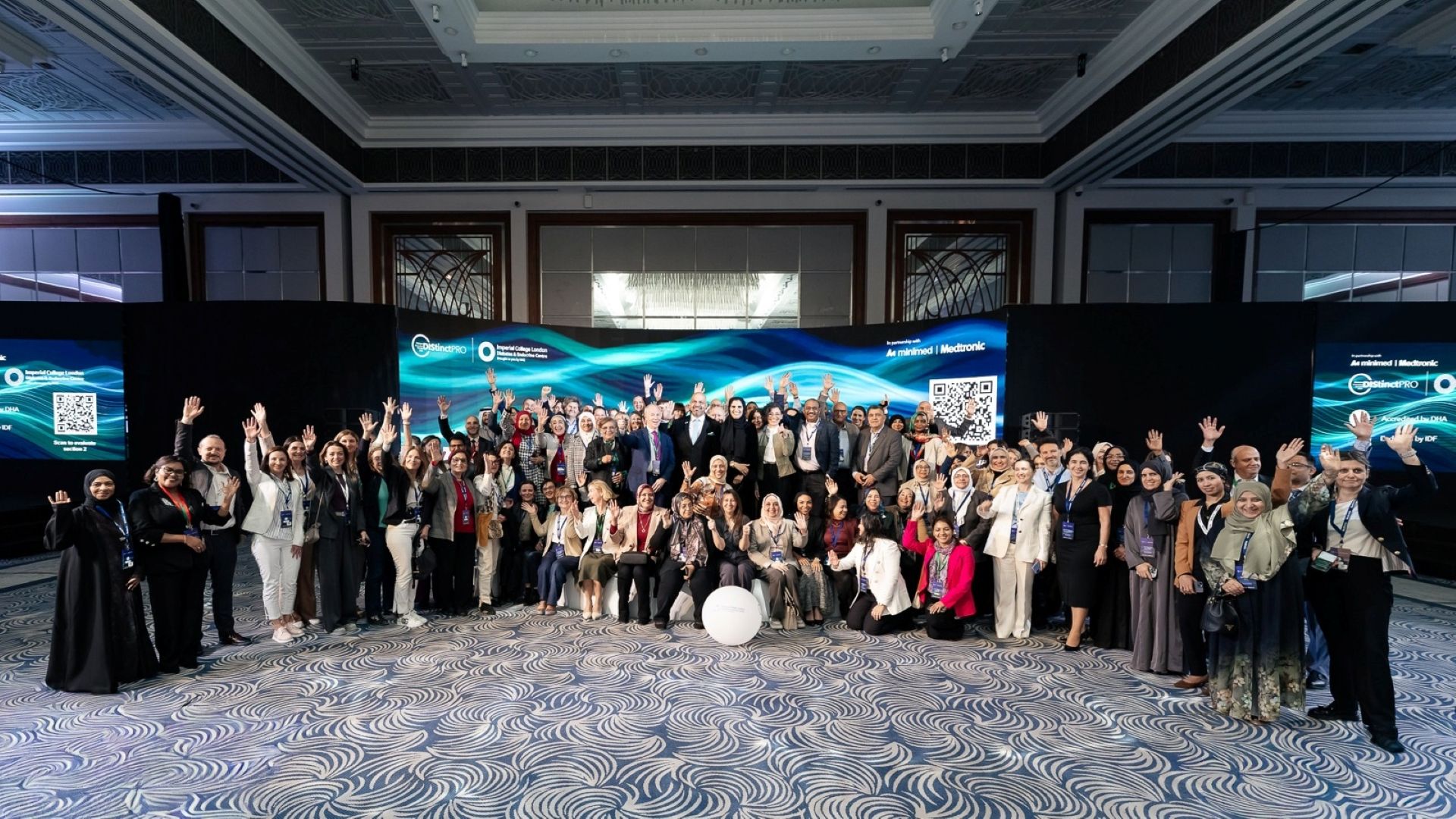
The memorandum of understanding was announced during the fourth edition of the DistinctPRO Diabetes Innovation Summit, a Dubai Health Authority-accredited and International Diabetes Federation-endorsed meeting. The two-day event brought together around 150 clinicians, researchers and healthcare leaders from the Middle East, Central and Eastern Europe, Australia and other international markets.
The scientific programme was developed by a joint Imperial College London Diabetes & Endocrine Centre and Medtronic committee and covered topics including automated insulin delivery, time-in-range optimisation, AI-enabled clinical decision-making, digital health platforms and technology-enabled care for specific patient populations. Sessions included plenaries, panel discussions and practical masterclasses focused on real-world implementation.
Hosted at the Hilton Dubai Al Habtoor City, the summit highlighted Dubai’s growing role as a regional hub for diabetes innovation and professional education. The event also reinforced Imperial College London Diabetes & Endocrine Centre’s position as a regional centre for advanced diabetes technology, research and clinical training.
Both organisations said the Centre of Reference is intended to serve as a platform for sustained collaboration, supporting the evolution of personalised, data-driven diabetes care models that can be adapted across diverse healthcare settings in the Middle East.