Nicotinamide riboside shows promise in rare premature aging disease
Researchers in Japan have reported encouraging findings from the first clinical trial investigating the use of nicotinamide riboside in patients with Werner syndrome, a rare and currently untreatable condition that causes accelerated aging. The trial found that supplementation with nicotinamide riboside, a vitamin B3 derivative, led to improvements in cardiovascular health, skin ulceration and kidney function.
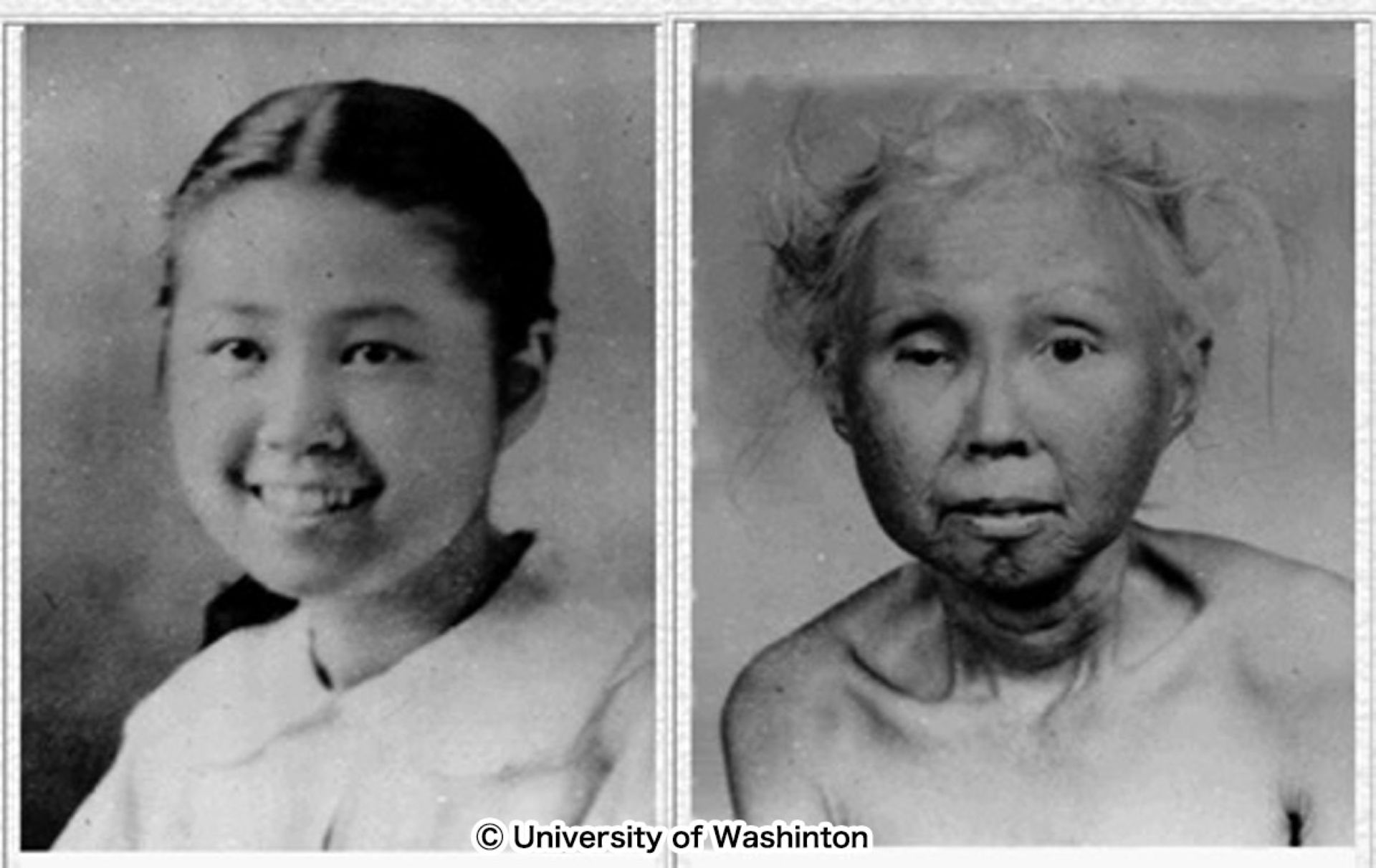
Werner syndrome is a rare genetic disorder that causes individuals to experience features of aging from a young age. Patients typically begin showing symptoms in their twenties, including gray hair, cataracts, diabetes and osteoporosis. Many also suffer from severe skin ulcers, which can lead to limb amputation, and most die early from cancer or cardiovascular disease. The condition affects approximately nine per million people in Japan and currently has no approved treatment.
Previous research from the Bohr lab, published in Nature Communications in 2019, indicated that patients with Werner syndrome have reduced levels of nicotinamide adenine dinucleotide (NAD+), a key molecule involved in energy metabolism, DNA repair and other essential cellular functions. While direct NAD+ supplementation is not possible in humans, nicotinamide riboside, a precursor to NAD+, has demonstrated benefits in preclinical models. Studies in animals have shown it can improve lifespan and reduce age-related decline, and in humans it has been linked to improved metabolic and muscular function. However, its effects in patients with Werner syndrome had not been tested until now.
Led by Associate Professor Masaya Koshizaka at Chiba University, a team of researchers carried out a randomized, double-blind, placebo-controlled clinical trial in patients with Werner syndrome. The trial, published on June 3, 2025, in Aging Cell, was conducted in collaboration with scientists including University President Koutaro Yokote, Assistant Professors Hisaya Kato and Mayumi Shoji, Associate Professor Yoshiro Maezawa, and Affiliate Professor Vilhelm Bohr of the University of Copenhagen.
The crossover trial involved patients receiving either nicotinamide riboside or placebo daily for 26 weeks, before switching treatments. Researchers assessed multiple endpoints, including blood NAD+ levels, arterial stiffness, skin ulcer area and kidney function.
Patients treated with nicotinamide riboside showed significantly increased NAD+ levels in blood. Clinically meaningful improvements were also seen in cardiovascular health, as indicated by reduced arterial stiffness. The area of skin ulcers was reduced and the rate of kidney function decline was slowed, with no serious adverse events reported. Metabolomic analysis of blood samples also revealed reductions in creatinine and other compounds associated with renal dysfunction.
Dr Yasmeen Nkrumah-Elie, global director of the external research programme at Niagen Bioscience, which supported the study, said: “This study represents a significant step forward in understanding how NAD+ restoration with NR may help address the underlying biology of WS. By supporting cardiovascular, skin, and kidney health, NR shows potential to improve the quality of life for patients with this devastating condition. We are proud to support Chiba University’s groundbreaking research as part of our ongoing commitment to advancing NAD+ science for rare and underserved diseases.”
Dr Koshizaka added: “Our findings suggest NR could serve as a valuable treatment option for two major symptoms, arteriosclerosis and skin ulcers, as well as for preventing kidney function decline.”
Given that skin ulcers affect more than 70 percent of patients with Werner syndrome and cardiovascular disease is a major contributor to early death in this population, these results are particularly significant. Although larger studies are needed to validate the findings, this work offers new hope for patients and highlights the potential of NAD+ boosting strategies in rare diseases and broader aging-related conditions.
“We hope our work will accelerate studies on not only WS but also other premature aging disorders and common age-related diseases—ultimately helping to extend health span and improve quality of life in both patients and the broader population,” said Dr Koshizaka.