Nobel Prize in Chemistry 2026 recognises discoveries in asymmetric synthesis
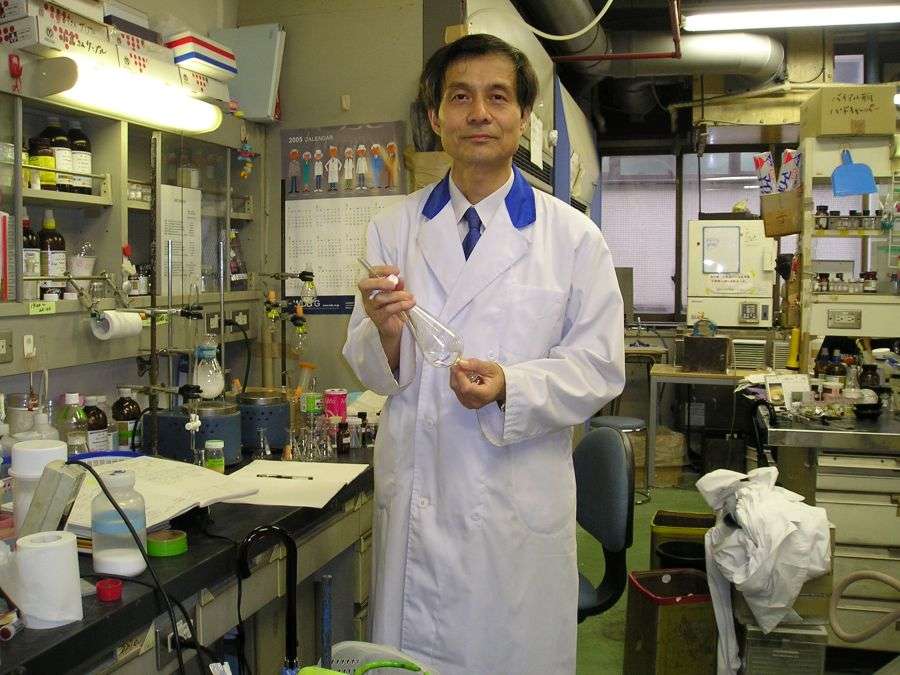
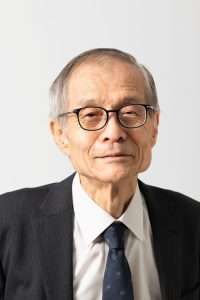 Henri B Kagan and Kenso Soai have been awarded the 2026 Nobel Prize in Chemistry for discoveries explaining how chemical reactions can produce molecules with a single mirror-image structure.
The Royal Swedish Academy of Sciences recognised the researchers for their work on non-linear effects and autocatalysis in asymmetric organic synthesis, addressing a longstanding question about how chemical asymmetry can emerge.
Their discoveries have helped chemists develop reactions that favour one molecular form over its mirror image, an important capability in pharmaceutical manufacturing and drug development.
Why molecular chirality matters in drug development
Many molecules exist in two forms that are mirror images of one another, a property known as chirality.
Although these structures contain the same atoms and chemical bonds, their three-dimensional arrangements differ. The distinction can have important biological consequences because molecules interact with other biological structures, including proteins and receptors, in a highly specific way.
A familiar example is amino acids, the building blocks of proteins. While amino acids can exist in two mirror-image forms, proteins in living organisms predominantly use one configuration.
This characteristic is known as homochirality.
The same principle matters when developing pharmaceuticals. Two mirror-image forms of a drug molecule can interact differently with biological targets, potentially producing different therapeutic effects or safety profiles.
Consequently, pharmaceutical chemists seek ways to control which molecular form is produced during chemical synthesis.
Kagan and Soai advanced asymmetric synthesis
Kagan made an important contribution in 1986 by discovering a way to manipulate chemical reactions to produce a greater excess of one mirror-image form than had previously been considered possible.
Soai subsequently advanced the field through research into autocatalytic reactions, in which a reaction product helps catalyse the formation of more of itself.
A key publication in 1995 described a chemical reaction with the potential to achieve homochirality. In 2003, Soai demonstrated a reaction in which only one of the two possible mirror-image forms was produced.
The findings demonstrated how chemical reactions could amplify small differences in molecular asymmetry and produce a strongly biased outcome.
According to the Nobel Committee, these discoveries provided a solution to a longstanding question about how homochirality can emerge spontaneously.
Heiner Linke, chair of the Nobel Committee for Chemistry, said: “Henri Kagan and Kenso Soai have provided a solution to a chemical mystery that is over a century old: how homochirality can emerge spontaneously.”
He added: “The chemical reactions they have developed are spectacular.”
Implications for pharmaceutical manufacturing
Controlling chirality is an important part of developing and manufacturing many pharmaceutical compounds.
The ability to favour one mirror-image form during synthesis can help manufacturers produce the desired molecular structure more efficiently and consistently.
Kagan and Soai’s discoveries have therefore contributed to the development of asymmetric synthesis, an area of chemistry focused on producing molecules with a specific three-dimensional configuration.
Their work has helped establish approaches that chemists can use when designing reactions for pharmaceutical production and other applications involving biologically active molecules.
The 2026 Nobel Prize in Chemistry is worth 12 million Swedish kronor, to be shared equally between the two laureates.