SalubrisBio reports JK06 results across three cancer types
SalubrisBio has reported Phase 1b/2 results for its investigational antibody-drug conjugate JK06, including response rates of 22% in squamous lung cancer and 33% in breast and cervical cancers.
JK06 targets 5T4 in solid tumours
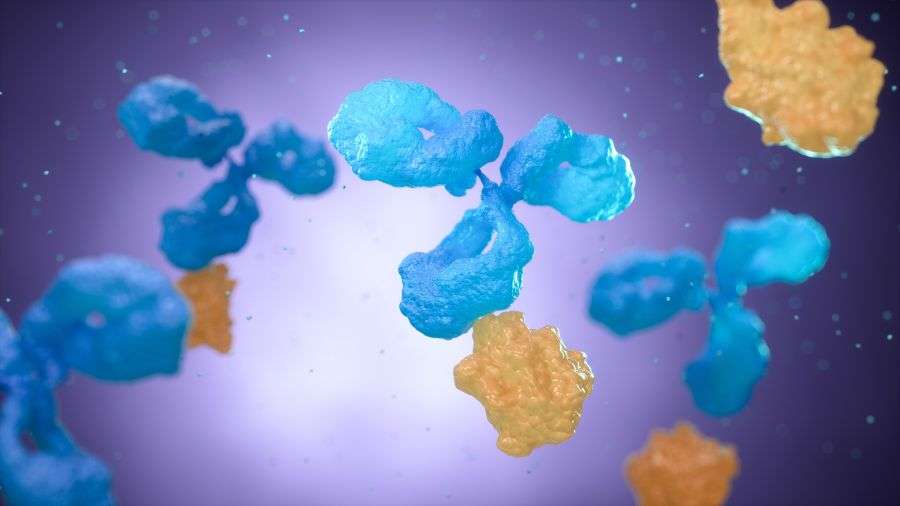
Salubris Biotherapeutics has reported updated Phase 1b/2 clinical trial data for JK06, an investigational antibody-drug conjugate (ADC) targeting the 5T4 protein in patients with advanced solid tumours.
The treatment combines a 5T4-targeting antibody with monomethyl auristatin E (MMAE), a cytotoxic payload designed to kill cancer cells. The company is investigating JK06 in patients with unresectable locally advanced or metastatic cancers, including non-small cell lung cancer (NSCLC), breast cancer and cervical cancer.
As of 21 September 2026, 249 patients had received JK06 in the ongoing study. Of these, 230 had been treated at doses ranging from 3.7 to 5.2 mg/kg, the target dose range used for the reported safety analysis.
Among 32 response-evaluable patients with squamous NSCLC, the objective response rate (ORR) was 22%, with seven patients responding to treatment. The disease control rate was 84%, while median duration of response was 22.6 weeks and median progression-free survival (PFS) was 22.1 weeks.
The findings come from an open-label Phase 1b/2 study, which has completed dose escalation and is continuing with tumour-specific expansion cohorts. These include monotherapy and combination treatment groups.
The trial is also evaluating JK06 in patients with other NSCLC subtypes, hormone receptor-positive (HR+) breast cancer, cervical cancer and other tumours expressing 5T4.
Response rates across cancer types
In addition to the squamous NSCLC results, SalubrisBio reported an ORR of 22% among 23 response-evaluable patients with non-squamous NSCLC without genomic alterations. The disease control rate in this group was 61%.
Among 21 response-evaluable patients with EGFR-mutant NSCLC, the ORR was 19% and the disease control rate was 57%.
In HR+ breast cancer, nine of 27 response-evaluable patients responded to treatment, giving an ORR of 33%. The disease control rate was 59%.
The cervical cancer cohort also recorded an ORR of 33%, with six of 18 response-evaluable patients responding. The disease control rate was 72%.
These results are preliminary. The number of response-evaluable patients in each cancer subgroup remains small, and the study does not include a randomised control group to establish whether JK06 performs better than existing treatments.
Sam Murphy, CEO of Salubris Biotherapeutics, said: “We are excited to present these updated Phase 1b/2 results, which further underscore the potential benefit JK06 can offer patients across various subtypes of NSCLC, breast cancer, and cervical cancer.”
Murphy added that the company intends to continue evaluating JK06 as a single-agent treatment and in combination with immune and targeted therapies.
Safety findings across 230 patients
The safety analysis included 230 patients treated within the target dose range, with a median follow-up of 35 weeks.
Treatment-related adverse events were predominantly low grade. The most frequently reported were alopecia, affecting 23% of patients; peripheral neuropathy, affecting 17%; fatigue, affecting 16%; and asthenia, affecting 15%.
Grade 3 or higher treatment-related adverse events occurred in 9% of patients. These included keratitis in six patients (3%), peripheral neuropathy in four patients (2%), and two cases each of asthenia, fatigue and neutropenia (1% each).
Two Grade 4 treatment-related adverse events were reported, with no Grade 5 events.
Dose reductions were required in 27 patients (12%), while 12 patients (5%) discontinued treatment because of treatment-related adverse events.
Although these findings provide an early indication of JK06’s tolerability, longer follow-up and further clinical studies will be needed to establish its safety profile and determine how it compares with other ADCs.
The results were presented at the European Society for Medical Oncology (ESMO) Congress 2026 in Madrid, Spain. The study is registered under ClinicalTrials.gov identifier NCT06667960.