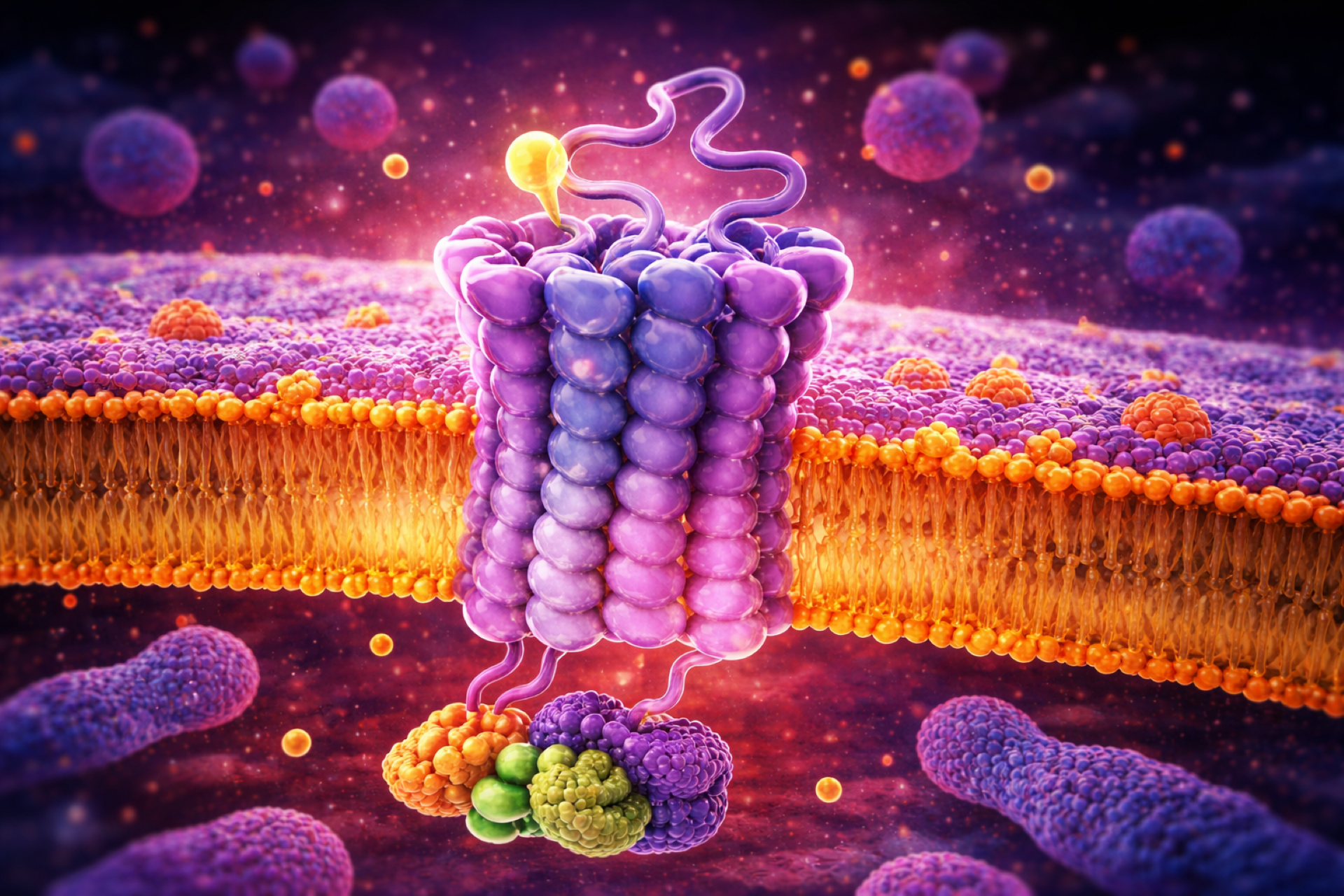
Nuclera launches GPCR nanodisc panel to address membrane protein bottleneck in drug discovery
Nuclera has launched a nanodisc panel designed to improve the production of G-protein coupled receptors (GPCRs), targeting a long-standing bottleneck in membrane protein research and drug discovery.
The panel is built to support both screening and scale-up of GPCR expression using the company’s eProtein Discovery platform, with the aim of enabling researchers to generate active membrane proteins in as little as 48 hours.
GPCRs remain one of the most important classes of drug targets, with around one third of approved medicines acting on these receptors. However, producing stable and functional GPCR proteins has continued to challenge researchers due to their reliance on membrane environments to maintain structure and activity.
Traditional approaches typically use detergent-based systems to extract membrane proteins, but these can disrupt protein structure and reduce biological relevance. Nanodisc-based systems offer an alternative by providing a lipid bilayer environment that more closely mimics native cell membranes.
Nuclera’s panel includes multiple pre-assembled nanodisc combinations designed to test different lipid environments and scaffold proteins, allowing researchers to identify conditions that support protein stability and yield.
The system integrates with cell-free protein synthesis, enabling co-translational insertion of GPCRs into nanodiscs during production. This approach is intended to improve protein folding and functionality while reducing variability seen in conventional workflows.
Dr Audrey Dubourg, product manager at Nuclera, said: “Since releasing our membrane protein workflow in 2025, we have identified a huge potential in the market to support GPCR protein scientists. Our eProtein Discovery nanodisc panel empowers researchers to explore physiologically relevant environments validated for solubility, insertion and stabilization of membrane proteins.”
The company said the approach can increase protein yield while maintaining functionality, offering a more consistent route to generating active GPCRs for downstream applications.
Dr Michael Chen, chief executive officer and co-founder of Nuclera, added: “The release of our GPCR nanodisc panel addresses the pressure scientists face to rapidly produce functional membrane proteins. Integrated with eProtein Discovery, this capability equips researchers with a powerful approach to increase success rates in expressing active GPCRs.”
The launch reflects ongoing efforts across the industry to improve access to high-quality membrane proteins, which are critical for drug screening, structural biology and therapeutic development.
While nanodisc technologies are not new, their integration into automated and cell-free systems is emerging as a potential way to reduce timelines and improve reproducibility in early-stage drug discovery.