Remepy study links Hybridopa brain changes to improved Parkinson’s outcomes
Remepy has published new peer-reviewed findings showing that its investigational Parkinson’s disease therapy Hybridopa may improve structural brain connectivity alongside clinical outcomes, providing further evidence to support the programme’s planned Phase 3 trial.
The study, published in npj Parkinson’s Disease, expands on previously reported Phase 2a findings by demonstrating how Hybridopa was associated with measurable changes in brain structure linked to improvements in motor symptoms.
Hybridopa combines immediate-release levodopa/carbidopa with a personalised digital therapeutic delivered through a mobile application. The latest publication adds structural brain imaging data to earlier functional imaging results, providing additional evidence that the treatment engages brain networks involved in movement.
Researchers used diffusion tensor imaging alongside other advanced neuroimaging techniques to examine changes in white matter pathways in patients with Parkinson’s disease. Participants receiving Hybridopa showed changes in motor-related brain regions that were associated with improved clinical outcomes, while greater engagement with the digital therapeutic programme correlated with greater improvements in motor function.
The findings build on earlier Phase 2a results published in Brain Communications, which reported significant improvements in both motor and non-motor symptoms in patients receiving Hybridopa compared with levodopa and a placebo application.
Or Shoval, co-founder and co-chief executive officer of Remepy, said: “Our Phase 2a trial showed that Hybridopa delivers meaningful clinical improvements for people living with Parkinson’s disease.”
He added: “This publication helps explain the neural mechanisms underlying those effects. We demonstrate, for the first time, that combining levodopa with precisely structured, personalized, multimodal digital interventions is associated with measurable changes in brain structure and function that align with improved clinical outcomes.”
The research was conducted in collaboration with Reichman University and examined how combining pharmacological treatment with structured digital interventions may influence brain plasticity in Parkinson’s disease.
Amir Amedi, chief science officer at Remepy and professor at Reichman University, said: “Our findings suggest that a structured, multimodal approach engaging motor, cognitive, emotional, and sensory systems may help modulate these networks and promote neuroplastic changes that complement pharmacological treatment.”
Remepy said the combined clinical and mechanistic evidence strengthens the scientific rationale for advancing Hybridopa into a global Phase 3 clinical trial later this year.
Hybridopa remains an investigational therapy and has not been approved by regulatory authorities.
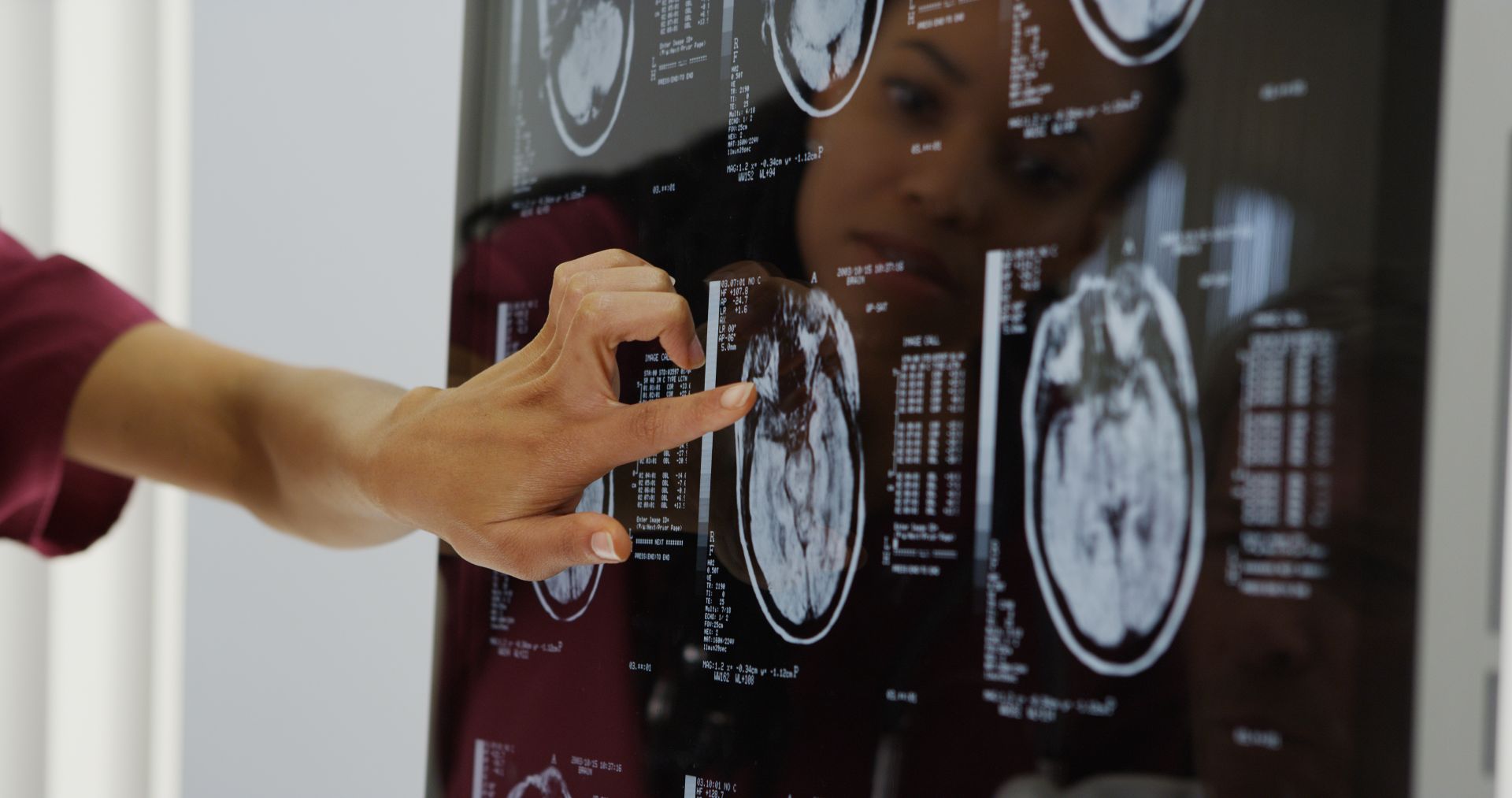
MRI brain scan alongside a clinician consulting a patient with Parkinson’s disease, or a researcher reviewing neuroimaging data.