Thermo Fisher expands Orbitrap mass spectrometry portfolio with new AI-enabled platforms at ASMS 2026
Thermo Fisher Scientific Inc. has announced a major expansion of its Orbitrap mass spectrometry portfolio at the American Society for Mass Spectrometry (ASMS) 2026 conference, introducing new instrumentation, software and workflow solutions designed to support research, drug development and applied laboratory testing.
The company said the latest upgrades are intended to help scientists handle increasingly complex biological samples and larger datasets, while improving the speed and confidence of analytical decision-making across the drug development lifecycle.
Among the new systems is the Orbitrap Tribrid Apex mass spectrometer, positioned as the company’s most powerful and versatile Orbitrap platform to date. It combines multiple mass analysis technologies and optional infrared laser fragmentation to improve structural characterisation of complex biological samples.
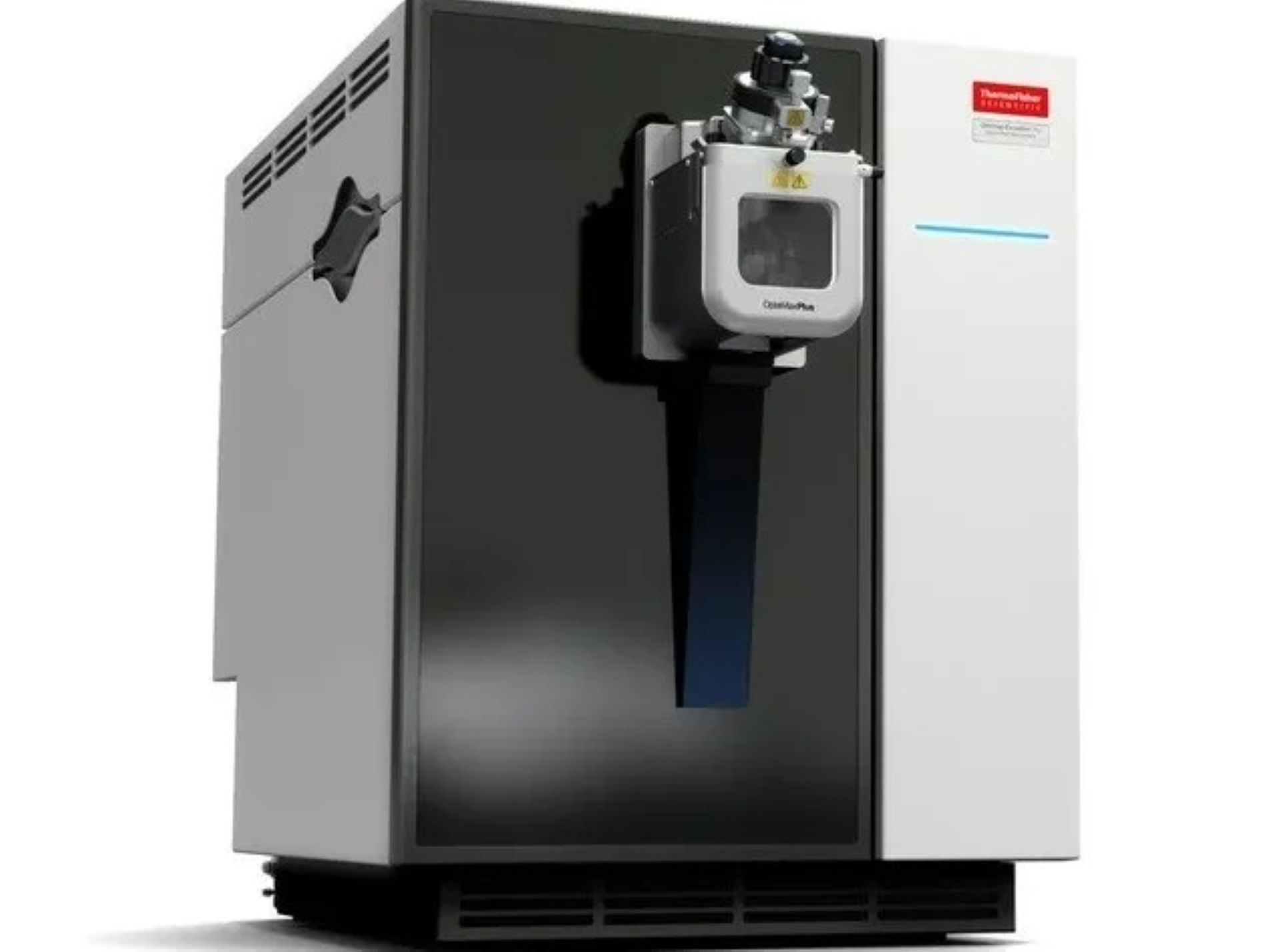
Thermo Fisher also introduced the Orbitrap Excedion mass spectrometer, designed for drug development applications including drug metabolism, peptides and oligonucleotides. The platform features enhanced dynamic range, with the company stating it can detect significantly more compounds in complex mixtures and improve reproducibility in large studies.
In addition, the Orbitrap Exploris GC S mass spectrometer has been developed for environmental and food safety testing, supporting ultra-trace detection of contaminants such as dioxins and persistent organic pollutants. The system is positioned as a high-resolution alternative for regulatory laboratories dealing with expanding contaminant lists.
Software and artificial intelligence features form a central part of the launch. New capabilities include Proteoform Studio, Proteome Discoverer 3.4 and BioPharma Finder 5.5, alongside recent acquisitions MSAID and Proteinaceous, which add machine learning and advanced bioinformatics tools for proteomics and protein characterisation workflows.
The company said these tools are intended to streamline data interpretation and reduce time-to-insight, particularly in complex proteomics and top-down protein analysis workflows.
In biopharma development, Thermo Fisher highlighted integrated workflows combining instrumentation, sample preparation and chromatography solutions. These include UHPLC systems designed to reduce sample loss in sensitive biologics, as well as new columns and kits for oligonucleotide and mRNA analysis.
The company also showcased the TSQ Certis triple quadrupole mass spectrometer for later-stage drug development and quality control, citing improvements in run time efficiency and maintenance intervals for complex biological matrices.
Environmental and applied testing applications were also a focus, with additional high-resolution screening tools for PFAS, pesticides and other emerging contaminants. These are designed to support laboratories under increasing regulatory pressure to detect a wider range of substances at lower concentrations.
Ronald Tabaksblat, president of chromatography and mass spectrometry at Thermo Fisher, said customers are increasingly seeking “decision-ready results” across both research and applied science, and that the expanded Orbitrap portfolio is designed to extend high-resolution capabilities across more stages of scientific and regulatory workflows.
The launch reflects a broader trend in analytical science towards integrated platforms that combine hardware, software and AI-driven interpretation tools, particularly in proteomics, biologics and environmental testing.
Overall, the announcement positions Thermo Fisher as continuing to consolidate its role in high-end analytical instrumentation, with a focus on increasing automation, data integration and throughput in complex laboratory environments.
Pic suggestion: researchers operating Orbitrap mass spectrometer system in modern analytical laboratory with connected data analytics screens