Thermo Fisher launches Glacios 3 cryo-TEM to expand access to structural biology imaging
Thermo Fisher Scientific has launched the Thermo Scientific Glacios 3 Cryo-TEM, a next-generation cryogenic transmission electron microscope designed to expand access to high-resolution structural biology imaging across a wider range of laboratory settings.
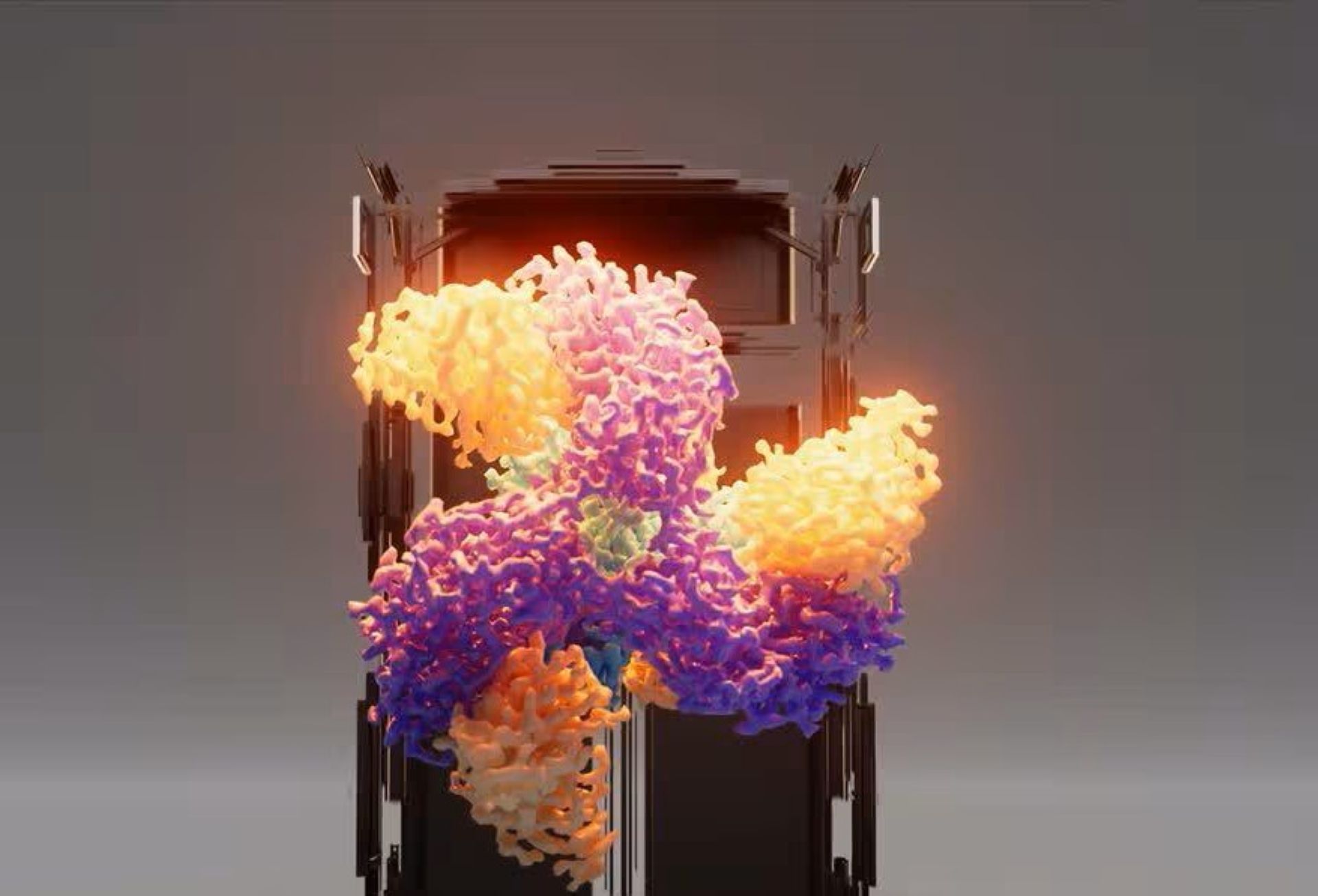
The system uses cryogenic electron microscopy (cryo-EM), a technique that flash-freezes biomolecules to capture them in their native state, enabling researchers to study biological structures at near-atomic resolution. The approach has become increasingly important in structure-based drug design and has contributed to advances in areas including respiratory syncytial virus (RSV) vaccines, GLP-1 therapies and HIV research.
The Glacios 3 Cryo-TEM is equipped with the Thermo Scientific READY System, which integrates vibration control and environmental stabilisation technologies intended to reduce the need for extensive laboratory renovation. This is designed to make installation feasible in a broader range of research environments.
The platform also incorporates AI-enabled software intended to improve cryo-EM workflows, increasing throughput and data quality compared with earlier-generation systems. According to the company, these enhancements aim to support more efficient structural analysis and faster experimental cycles.
Additional features support multiple cryo-EM applications, including single particle analysis, cryo-electron tomography (cryo-ET) and microcrystal electron diffraction (microED), expanding the range of structural biology techniques available on a single platform.
Steve Reyntjens, vice president and general manager of life sciences at Thermo Fisher Scientific, said: “The Glacios 3 Cryo-TEM opens the door for more institutions and researchers to harness the capabilities of cryo-EM, helping them tackle complex biological questions and enhance therapeutic development.”
He added: “This combination of advanced instrumentation and AI-powered workflows represents a step change in how scientists generate insights, which will accelerate the development of life-improving treatments.”
Researchers also highlighted the practical impact of the system’s redesigned enclosure and installation requirements.
Steve Smerdon, professor of structural biology at the University of Birmingham Department of Cancer and Genomic Sciences, said: “The improvements to the enclosure are particularly impressive, as they will allow greater flexibility in choosing a site for the instrument with potentially substantial reductions in refurbishment and running costs.”
Cryo-EM has become a key enabling technology in structural biology, supporting the development of biologics and small molecules by allowing researchers to visualise protein structures and molecular interactions in unprecedented detail.
By lowering infrastructure barriers and integrating automation and AI-driven analysis, the Glacios 3 platform reflects a broader industry shift towards more accessible high-end imaging technologies in drug discovery and life sciences research.