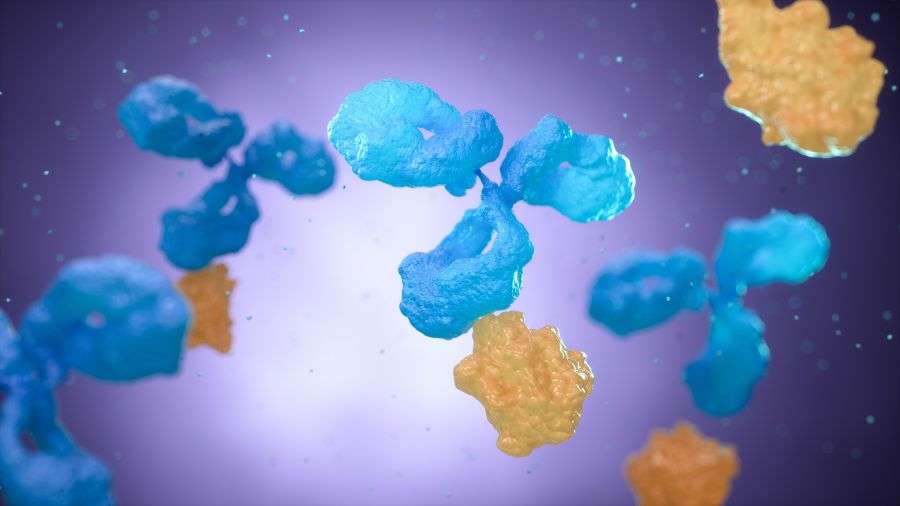

Why immunotherapy sometimes fails: Study reveals unintended effects of antibody design
A new study from researchers in Japan has uncovered a potential reason why some immune checkpoint inhibitors (ICIs) fail to deliver results: they may be targeting the wrong cells.
Checkpoint inhibitors, particularly those targeting the PD-L1 immune pathway, have transformed cancer treatment in recent years. But not all patients benefit equally, and failure rates remain high across many tumour types. New evidence now suggests that the way some antibodies are engineered — particularly their ability to activate antibody-dependent cellular cytotoxicity (ADCC) — may impair the immune system’s ability to fight off tumours by depleting essential antitumour T cells.
The research, led by assistant professor Yuta Tamemoto and Professor Hiroto Hatakeyama of Chiba University, compared two widely studied monoclonal antibodies that target PD-L1: MIH6 and 10F.9G2. While both are designed to block cancer’s ability to evade immune detection, only MIH6 delivered a significant tumour response in mouse models, inhibiting tumour growth by over 90%. In contrast, 10F.9G2 had only a minimal effect.
What explains the difference? It turns out that 10F.9G2 has strong ADCC activity, which can inadvertently cause the destruction of CD8+ T cells — a critical line of defence against cancer. This happens because PD-L1 is not exclusive to tumour cells; it is also found on healthy T cells. Antibodies with high ADCC activity bind to these non-cancerous immune cells and trigger their destruction.
“Our results highlight the critical need to consider ADCC activity when designing or selecting antibody therapeutics for immune checkpoint blockade, especially in cancer immunotherapy,” said Dr Tamemoto.
The findings underscore a fundamental challenge in antibody development: not all antibodies that target the same molecule behave the same way. Small differences in how antibodies are engineered — including whether they are designed to activate immune effector functions — can have major consequences for therapeutic efficacy.
“By engineering antibodies that avoid damaging essential immune cells, we may be able to minimise side effects and maximise the effectiveness of cancer immunotherapy,” said Dr Tamemoto.
The study, published in the International Journal of Pharmaceutics, could open the door to better patient stratification and antibody selection, helping developers align the right therapies to the right molecular profiles. It also adds momentum to the growing field of Fc-engineering, where antibodies are designed to fine-tune immune responses for safety and selectivity.
“If we assess PD-L1 expression on T cells and determine whether anti-PD-L1 monoclonal antibodies with ADCC activity are appropriate in each case, it may be possible to select the optimal antibodies for each patient,” added Dr Tamemoto.
As the next generation of immunotherapies moves forward, findings like these will help refine therapeutic strategies and reduce the risk of off-target effects — helping more patients benefit from treatments once considered a universal breakthrough.