
Zeroport raises $10 million seed to address remote access security risks in pharma and clinical trials
Zeroport has raised $10 million in seed funding to expand its non-IP remote access technology, as pharmaceutical companies, clinical trial operators and regulated manufacturers face growing scrutiny over cybersecurity vulnerabilities tied to traditional VPN-based access.
The round was led by lool ventures, with participation from Clarim Ventures, CyberFuture and Fusion Fund. The company plans to use the funding to expand into North America and APAC, grow its workforce from 25 to 40 employees over the next year, and further develop its Fantom platform.
Remote access has become a persistent challenge for life sciences organisations as trials become more decentralised and manufacturing operations increasingly rely on remote monitoring, maintenance and oversight. However, most existing remote access tools depend on IP-based communication, a model that has repeatedly been linked to data breaches, malware infiltration and unauthorised access to sensitive systems.
For pharmaceutical manufacturers and clinical trial sponsors, these risks extend beyond data loss to include trial integrity, regulatory compliance and operational continuity. Regulators increasingly expect companies to demonstrate robust controls around access to GMP environments, operational technology systems and clinical trial infrastructure.
Zeroport’s approach departs from conventional VPN architectures by eliminating IP-based connectivity altogether. Its Fantom platform uses dedicated hardware deployed at network boundaries to create a physical non-IP bridge. According to the company, inbound flows are limited to human interaction signals, while outbound flows are restricted to display-only pixel streams, preventing data packets from entering or leaving protected environments.
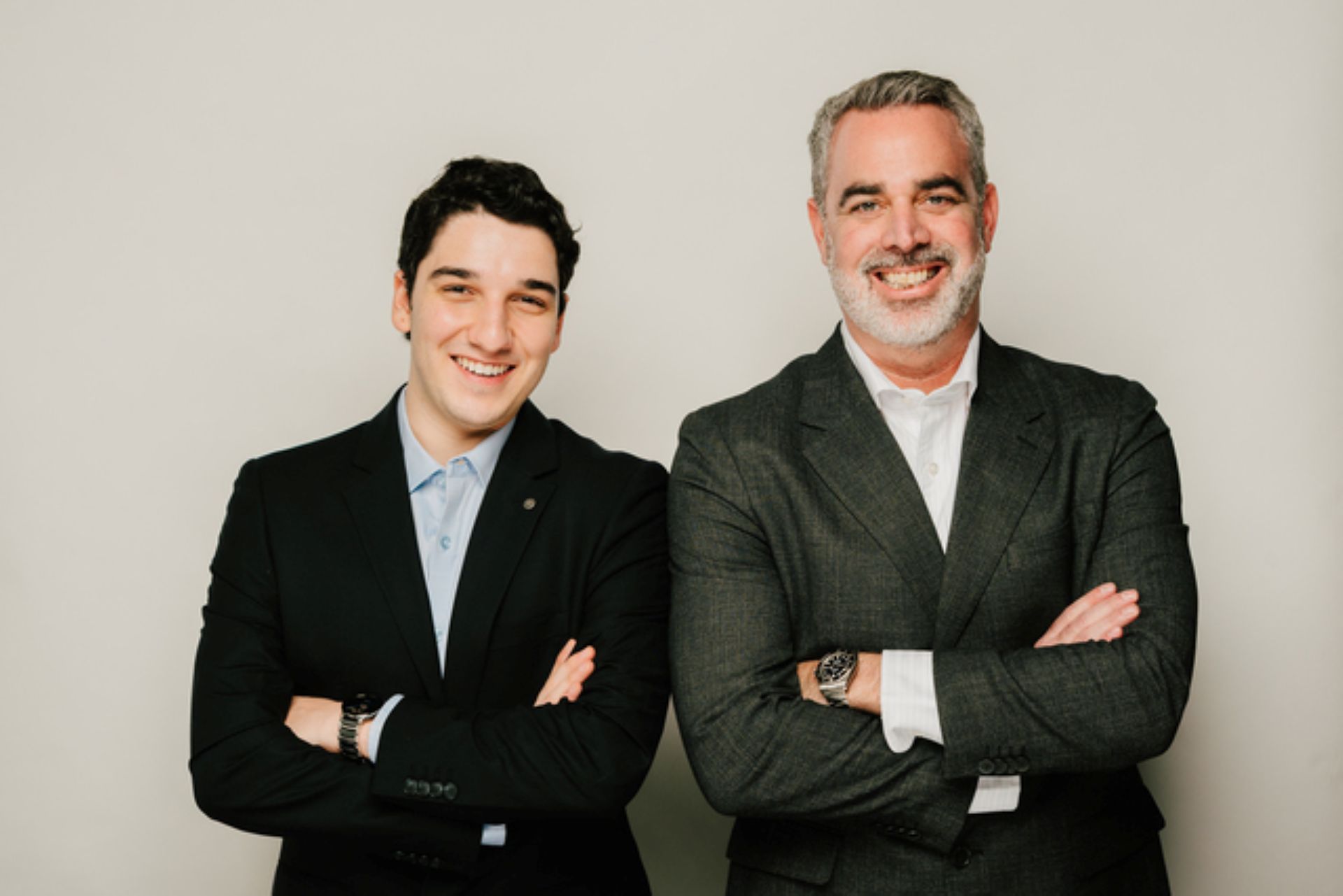
Joseph Gertz, co-founder and chief executive officer at Zeroport, said the company was founded to address what it sees as a structural flaw in remote access technology that has direct implications for regulated industries.
“For 40 years, organisations have been forced to choose between staying offline for security reasons or allowing remote connection through cumbersome and vulnerable legacy systems that even the world’s top cyber agencies struggle to secure,” Gertz said: “We’ve already proven our hardware-based approach can save enterprises millions while securing their most critical assets.”
The company says the technology is already being used to support secure remote access in environments where VPNs are considered too risky, including industrial and regulated settings. One systems integrator reported eliminating $5 million in annual travel costs by enabling remote monitoring and maintenance that had previously required on-site access.
Such use cases are increasingly relevant to pharmaceutical manufacturing, where equipment vendors, engineers and quality teams often require remote visibility into production systems but face strict controls on network access. Similar challenges exist in clinical trial operations, particularly for remote site monitoring and data review.
Yaniv Golan, managing partner at lool ventures, said the firm’s investment thesis was driven by the limitations of IP-based security models.
“When we screened the cybersecurity landscape, we identified that every remote access solution’s fatal flaw is its IP-based architecture, making networks inherently vulnerable,” Golan said: “Zeroport’s validation from Fortune 500 CISOs and immediate adoption by critical infrastructure providers show there is demand for a fundamentally different approach.”
Zeroport has also participated in Singapore’s CyberBoost Catalyse programme and is backed by CyberFuture, a venture fund comprising chief information security officers from large enterprises, including Siemens Energy.
As pharmaceutical companies continue to digitalise manufacturing and trial operations, cybersecurity tools that align with regulatory expectations and operational realities are becoming a prerequisite rather than a nice-to-have. Zeroport’s funding comes as life sciences organisations reassess whether existing remote access models are fit for purpose in highly regulated environments.