
Rare Disease Day 2026: Er-Kim pushes to close access gap in underserved markets
As Rare Disease Day 2026 highlights the challenges faced by more than 300 million people worldwide, Er-Kim is calling for urgent action to close the treatment access gap across underserved regions in Europe, the Middle East and Africa (EMEA).
For many rare disease patients, the time between a therapy’s approval in major markets and its availability locally can mean years without treatment. In some cases, that delay can have life-limiting consequences. While innovation in ultra-rare and genetic conditions has accelerated in recent years, equitable global access remains uneven — particularly in late-stage and emerging markets.
Against this backdrop, Er-Kim says its mission is to ensure geography no longer determines a patient’s chances of receiving life-changing therapy. Through early access programmes, managed access programmes and named patient programmes, the company works to bridge regulatory and logistical gaps that can otherwise leave patients waiting.
Below, Cem Zorlular, CEO of Er-Kim outlines how it is improving awareness, diagnosis and treatment access for rare disease communities, and the initiatives it is most proud of as Rare Disease Day 2026 puts a spotlight on equity in global healthcare.
How is your company helping improve awareness, diagnosis, or treatment access for rare diseases?
Er-Kim is dedicated to closing the critical access gap for rare disease patients in underserved and 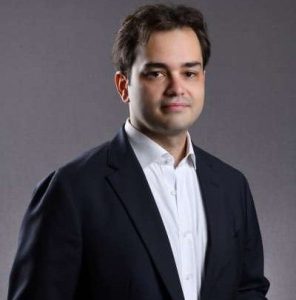 developing regions across Europe, the Middle East, and Africa (EMEA). We recognize that for these patients, the time between a therapy’s global approval and its local availability is not just a delay—it is life-altering.
We actively work to harmonize access by implementing innovative pathways, including Early Access Programs (EAPs), Managed Access Programs (MAPs), and Named Patient Programs (NPPs). By investing heavily in local infrastructure and solving complex supply chain hurdles, we ensure that life-saving medicines reach the people who need them. Furthermore, we leverage global initiatives like Rare Disease Day to amplify the patient voice for timely access to treatments.
We believe that fixing a broken system requires changing the perception of late-stage markets. Er-Kim demonstrates to biotech companies that prioritizing global access is not only a moral imperative but also a profitable and streamlined endeavor. By proving the business case for these regions, we encourage partners to launch therapies concurrently with major markets like the US, rather than as an afterthought.
Our ultimate goal is to transform the pharmaceutical landscape so that geography no longer determines the quality of medical care. By making global commercialization easier and profitable, we ensure that innovation is prioritized for every patient, regardless of where they live.
What new initiatives or partnerships are you most proud of that directly support rare disease communities?
Er-Kim is particularly proud of our recent strategic expansions that bring first-in-class therapies to some of the most underserved and ultra-rare patient populations in the world. By focusing on therapeutic areas with significant unmet needs, we have transitioned from being a commercialization partner to a vital lifeline for communities that previously had no treatment options.
We are especially proud of our work in the following rare disease areas:
Ultra-rare genetic conditions: We have secured agreements to provide life-extending treatments for patients with MoCD Type A and Progeria across 33 countries. For these children and their families, local access to these therapies represents the difference between a tragic prognosis and the chance for a longer, healthier life.
Metabolic and endocrine disorders: Our initiatives now extend to patients suffering from MCT8 deficiency, achondroplasia, and hypoparathyroidism. By bridging the gap for these debilitating conditions, we are helping to redefine the standard of endocrine care across Eurasian markets.
Rare oncology and dermatology: We are aggressively expanding our footprint in rare cancers and skin disorders, including uveal melanoma, Cutaneous T-cell Lymphoma (CTCL), and epidermolysis bullosa.
These partnerships are more than commercial agreements; they are a commitment to ensure that rare does not mean forgotten. By managing the complexities of market access for such a diverse range of indications—from metabolic disorders to rare oncology—we are proving that a sustainable, patient-centric model can thrive even in the most challenging geographies.