Claris Bio raises $118 million to advance potential first drug treatment for LSCD
Claris Biotherapeutics has raised $118 million in a Series B financing to advance CSB-001 towards pivotal studies for limbal stem cell deficiency, following positive proof-of-concept clinical data.
The biotechnology company plans to begin two pivotal studies evaluating CSB-001 in patients with LSCD during the first half of 2027, with the programme funded through pivotal development and pre-commercialisation activities.
The financing was co-led by Samsara Biocapital and Catalio Capital Management, with participation from Adage Capital Management, Sofinnova Investments, Aisling Capital and ADAR1 Capital Management.
Existing investors Novo Holdings, Janus Henderson Investors and Mass General Brigham Ventures also continued their support.
Claris said the funding will support completion of its ongoing clinical work, including a 63-patient proof-of-concept study of CSB-001 and a non-interventional natural history study of LSCD.
The company expects to report results from the proof-of-concept study during the second half of 2026.
Claris plans pivotal LSCD studies for 2027
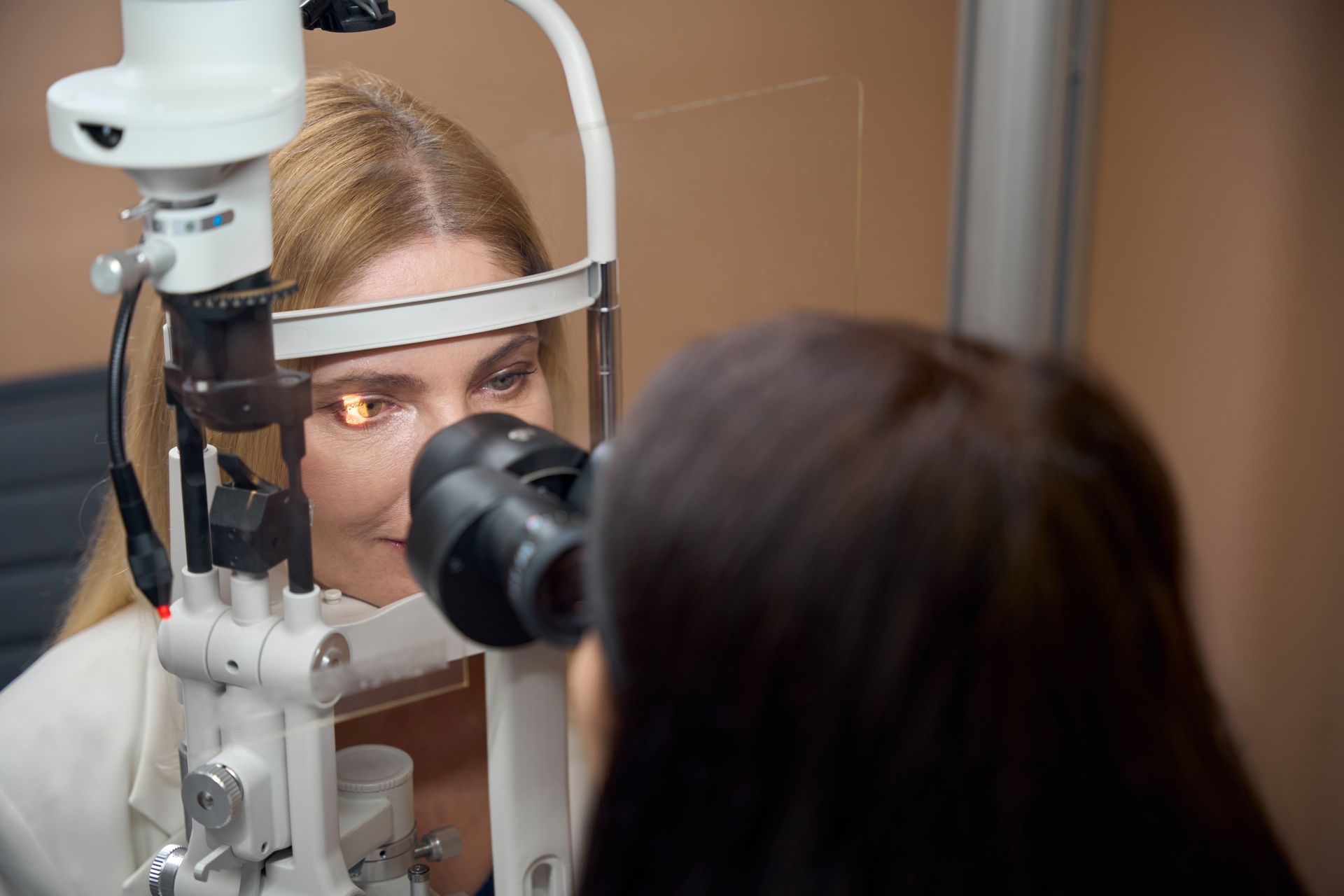
Limbal stem cell deficiency is a rare eye disease in which damage to the stem cells responsible for maintaining and repairing the corneal surface can lead to severe vision loss or blindness.
There are currently no approved drug treatments specifically for LSCD, with patients instead relying on surgical and other treatment approaches depending on the cause and severity of their disease.
Claris is developing CSB-001, an investigational ophthalmic solution containing recombinant human deleted hepatocyte growth factor (dHGF), as a potential treatment for the condition.
The company said the therapy is designed to promote corneal epithelial regeneration while modulating inflammation and fibrosis, targeting processes involved in LSCD.
Clinical data generated to date have demonstrated substantial improvements in visual acuity among patients treated with CSB-001, according to Claris. Full proof-of-concept results are expected later this year.
The planned pivotal programme will comprise two studies comparing CSB-001 with vehicle in approximately 400 patients with LSCD.
Visual acuity will serve as the primary efficacy endpoint, supported by anatomical endpoints.
Stephen Brady, president and CEO of Claris, said: “The prospect of significantly improving vision with a convenient eye drop is a tremendous advance, and I’m energized by the opportunity to take on a blinding disease like LSCD.”
If successful and subsequently approved, CSB-001 could become the first pharmacological treatment specifically available for patients with LSCD.
Claris estimates that at least 30,000 people with LSCD in the USA are actively being managed by eye care professionals, although the company said the true number is likely to be higher because the condition is underdiagnosed.
$118 million funding supports late-stage development
The Series B financing is intended to take CSB-001 through its planned pivotal development programme and support pre-commercialisation activities.
The company is also conducting a prospective non-interventional study designed to provide information about the natural history of LSCD and how the condition is managed in real-world settings.
The study is also intended to help Claris identify potential clinical trial sites and participants ahead of its planned pivotal programme.
Alongside the financing, Claris announced several changes to its leadership and board.
Brady has been appointed president and CEO, while Brian Baum has joined as chief commercial officer. Marc de Garidel has been appointed chairman of the board.
The company said the appointments are intended to support the next stage of development as CSB-001 moves towards pivotal trials and potential commercialisation.
Brady previously held senior leadership positions at life sciences companies including Tempest Therapeutics and Immune Design, while Baum has commercial experience in ophthalmology, including work supporting the US launch of Oxervate for neurotrophic keratitis.
De Garidel is CEO of Abivax and has previously led companies including CinCor Pharma and Corvidia Therapeutics.
Claris said its founder and former CEO Clarke Atwell will continue to be recognised for his role in building the company and advancing the CSB-001 programme.
The company also added representatives from the new financing investors to its board.
CSB-001 is being developed in collaboration with Kringle Pharma, which is developing oremepermin alfa for non-ophthalmic indications. The companies have a safety-data sharing agreement intended to support the development of the therapy.
The next major milestone for Claris will be the expected proof-of-concept results in the second half of 2026, followed by the planned initiation of pivotal studies in the first half of 2027.