

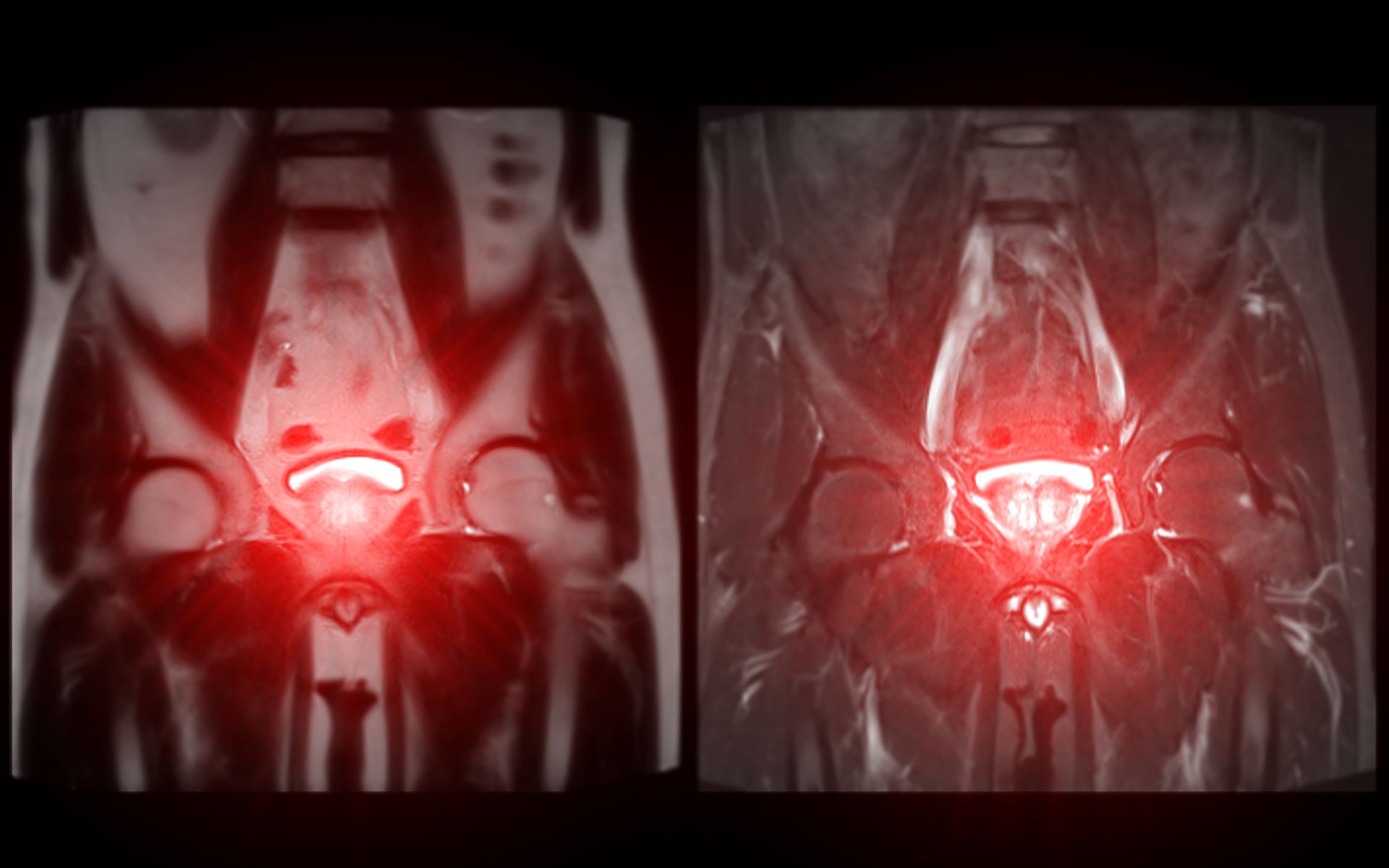
Ten-year NHS study supports focal therapy for prostate cancer with fewer side effects
A 10-year NHS-led study has found that focal therapy can provide long-term cancer control for selected men with prostate cancer while significantly reducing the risk of side effects compared with surgery or radiotherapy.
Researchers from Imperial College London followed almost 3,500 patients for a decade and reported that focal therapy achieved comparable cancer outcomes alongside lower rates of erectile dysfunction, urinary incontinence and rectal complications.
The findings add long-term evidence supporting the treatment and could influence future discussions around its use within the NHS and NICE guidance.
The study was published as separate survey findings suggested many men remain unaware that focal therapy exists before receiving a prostate cancer diagnosis.
Around 64,000 men are diagnosed with prostate cancer in the UK each year, making it the country’s most common cancer in men.
Researchers said focal therapy targets only the cancerous area of the prostate rather than removing or treating the entire gland, helping preserve healthy tissue and reduce treatment-related complications.
According to the Imperial College London study, the treatment delivered low rates of metastatic disease, prostate cancer deaths and recurrence requiring further radical treatment over ten years of follow-up.
Raj Nigam, senior co-author of the study and consultant urologist at The Focal Therapy Clinic, said: “This is a landmark study. Almost 3,500 patients followed over ten years is by far the largest and longest dataset we have had for focal therapy.”
He added: “We have always known the functional outcomes were far superior to those of radical prostatectomy or radiotherapy, but what this adds is robust, long-term cancer control data: an extremely low metastasis rate, vanishingly few deaths from prostate cancer, and low rates of recurrence requiring further radical treatment.”
Nigam said the results also suggest carefully selected patients with higher-risk disease could benefit from focal therapy, potentially increasing the number of men eligible for the treatment.
He said: “Focal therapy itself is already an approved treatment. The real barrier has been that it is not in the NICE guidelines for primary treatment, so the NHS is under no obligation to offer it.”
He added: “NICE’s stated reason was always the lack of ten-year data, and that is exactly what this study now provides.”
Alongside the clinical findings, The Focal Therapy Clinic surveyed prostate cancer patients about their treatment experiences and awareness of available options.
The survey found that 93% of respondents had not heard of focal therapy before diagnosis, while only 5% said it had been offered as a treatment option during their initial consultation.
It also highlighted concerns surrounding treatment side effects, with 84% of respondents saying they worried about erectile dysfunction before treatment and 82% expressing concerns about the impact on their sex life.
More than half reported concerns about their mental health following diagnosis.
The survey also suggested many patients had limited knowledge of prostate cancer before diagnosis, with almost half unaware that the disease can develop without symptoms.
Routine NHS access to focal therapy is currently limited to a small number of specialist centres in England.
Nigam said many patients continue to discover the treatment independently.
He said: “What the The Focal Therapy Clinic’s data points to, and what consistently frustrates me in the doctors office, is how many patients tell me, ‘why did I have to find you myself?'”
He added: “This study will hopefully permit equity of access to patients alongside the radical treatment options.”


