Lonza acquires Nona blood-brain barrier technology for CNS therapies
Lonza has acquired the rights to Nona Biosciences’ transferrin receptor (TfR1) blood-brain barrier (BBB) technology as part of an expanded strategic collaboration aimed at supporting the development of therapies for central nervous system (CNS) diseases.
The agreement gives Lonza access to Nona’s BBB-crossing technology and allows the company to offer it immediately to developers of CNS therapies. The companies will also continue working together to develop next-generation brain delivery technologies designed to improve the ability of biologic medicines to reach the brain.
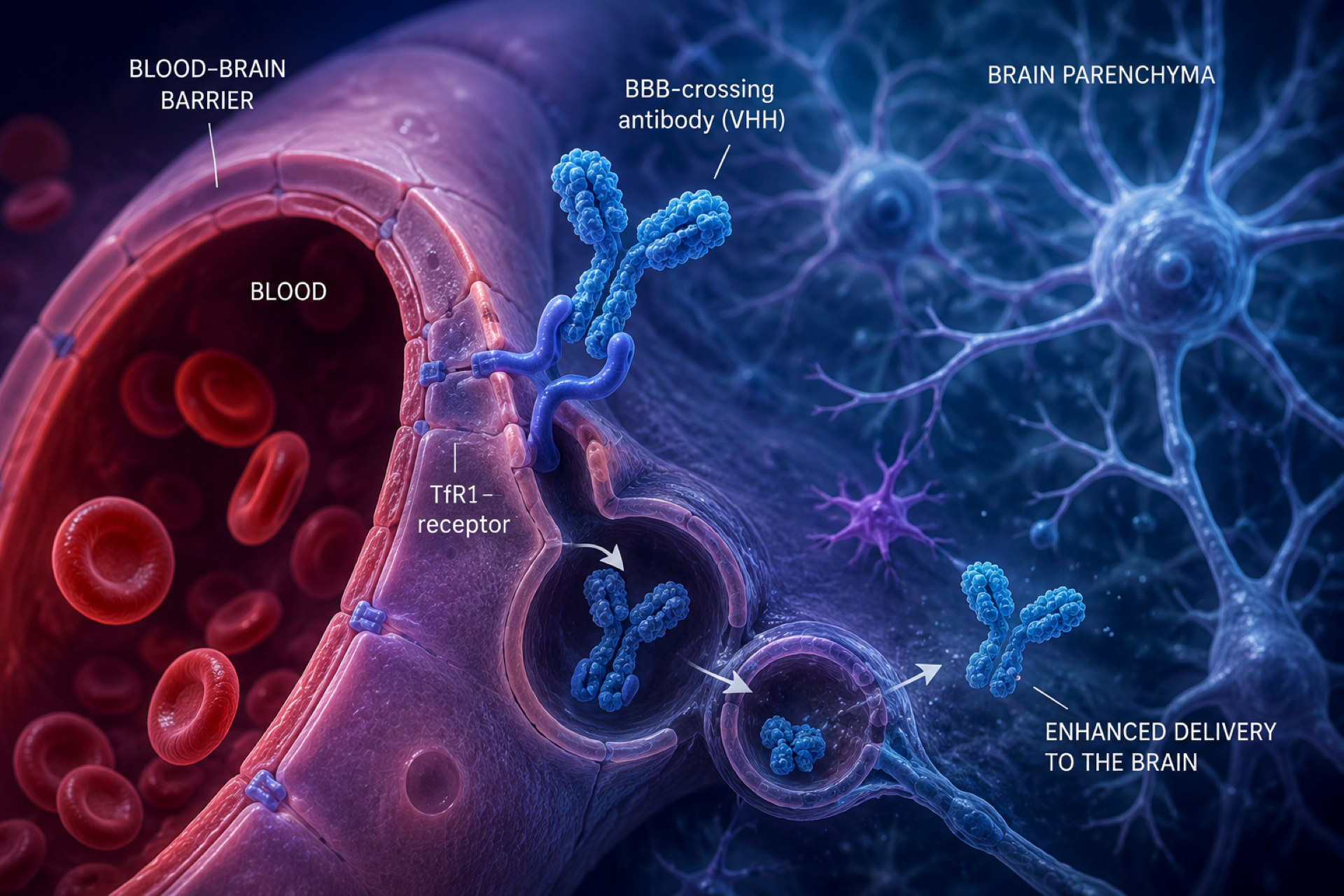
The blood-brain barrier protects the brain by preventing harmful substances from entering the central nervous system, but it also limits the delivery of many medicines. Overcoming this barrier remains one of the biggest challenges in developing treatments for neurological disorders, including Alzheimer’s disease, Parkinson’s disease and other CNS conditions.
Lonza said the acquired technology uses the transferrin receptor (TfR1), which plays a role in transporting iron into the brain, to improve delivery of therapeutic molecules across the blood-brain barrier. The company plans to combine the platform with its existing biologics development and bioconjugation capabilities to support customers developing complex biologic medicines.
Peter Droc, head of licensing at Lonza, said: “With the fully acquired IP rights to Nona’s BBB-crossing technology and through our continued collaboration, we are immediately enabling our customers to translate promising CNS assets into viable therapeutics. By combining this with flexible CDMO services, we allow partners to engage with us at any stage of their journey – from technology licensing to fully integrated development and commercial manufacturing – reducing complexity and helping accelerate the path to patients.”
The companies said the collaboration builds on earlier research that evaluated Nona’s BBB-crossing platform. According to Lonza, preclinical studies demonstrated improved brain delivery using Nona’s TfR1-binding single-domain antibody technology, either as an IgG fusion or combined with Lonza’s bioconjugation platform, when compared with an industry benchmark in a transgenic model.
While the companies did not disclose financial terms of the agreement, Lonza said the acquisition strengthens its portfolio of technologies available to organisations developing biologic therapies for CNS diseases.
Ulrich Osswald, vice president, global innovation at Lonza, said: “The TfR1 BBB technology significantly expands our toolkit to address one of the toughest challenges in modern medicine: delivering biologics to the brain consistently. In vivo results of the binders demonstrated superior brain penetration, increased neuronal uptake, and even more extensive brain parenchyma distribution compared to the industry benchmark. Together with our expertise in antibody engineering and bioconjugation, this creates a powerful approach to support the development of next-generation CNS therapeutics.”
The expanded collaboration also provides a route for the companies to develop future BBB delivery technologies, reflecting continued investment in approaches designed to improve the delivery of biologic medicines to the brain.
As research into neurological diseases continues to accelerate, technologies that enable therapeutic molecules to cross the blood-brain barrier are attracting increasing interest across the pharmaceutical and biotechnology sectors. Companies developing antibody-based therapies and other large biologic molecules continue to seek new approaches that improve brain delivery while maintaining safety and efficacy.