
FDA allows Medicus Pharma to start SkinJect study in patients with Gorlin Syndrome
Medicus Pharma has received FDA clearance to begin a Phase 2b registrational study of its SkinJect microneedle patch in patients with Gorlin Syndrome and multiple basal cell carcinomas.
The FDA has completed its safety review of the company’s Investigational New Drug application for SKNJCT-005 and issued a “Study May Proceed” letter, allowing the NDA-enabling clinical study to begin.
The open-label, multicentre study will evaluate SkinJect 200 mcg in patients with Gorlin Syndrome, also known as Nevoid Basal Cell Carcinoma Syndrome, who develop multiple basal cell carcinomas requiring repeated surgical treatment.
The study is expected to enrol up to 50 patients and is intended to generate efficacy and safety data to support a potential future regulatory submission for SkinJect in the rare disease population.
The FDA’s review also resulted in several changes to the planned study protocol, including a requirement for both clinical and histological clearance to be used in the primary efficacy endpoint.
FDA recommendations strengthen SkinJect clinical study design
Under the amended protocol, all participants will require baseline biopsy confirmation of nodular basal cell carcinoma. Clinical clearance will be assessed in person by investigators alongside histological confirmation, while the definition of a treatment responder will be aligned with the revised composite endpoint.
The protocol also extends patient follow-up from 24 weeks to at least two years, allowing investigators to assess the durability of treatment responses over a longer period.
In its “Study May Proceed” letter, issued on July 23, the FDA also made recommendations relating to pharmacokinetic assessments, analysis of used microneedle arrays, genetic confirmation of Gorlin Syndrome, an independent Data Safety Monitoring Board and statistical methodology.
The agency also recommended the development of a standalone Statistical Analysis Plan and future consideration of randomised, blinded and comparator-controlled study designs intended to support substantial evidence of effectiveness.
Medicus said these additional recommendations were not identified by the FDA as clinical hold issues. The company said it is evaluating the recommendations and intends to submit an amended SKNJCT-005 protocol.
Raza Bokhari, executive chairman and CEO of Medicus Pharma, said: “Receiving FDA clearance to initiate our registrational Gorlin Syndrome study represents a significant regulatory milestone for the SkinJect program.”
He added that the protocol changes would strengthen the efficacy assessments and support longer-term evaluation of treatment durability.
SkinJect targets multiple basal cell carcinomas
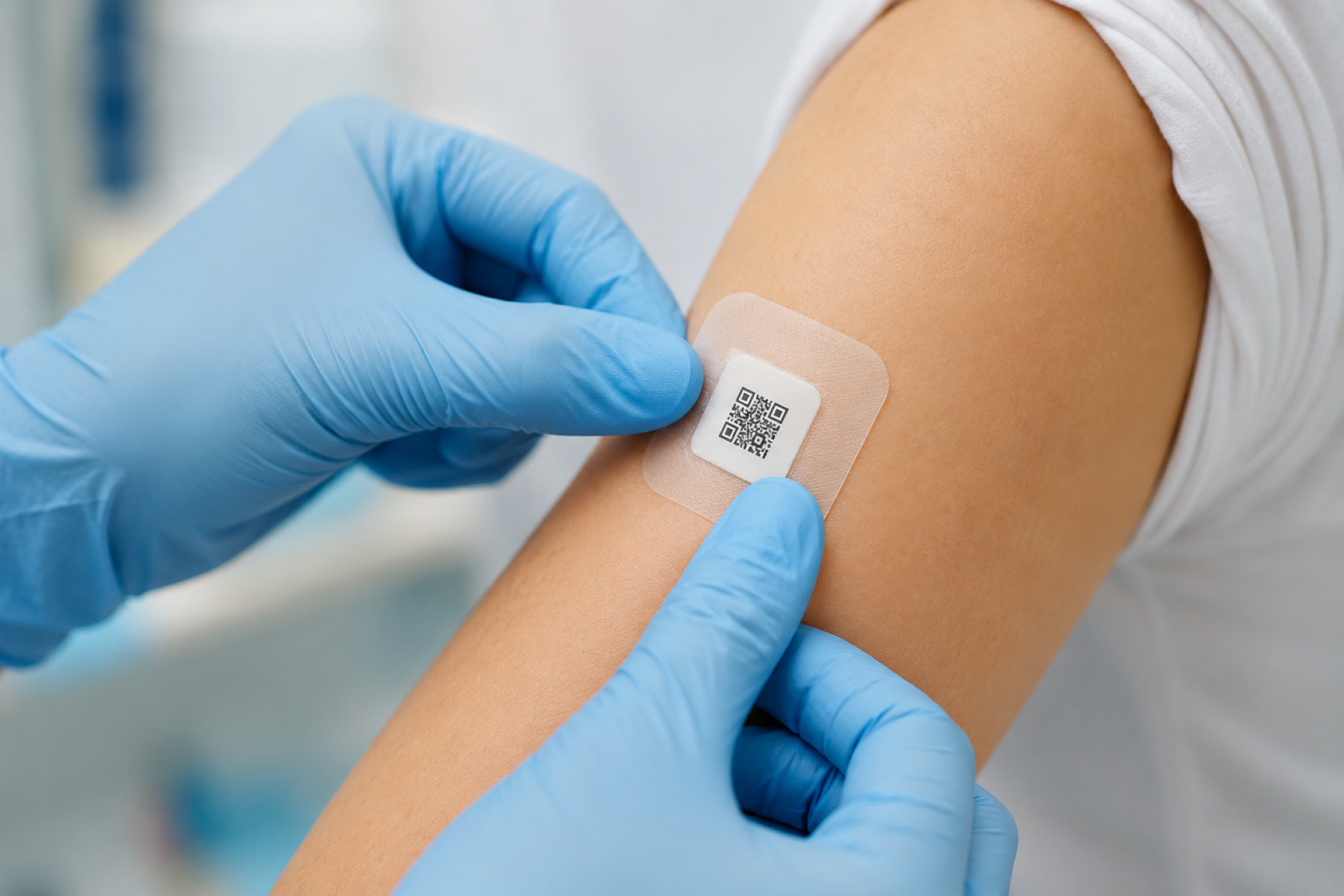
SkinJect is a dissolvable microneedle-array patch designed to deliver doxorubicin directly into basal cell carcinoma lesions, with the aim of providing local treatment while limiting systemic drug exposure.
The technology is being investigated as a lesion-directed treatment for patients with Gorlin Syndrome, a rare genetic disorder associated with the development of multiple basal cell carcinomas.
The condition is caused primarily by mutations affecting the Hedgehog signalling pathway and is characterised by the lifelong development of basal cell carcinomas, often beginning during childhood or early adulthood.
People with Gorlin Syndrome can develop multiple tumours over their lifetimes and may require repeated surgical excisions. The cumulative impact of these procedures can include scarring, functional impairment and psychosocial effects.
According to the protocol cited by Medicus, affected individuals may develop dozens to more than 1,000 basal cell carcinomas during their lifetime. The condition is estimated to affect between one in 30,000 and 60,000 people worldwide.
The company said previous Phase 1 and Phase 2 studies of SkinJect have shown a favourable safety profile and encouraging clinical and histological clearance rates in basal cell carcinoma.
Data from the completed 90-patient SKNJCT-003 study showed clinical clearance in 64% of patients and histological clearance in 55% following three treatments with the 200 mcg dose at Day 57.
The FDA clearance allows Medicus to move forward with the SKNJCT-005 study, with further updates on study initiation and recruitment expected as development progresses.
If successful, the programme could provide a new treatment option for people with Gorlin Syndrome who currently face repeated surgery for multiple basal cell carcinomas. However, the investigational treatment remains in clinical development and its efficacy and safety will need to be established in the registrational study and subsequent regulatory review.