European WiFIX consortium wins €1m Eurostars grant for Nexopore nucleic acid delivery technology
A European consortium has secured a €1m Eurostars grant to develop Nexopore, a wireless electroporation-based delivery technology designed to improve the administration of nucleic acid therapeutics.
The WiFIX project brings together HHC Medical in Denmark, Caszyme in Lithuania and AlveoliX in Switzerland, combining expertise in electroporation systems, CRISPR gene editing tools and organ-on-chip testing platforms. The collaboration aims to address one of the key limitations in gene and nucleic acid therapies: safe and efficient delivery to target cells.
Nucleic acid therapeutics have shown strong clinical promise but continue to face a translational barrier, with delivery challenges contributing to safety issues and trial failures. The consortium said that a significant proportion of recent gene therapy trials using adeno-associated virus (AAV) vectors have reported safety concerns linked to delivery mechanisms.
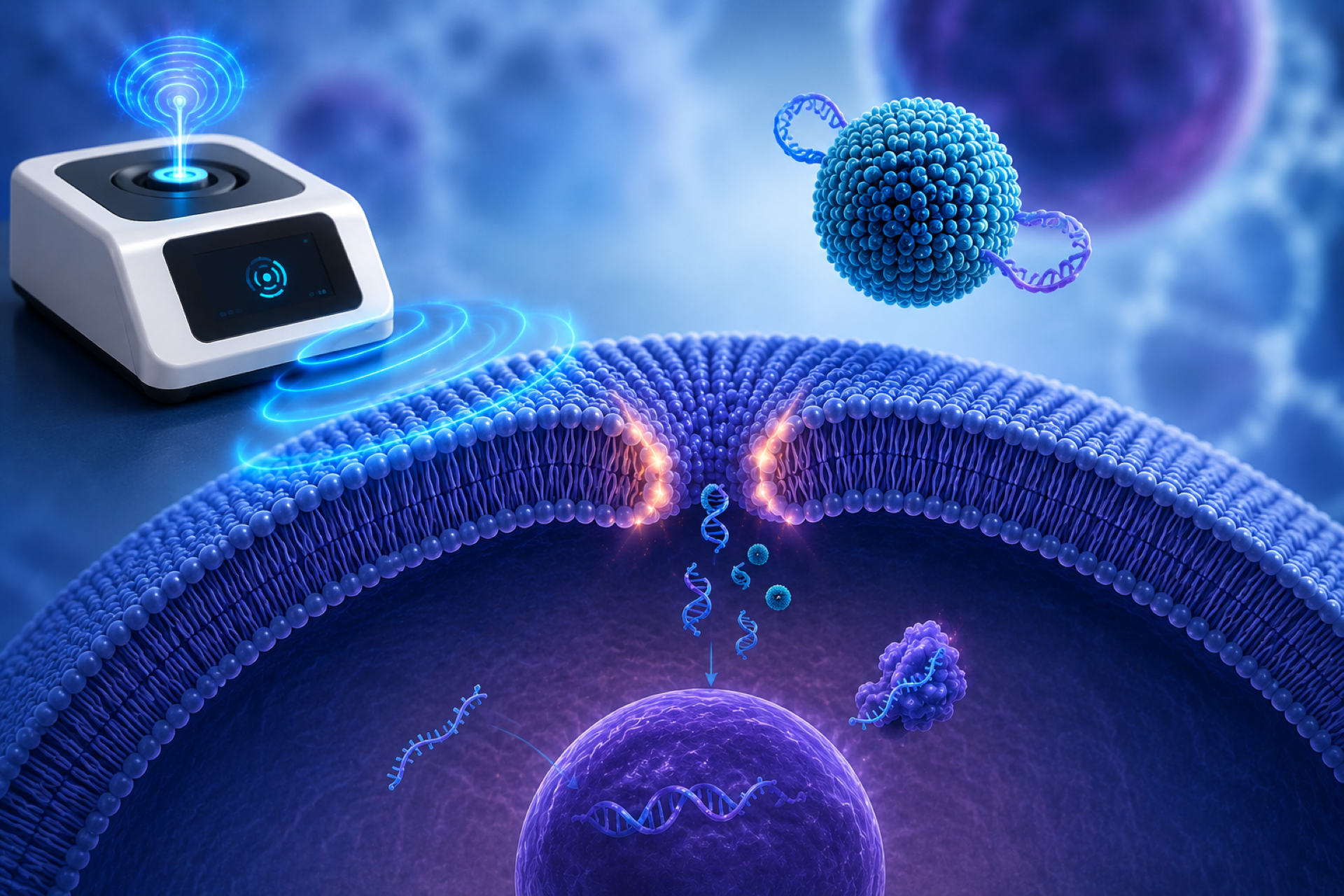
Nexopore is based on wireless radiofrequency electroporation (WEP), a technique that creates temporary pores in cell membranes to enable uptake of therapeutic molecules. The system is designed as a benchtop platform intended for research and translational use, with potential application in CRISPR-based gene editing workflows.
Niels Jerichau Clausen, chief executive officer and co-founder of HHC Medical, said: “For researchers and developers, current tools (viral vectors, LNPs, galvanic electroporation) impose safety, scalability, or functional limits and drive costly transitions from laboratory to clinic. Therefore, we are delighted to receive this Eurostars grant and looking forward to working with our partners to deliver Nexopore. This could improve access to the latest therapies for the 300 million people with genetic disorders.”
Caszyme, which specialises in CRISPR-Cas gene editing technologies, said the approach could improve delivery specificity and reduce immunogenicity risks compared with existing methods. Giedrius Gasiūnas, chief executive officer of Caszyme, said wireless electroporation may help enable in vivo delivery without the need for viral vectors, proprietary buffers or nanoparticles.
He added: “Wireless electroporation provides enhanced delivery specificity and eliminates immunogenicity risks, improving the safety profile of gene therapies. We envision Nexopore changing the therapeutic delivery paradigm by enabling in vivo delivery without the use of proprietary buffers, nanoparticles, or viral vectors. Our task now is to present a fully functional prototype device compatible with CRISPR-Cas cargo delivery.”
AlveoliX will contribute organ-on-chip systems to support preclinical validation and reduce reliance on animal models. Nina Hobi, chief executive officer of AlveoliX, said human-relevant in vitro models are essential for bridging the gap between laboratory research and clinical translation, helping to de-risk gene editing approaches earlier in development.
The WiFIX project is scheduled for completion in March 2028 and aims to deliver a functional prototype of the Nexopore system.