Nordic Life Science Days 2025 opens in Gothenburg with calls for deeper collaboration and global investment
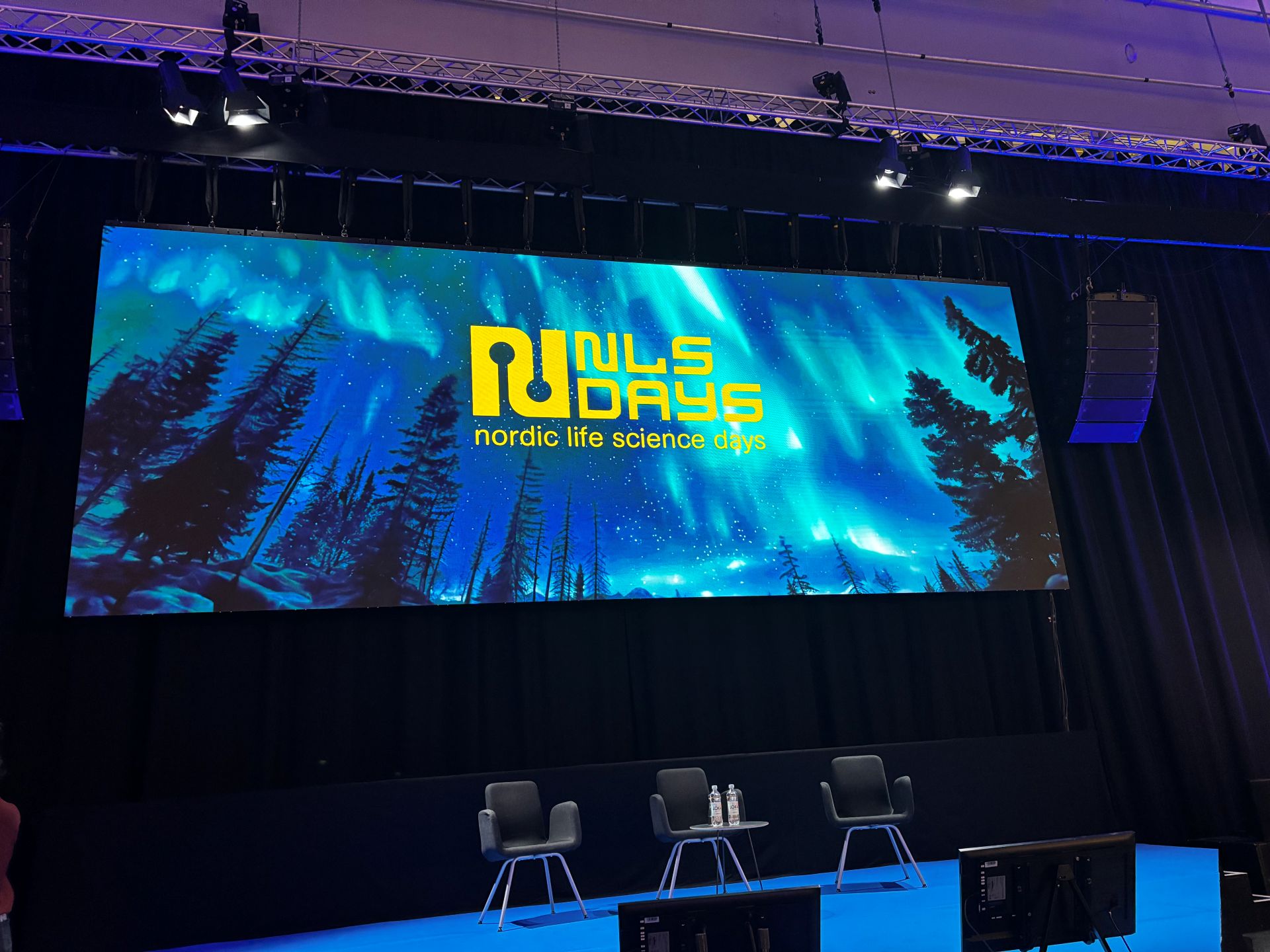
The Nordic Life Science Days 2025 opened today (October 13) in Gothenburg with a clear message from regional and industry leaders: the Nordic region’s life science ecosystem continues to expand, but collaboration and global partnerships will be crucial to sustaining its growth.
Jessica Martinnson, CEO and director general of SwedenBIO, set the tone for the conference, describing the Nordic region as a bridge between innovation and international opportunity.
“The only way forward is more collaboration, not less,” Martinnson said. “Meetings like this serve a real purpose. The life science industry remains the only industry that brings both health and wealth to the world’s economies. The Nordics are open for business.”
This year’s Nordic Life Science Days (NLSDays) gathered more than 1,600 delegates from 32 countries, the largest in its history, according to Marjo Puumalainen, executive director of SwedenBIO and NLSDays. “We also have a record number of national delegations – twelve in total – showcasing the Nordic life science ecosystems,” she said.
Gothenburg takes the stage
For the first time, the event is being hosted in Gothenburg, reflecting its growing importance as a regional innovation hub. The city and its surrounding Västra Götaland region are home to a fast-growing life science sector, anchored by AstraZeneca and supported by a network of smaller biotech, medtech and digital health companies.
Lisbeth Sunden Andersson, deputy lord mayor of Gothenburg, welcomed participants to what she called “a dynamic area, with life science among our strongest industries.”
Helen Eliason, president of the regional executive board for Region Västra Götaland, added that the region’s dual role in delivering healthcare and driving innovation puts it “in a unique position to shape the future of life science.”
She said: “The challenges we face – an ageing population, rising healthcare needs and the demand for sustainable innovation – can only be met through collaboration. Partnerships between public and private sectors are essential to drive innovation, accelerate breakthroughs and improve health.”
Patrik Andersson, CEO of Business Region Gothenburg, described the area as “one of the fastest-growing regions in Europe” and highlighted life sciences as a cornerstone of future growth. “We invite you not only to a conference, but to a region ready to grow with you,” he said.
Nordic strengths on display
In her overview, Puumalainen described the five Nordic countries as “a true innovation hotspot” with distinct strengths across the region. Sweden stands out for its strong universities and investors, Finland for digital health and data integration, Denmark for its global leadership in biologics and metabolic disease, Norway for its oncology and translational research ecosystem, and Iceland for world-leading genetics research.
“What makes this region so powerful is our special culture of trust and collaboration,” Puumalainen said. “But we need to keep working on this and grow together globally.”
The conference programme reflects those priorities, combining partnering meetings, pitching sessions and discussions on topics such as women’s health, CNS, metabolic disease, digitalisation and manufacturing. Global partners including Switzerland, Flanders and Korea are also taking part through dedicated insight sessions.
Nordic pipeline shows strong growth
Data presented by Daniel Chancellor, vice president of thought leadership at Norstella, underscored the momentum of Nordic biopharma innovation. The region’s active drug pipeline has grown at a compound annual rate of 4% over the past decade, reaching almost 1,000 active projects – with Finland showing the fastest growth at 6%.
Chancellor said the Nordics outperform most European peers in pipeline growth, with “84% of all active drugs in the region discovered locally.” He added: “This is unique compared to other European markets, where only about 70% of pipeline assets originate domestically. It highlights how self-sustaining the Nordic innovation engine has become.”
The region’s 300 companies engaged in active drug development place it second only to the UK in Europe, ahead of France, Germany and Switzerland. “There’s a very long tail of smaller developers,” Chancellor said. “Over half are developing just one or two drugs. That depth of capability is both a strength and a safeguard against risk.”
Record licensing activity despite funding slowdown
Norstella’s analysis shows that Nordic companies have been involved in more than USD 60 billion worth of R&D alliances, licensing deals and acquisitions over the past decade. The value of licensing activity so far in 2025 has reached its highest level on record, driven by major out-licensing agreements in Denmark’s obesity and metabolic sectors, including assets from Zealand Pharma and CUPRA to international pharma partners.
However, Chancellor noted a slowdown in venture investment. “Year to date, funding is down about 45%, with roughly a billion dollars raised so far in 2025,” he said. “The private VC market has been particularly tough, though some companies like Bavarian Nordic and AlgoTech have managed to secure financing.” He added that the overall picture remains strong in a longer-term view, following record fundraising years in 2023 and 2024.
A confident outlook
Closing the opening session, Puumalainen urged delegates to use the conference to turn that data into new deals and partnerships. “It’s really nice to see that Nordic life science is still growing – but I think we can do better,” she said. “Go out there and partner. Bring more investments and more licensing deals into the Nordics so we can show even better numbers next year.”
The Swedish drug discovery and development pipeline report was also launched during the event, providing a further benchmark for the country’s research landscape.