
Urine biomarker improves five-year cancer risk prediction
A urinary biomarker profile improved five-year cancer risk prediction in 5,436 adults, potentially helping identify people who could benefit from earlier screening.
Urine biomarkers identify people at higher cancer risk
A urinary biomarker profile combining three glycosaminoglycans (GAGs) with established risk factors improved the prediction of cancer diagnoses over five years in a study involving 5,436 adults.
The research, published in Cancer Epidemiology, Biomarkers & Prevention, found that a pre-specified high-risk group, representing 13–23% of participants depending on the cohort, accounted for 54% of cancers diagnosed during follow-up.
The findings suggest that measuring GAGs in urine could provide additional information about cancer risk beyond established factors such as age and smoking history.
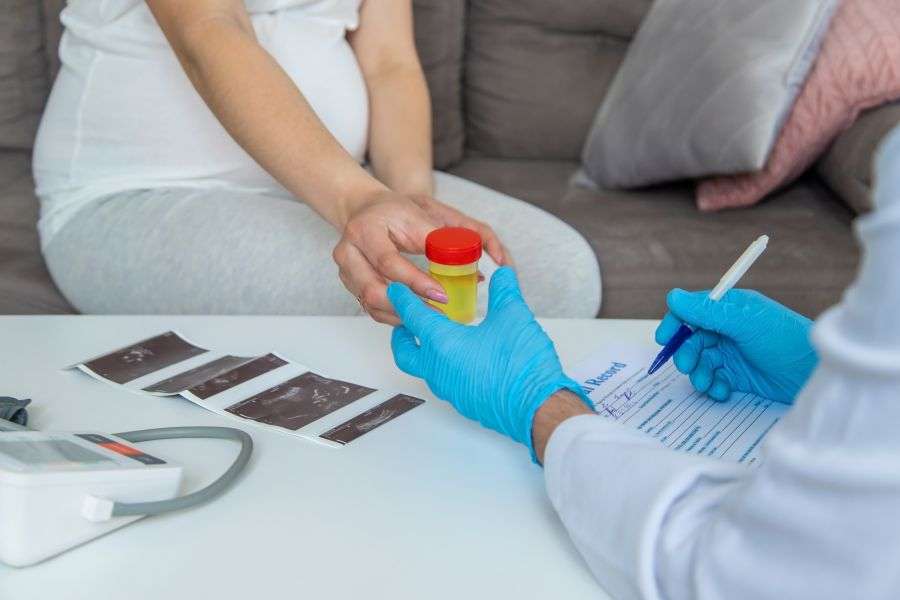
GAGs are long chains of sugar molecules involved in biological processes associated with cancer. Researchers measured three chondroitin sulfate disaccharides in 24-hour urine samples using mass spectrometry to develop a cancer risk score.
When combined with 13 established risk factors, the score helped identify people more likely to receive a cancer diagnosis within five years.
The association between the biomarker score and cancer risk was consistent across disease stages and was at least as strong in adults under 50 as in older participants.
Potential applications in cancers without screening programmes
The biomarker signal was particularly strong for several cancers without established population screening programmes, including pancreatic, kidney and brain cancer, as well as lymphoma.
This could be relevant to multi-cancer early detection strategies, which aim to identify people who may benefit from further investigation across different cancer types.
The study found that each standard deviation increase in the GAG score was associated with a 66% higher hazard of cancer diagnosis.
The corrected concordance index (C-index), a measure of how effectively a model distinguishes between people who experience an outcome and those who do not, was 0.69 for the biomarker score alone. Combining it with established risk factors increased the figure to 0.75.
The observed five-year cancer risk ranged from 0.18% in the lowest-risk group to 7.6% in the high-risk group and 32% in the very-high-risk group.
Elypta CEO Karl Bergman said: “Today we choose who to screen largely by age and smoking history. This peer-reviewed study shows that a biological signal measured in urine adds independent information about who is at higher risk of cancer, including at the earliest stages.”
He added: “It uses just three GAGs, so we see it as a proof of concept for our cancer risk program, which builds on broader GAG panels and also on plasma samples.”
Prospective validation needed before clinical use
The research followed healthy adults from the Lifelines population cohort in the Netherlands. Researchers analysed urine samples from 827 participants diagnosed with cancer within five years and a random sample of 4,609 participants who remained cancer-free.
The results were scaled to estimate risk across a cohort of 124,436 adults. Cancer diagnoses were confirmed through the Dutch Cancer Registry.
Researchers from Lund University, the University of Liverpool, Dana-Farber Cancer Institute and Elypta conducted the study, which was sponsored by the Swedish diagnostic company.
John Field, professor of molecular oncology at the University of Liverpool and a co-author of the study, said: “The association was independent of established risk factors and consistent across cancer stages, which makes this dynamic biological marker worth testing prospectively.”
However, the study was retrospective and included mainly participants of European ancestry. Independent prospective validation will therefore be necessary before the biomarker can be considered for clinical use.
Elypta is extending the research to broader panels containing up to 11 GAGs and investigating their use in plasma samples. The company also plans to validate the findings in additional cohorts.
The GAGome risk score remains a research tool and is not available for clinical use.